| Address: | Ajanta Caves Sub-Circle Archaeological Survey of India (ASI), Caves, Fardapur, Chhatrapati Sambhajinagar (Aurangabad) District, Maharashtra, Pincode: 431118 |
|---|---|
| How to go: | Ajanta Caves can be reached mainly via Jalgaon Junction (around 60–78 km) or Aurangabad Railway Station (around 100 km), both well connected to major cities like Mumbai, Delhi, Kolkata, and Hyderabad through trains such as Gitanjali Express and other long-distance services. From Jalgaon Junction, MSRTC buses and private taxis are available from Jalgaon Bus Stand to Ajanta, taking approximately 1.5 to 2 hours to reach the site. From Aurangabad Railway Station, you can travel from Aurangabad Central Bus Stand (CBS) via regular state transport buses or hire a cab, with a travel time of around 2 to 3 hours. For a more comfortable journey, hiring a private car is the best option from both Aurangabad and Jalgaon, especially for a day trip, and these can be easily arranged through hotels in both cities. From Aurangabad, a private cab typically costs around ₹3000 for a round trip including pick-up and drop, making it a convenient and flexible choice for travelers. If traveling by road, Ajanta is about 100 km from Aurangabad and can be reached via highway routes in roughly 2 hours, while from Mumbai it takes around 8 to 9 hours by car. All buses and private vehicles stop at the Ajanta parking area, from where government shuttle buses operate for the final 4 km stretch to the caves, as private vehicles are not allowed near the site. |
| Pros: | Facilities like porter and doli services are available for elderly and physically challenged visitors, making it easier for them to explore the site comfortably. The overall campus is well maintained and clean, creating a pleasant experience for visitors throughout the visit. Security inside the caves is quite strict, which plays an important role in protecting and preserving the ancient paintings and carvings. The shuttle bus service from the parking area is frequent and well organized, ensuring smooth and hassle-free movement of visitors to and from the caves. |
| Cons: | Plastic bottle must not be used inside the premises, a little more arrangement for drinking water and toilet. Now it is there nearby cave 8 only. |
| What to visit ? | Ajanta cave |
| Company: | Solo, family, friends |
| Minimum day/time to visit: | 1 full day |
| Locality: | Rural |
| Expenses: | The entry ticket for Ajanta Caves is ₹40 per person for Indian citizens and ₹600 per person for foreign tourists, as per the standard ASI pricing. From the parking area, visitors must take a government-operated shuttle bus to reach the caves, as private vehicles are not allowed beyond this point. The shuttle bus costs around ₹20 per person for one way, making it approximately ₹40 for a round trip to and from the caves. |
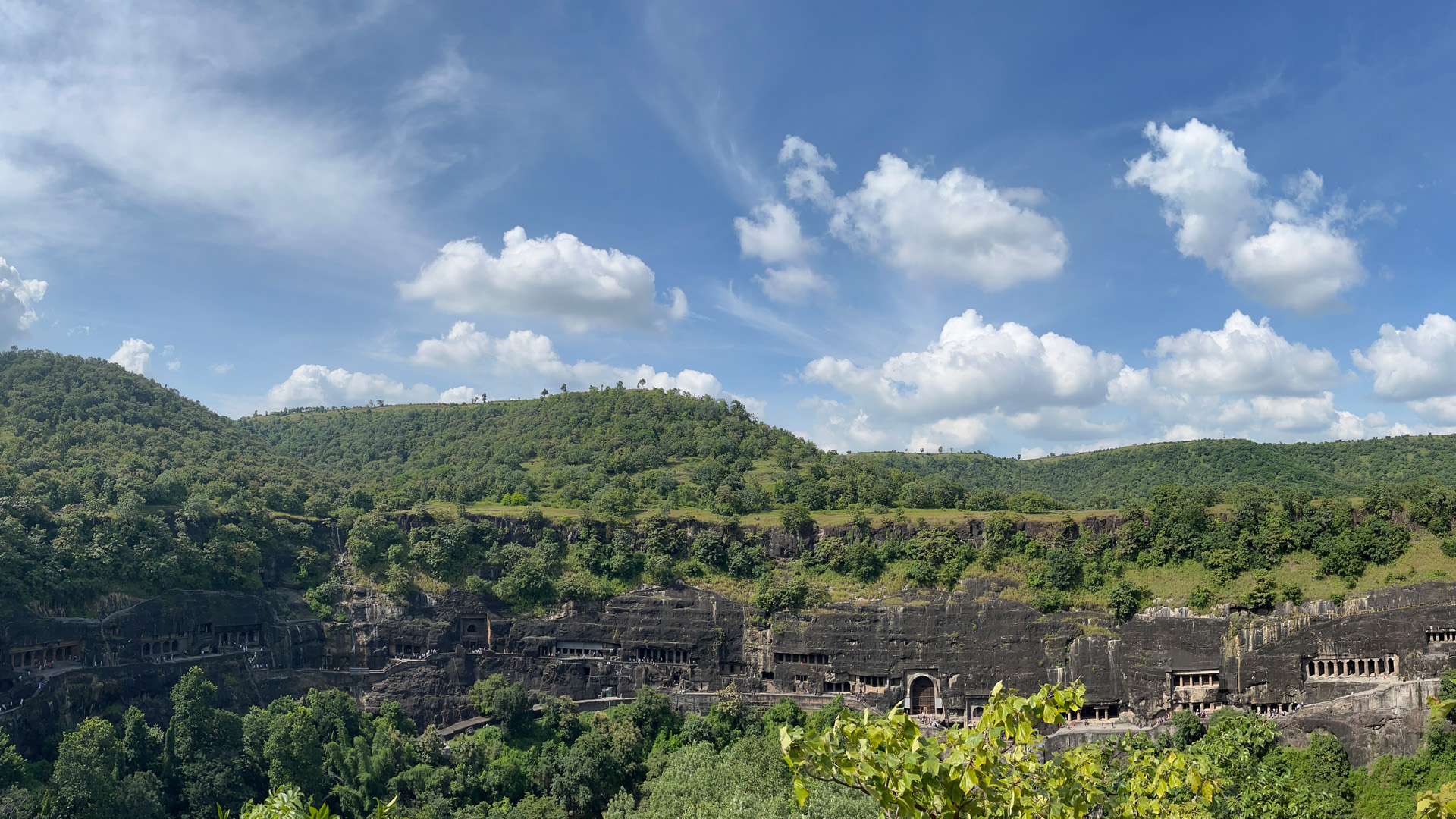
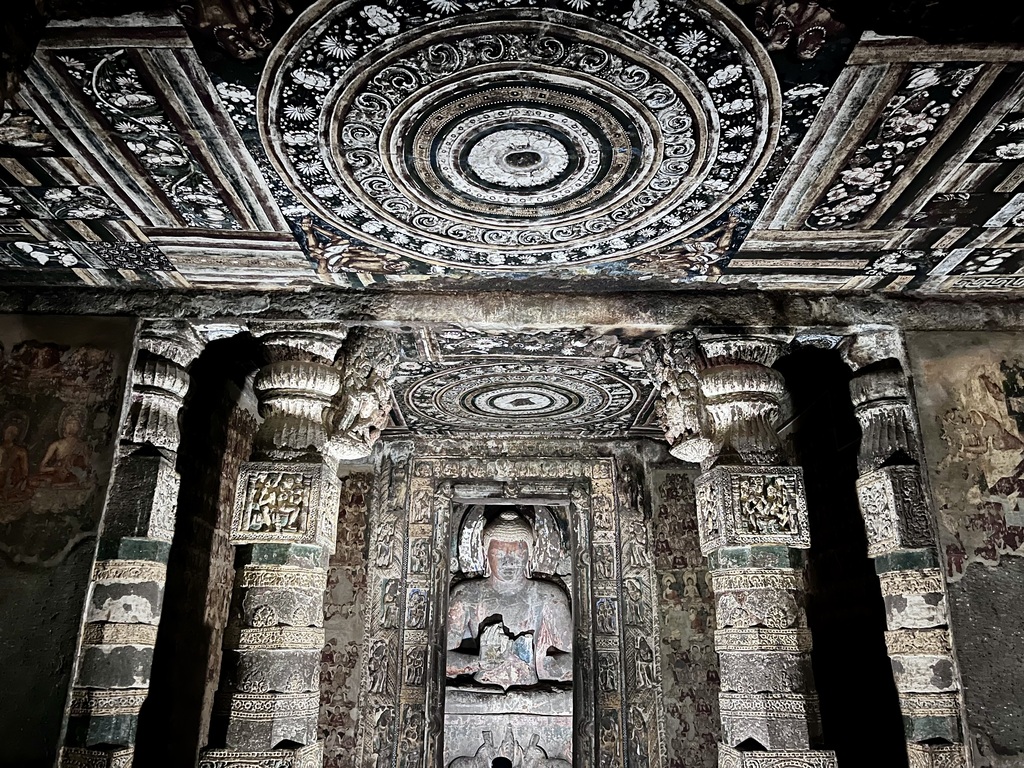
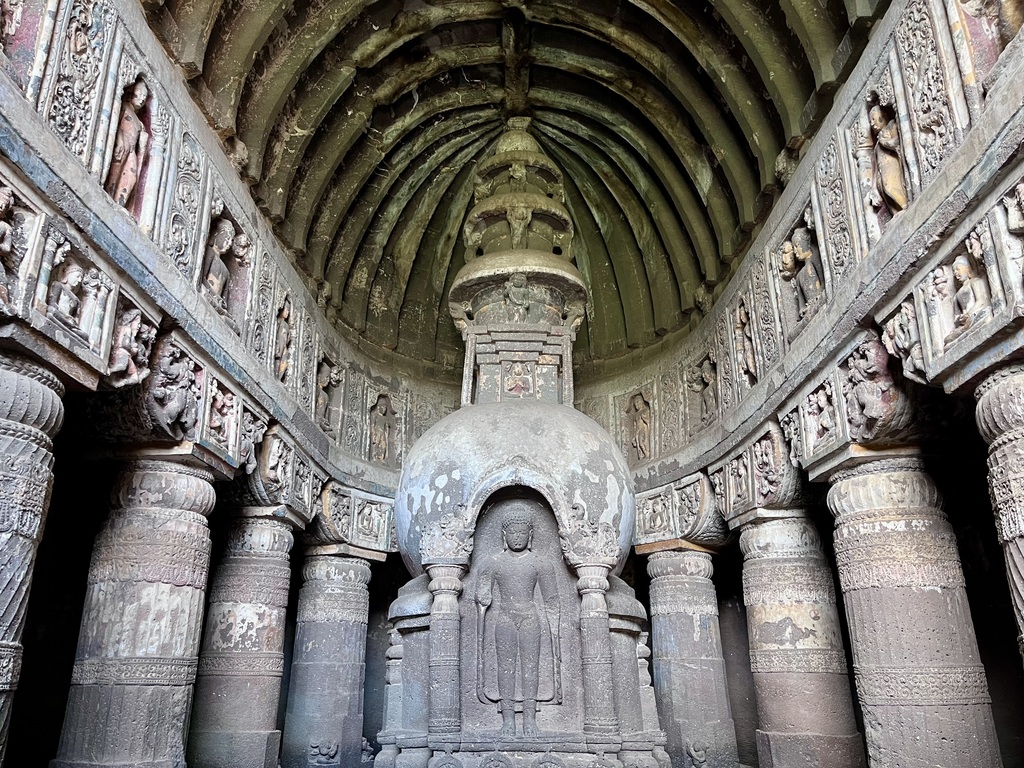
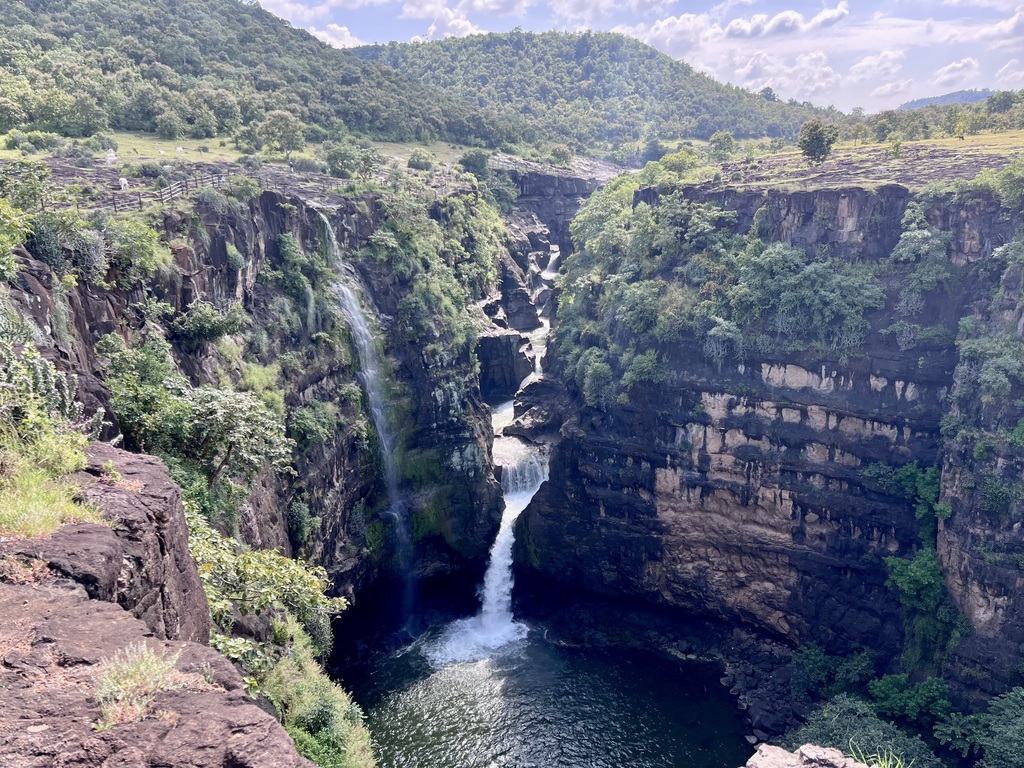
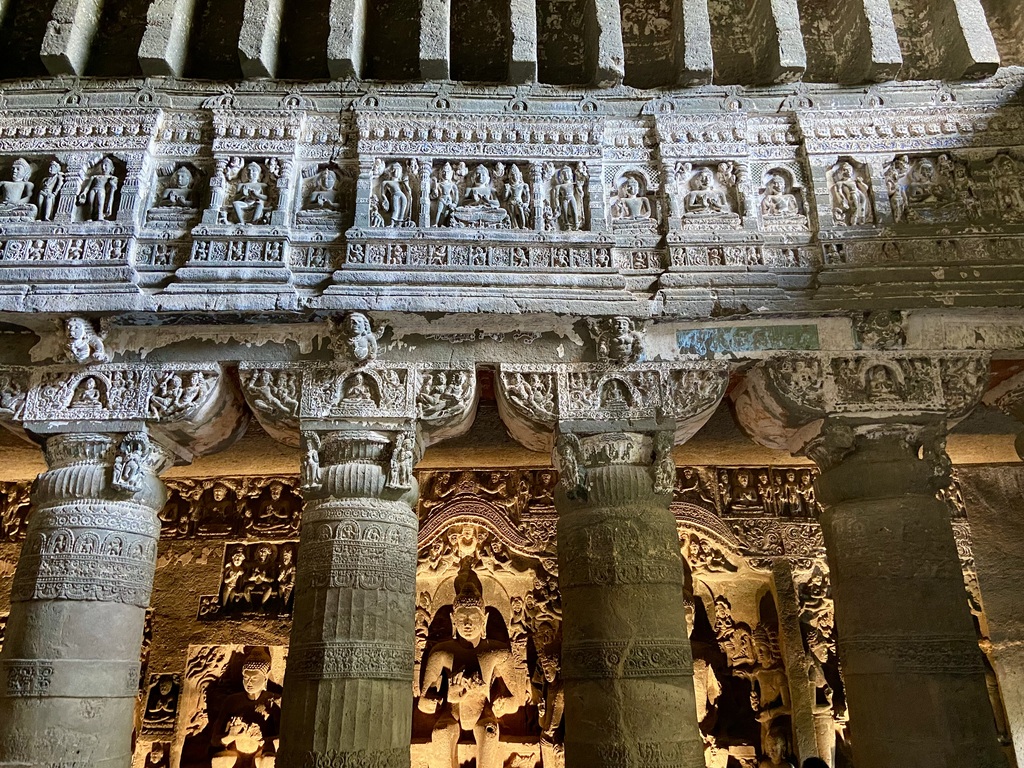
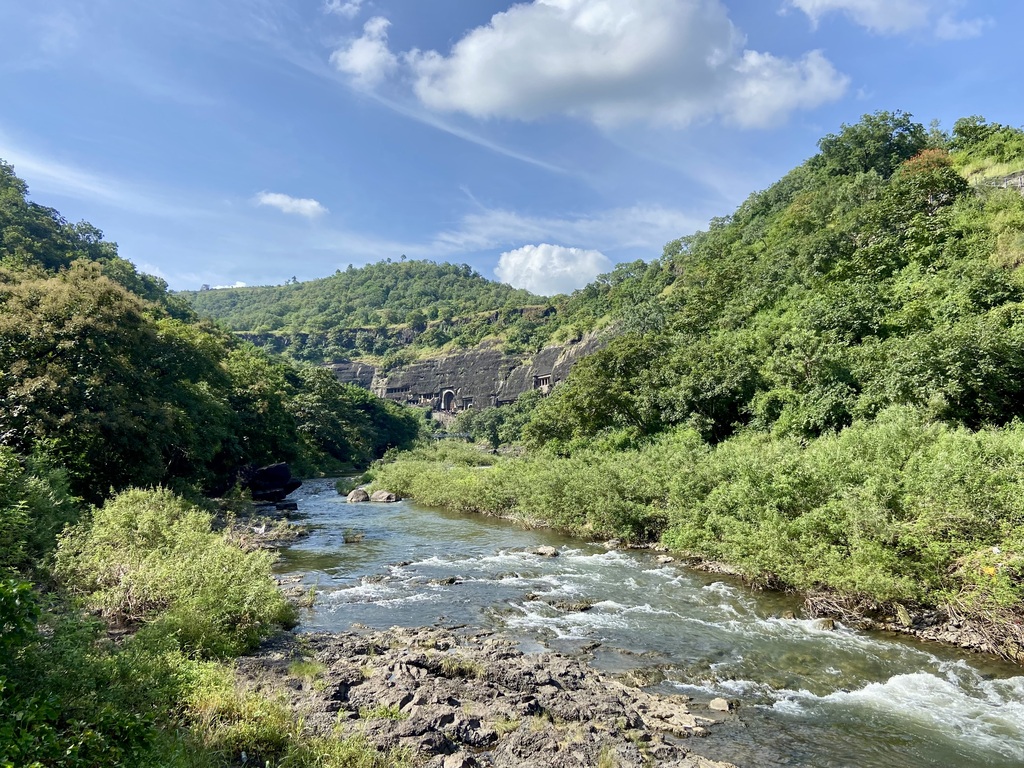
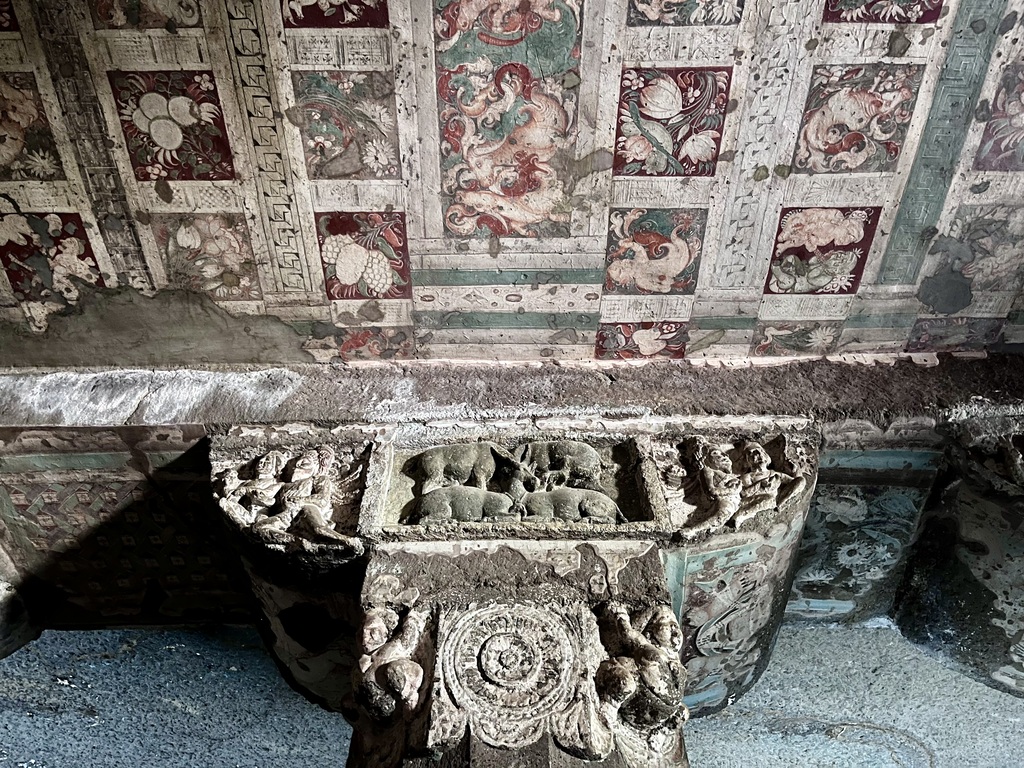
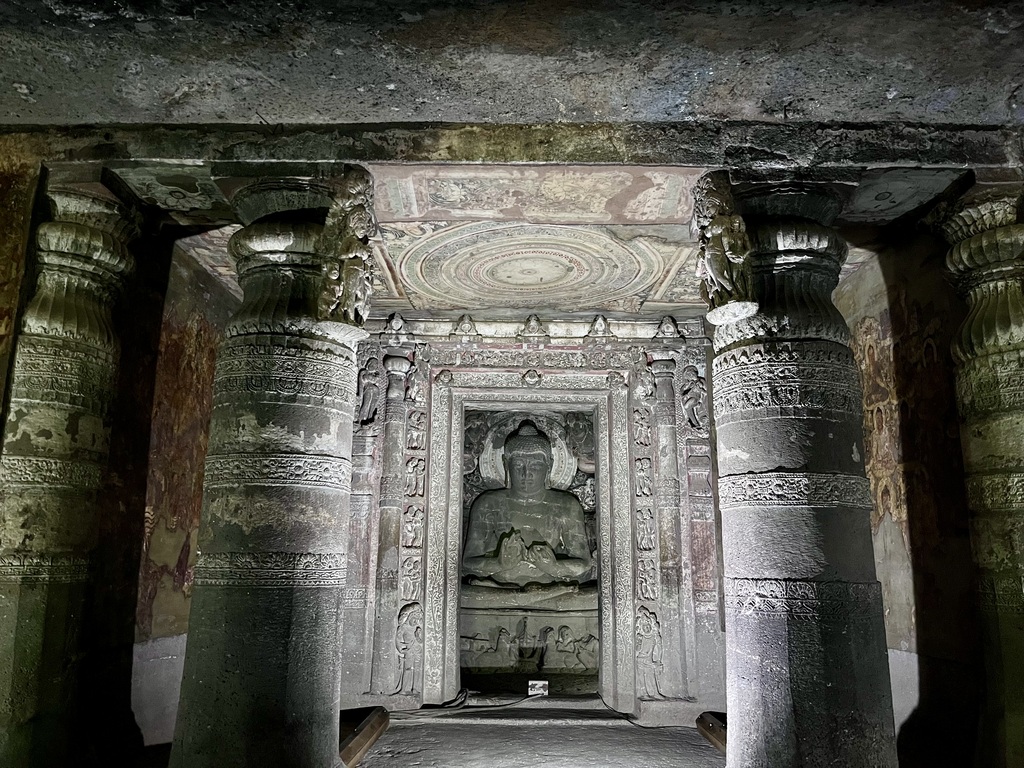
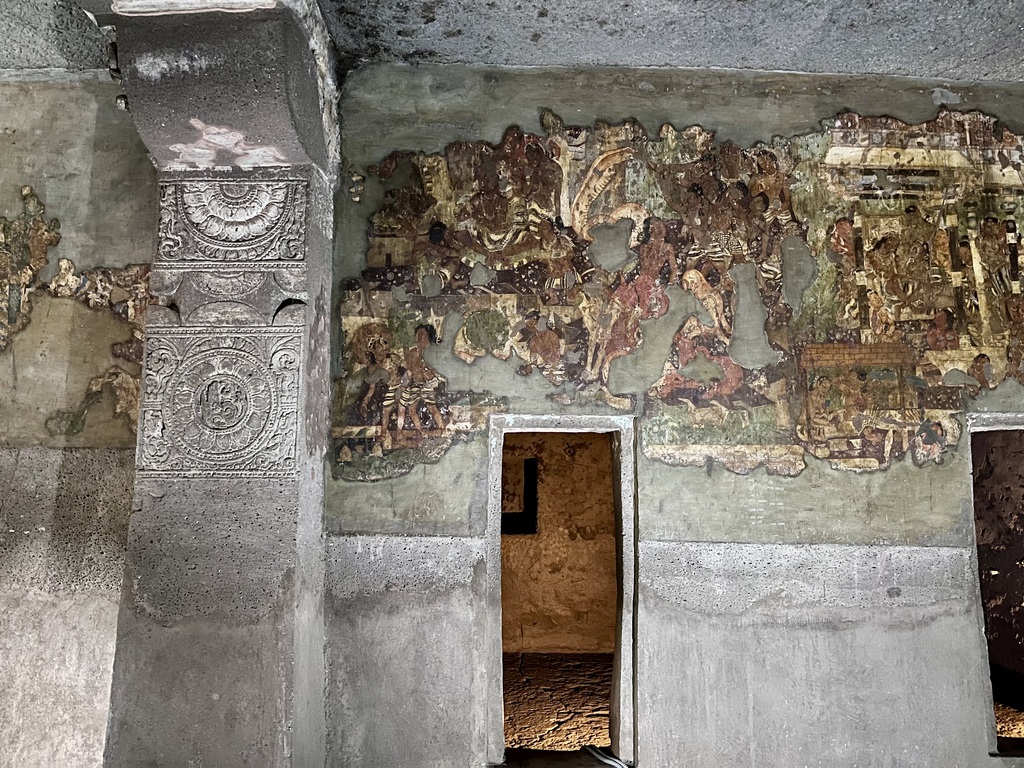
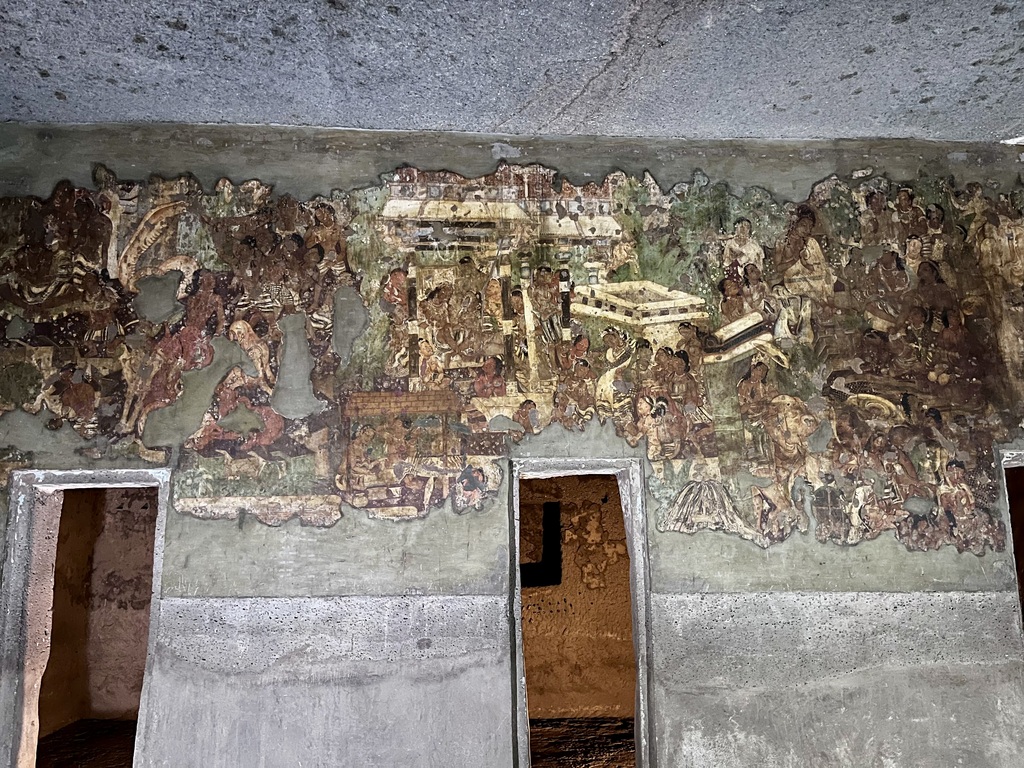
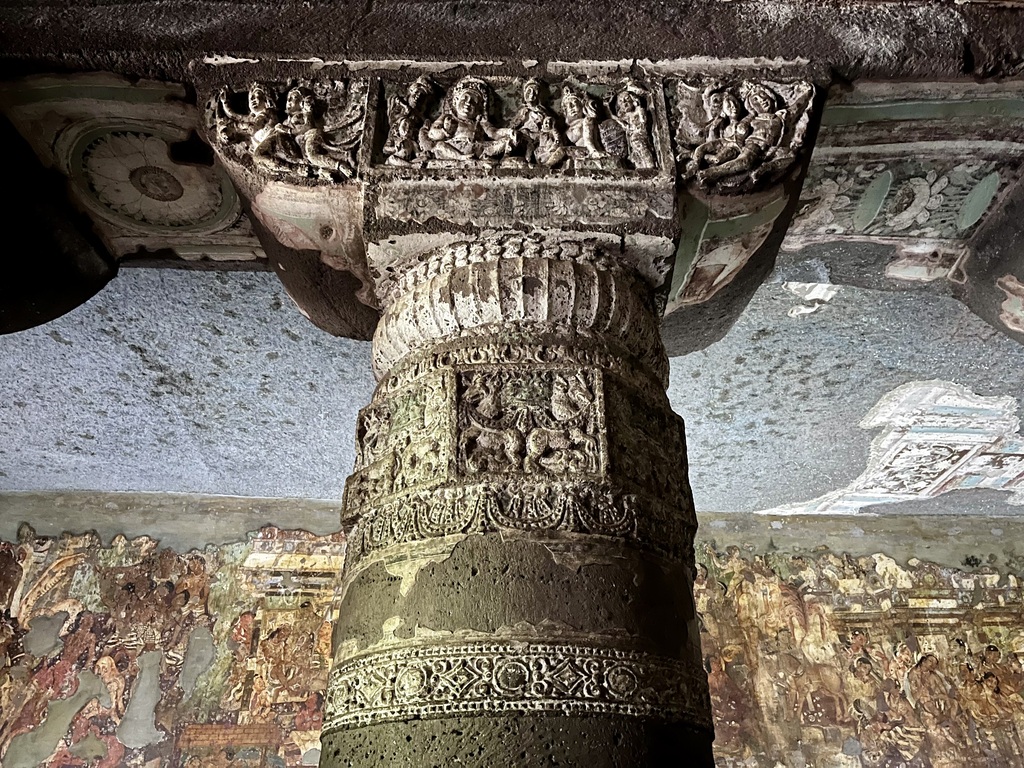
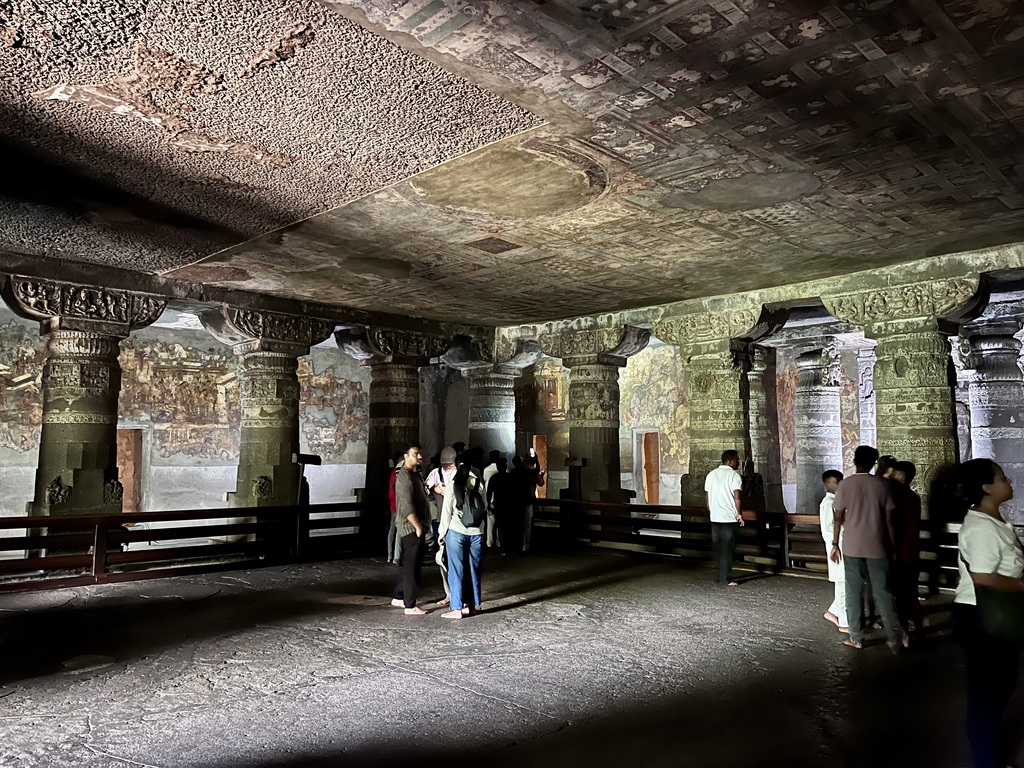
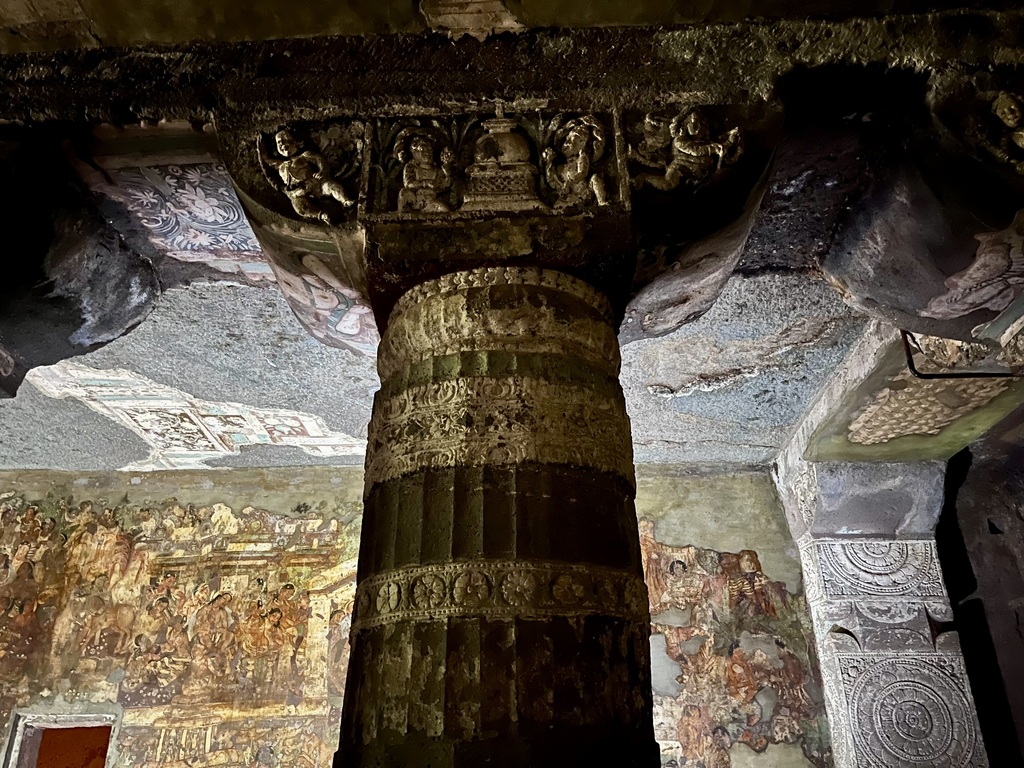
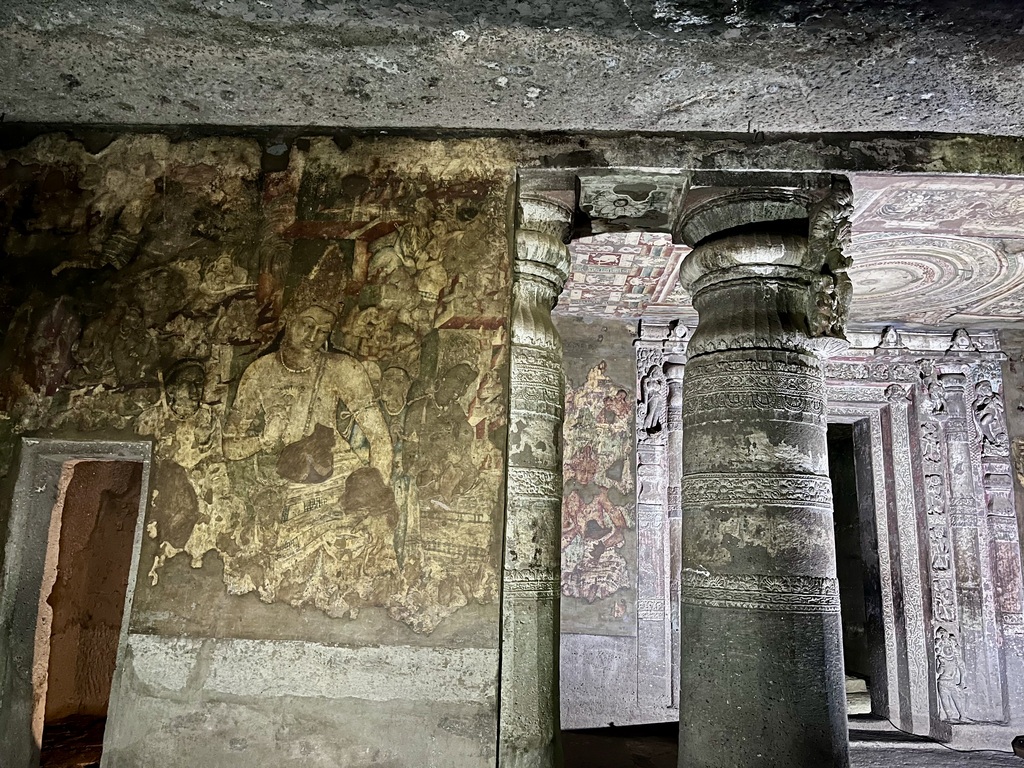
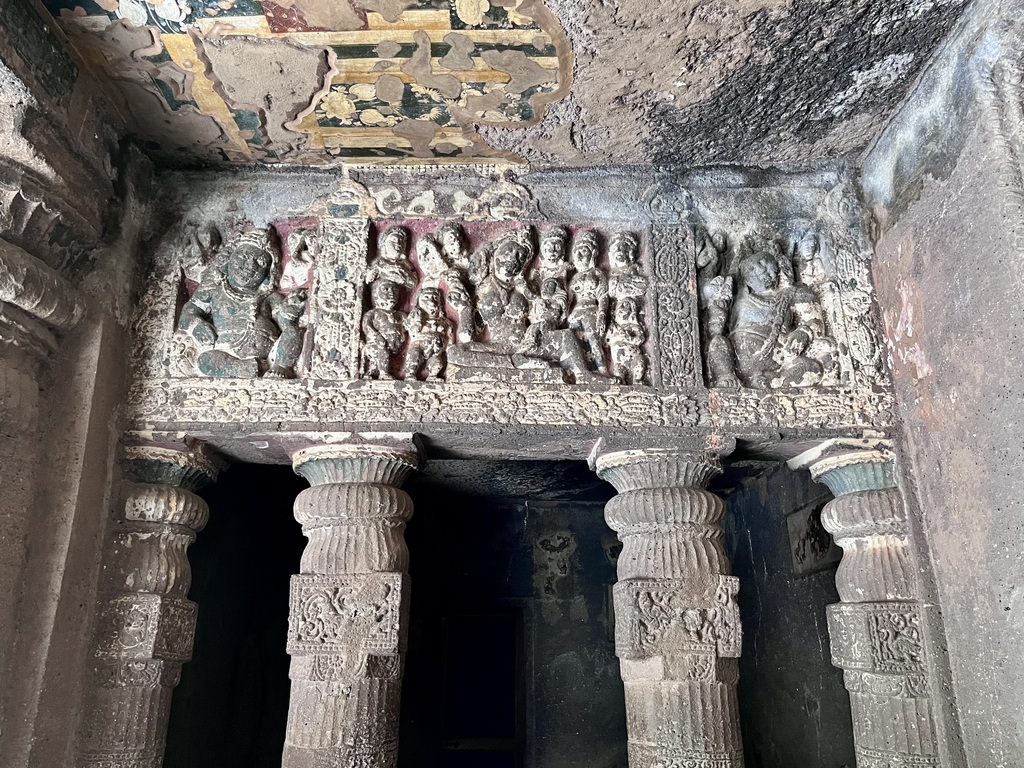
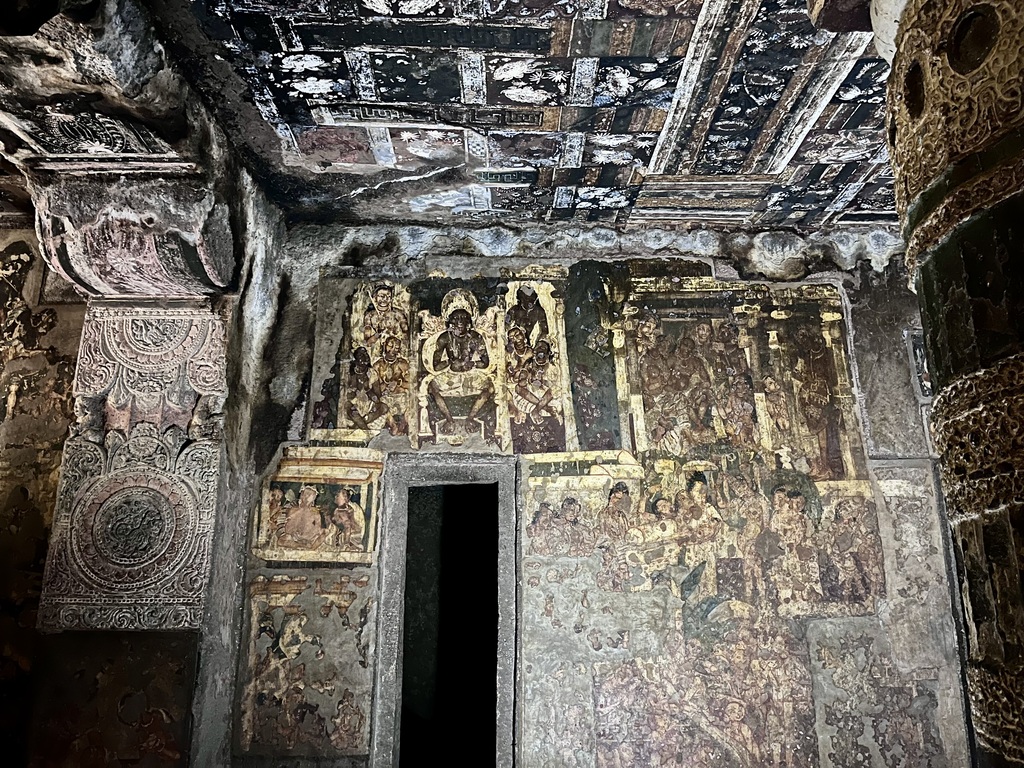
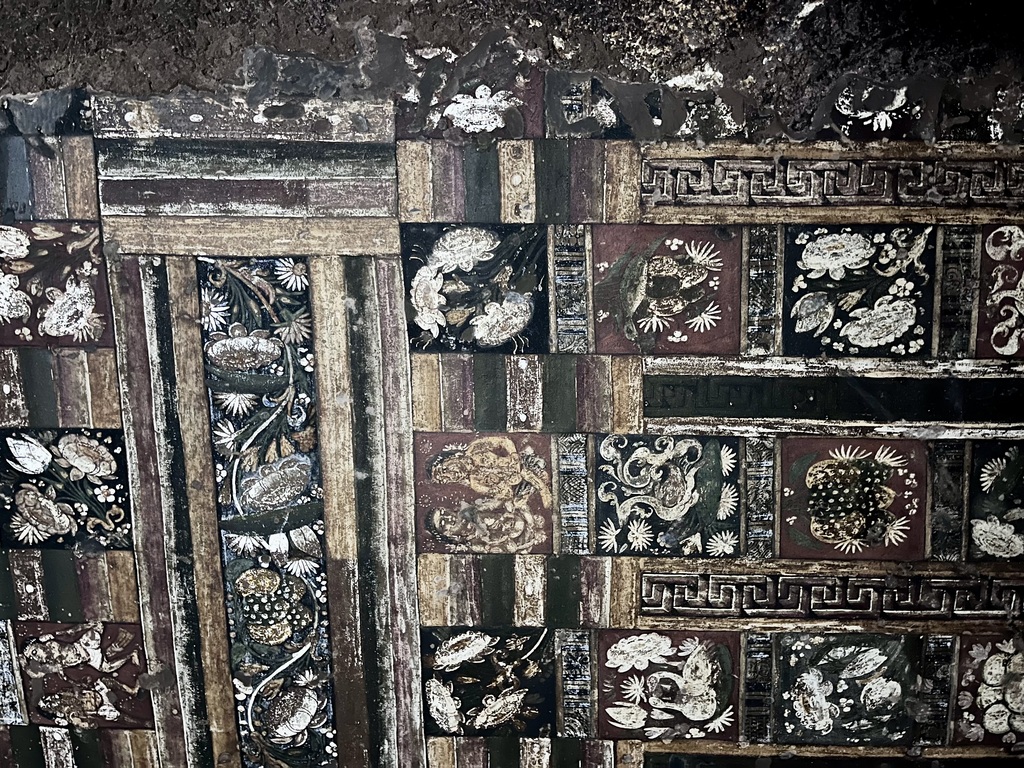
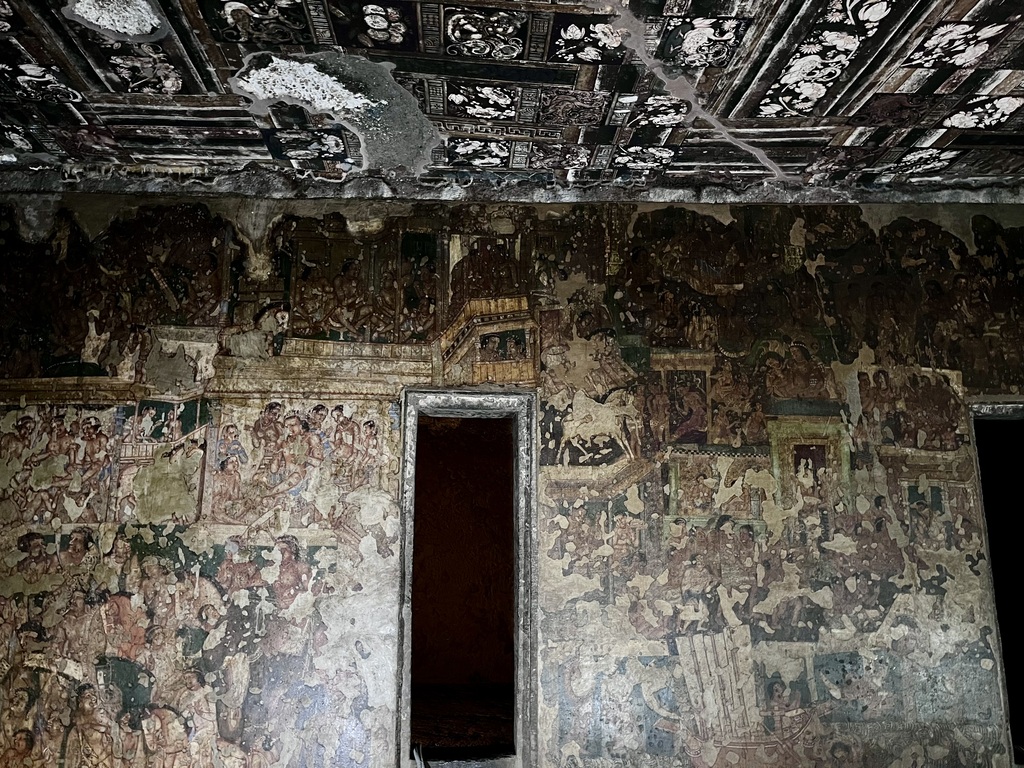
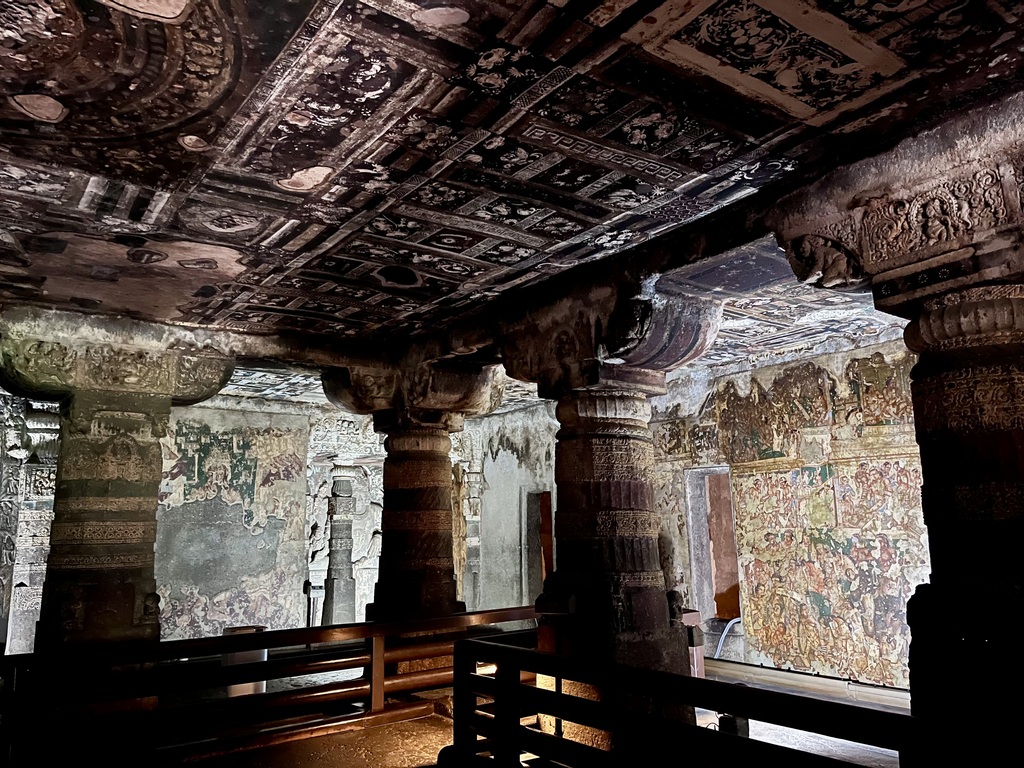
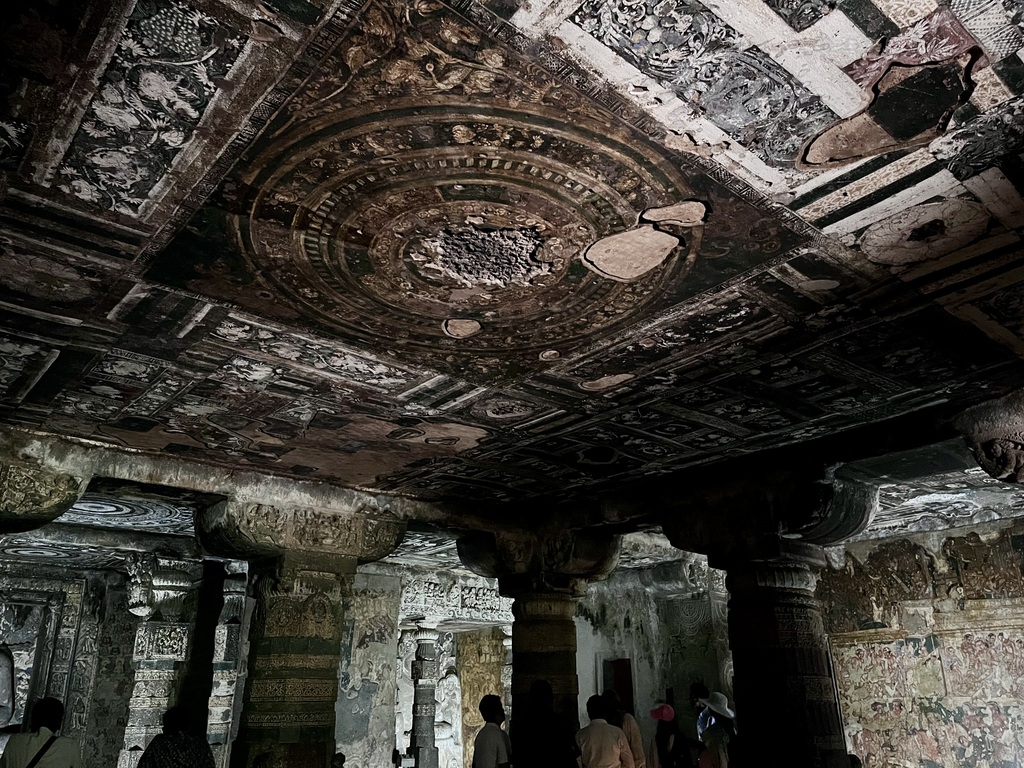
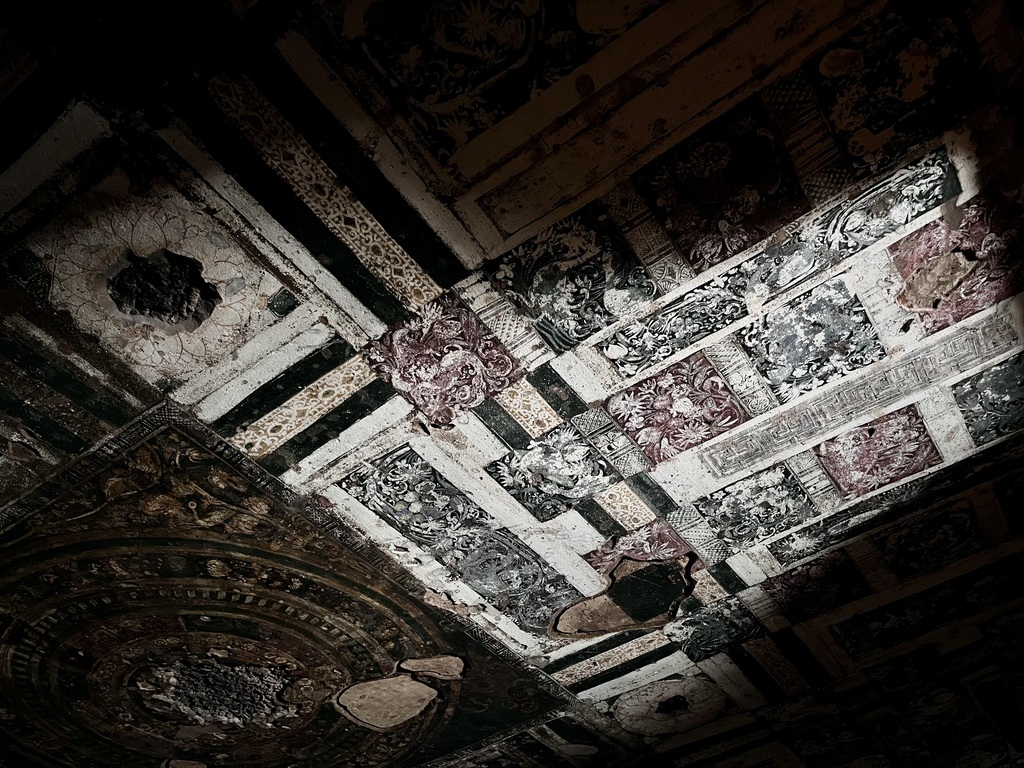
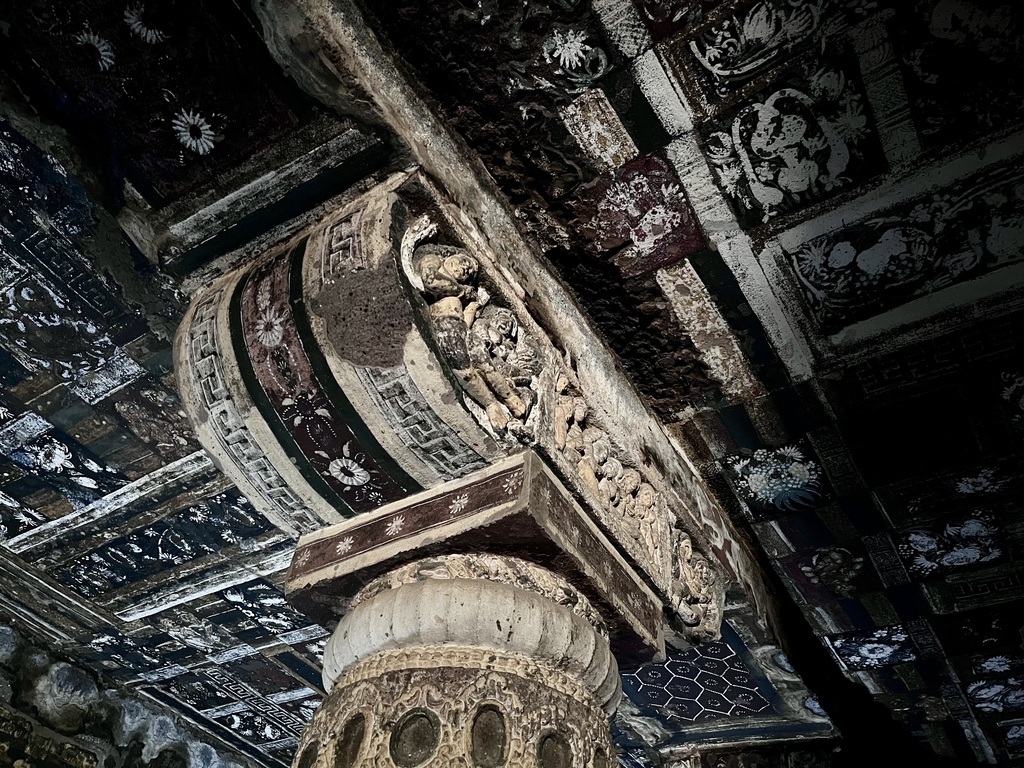
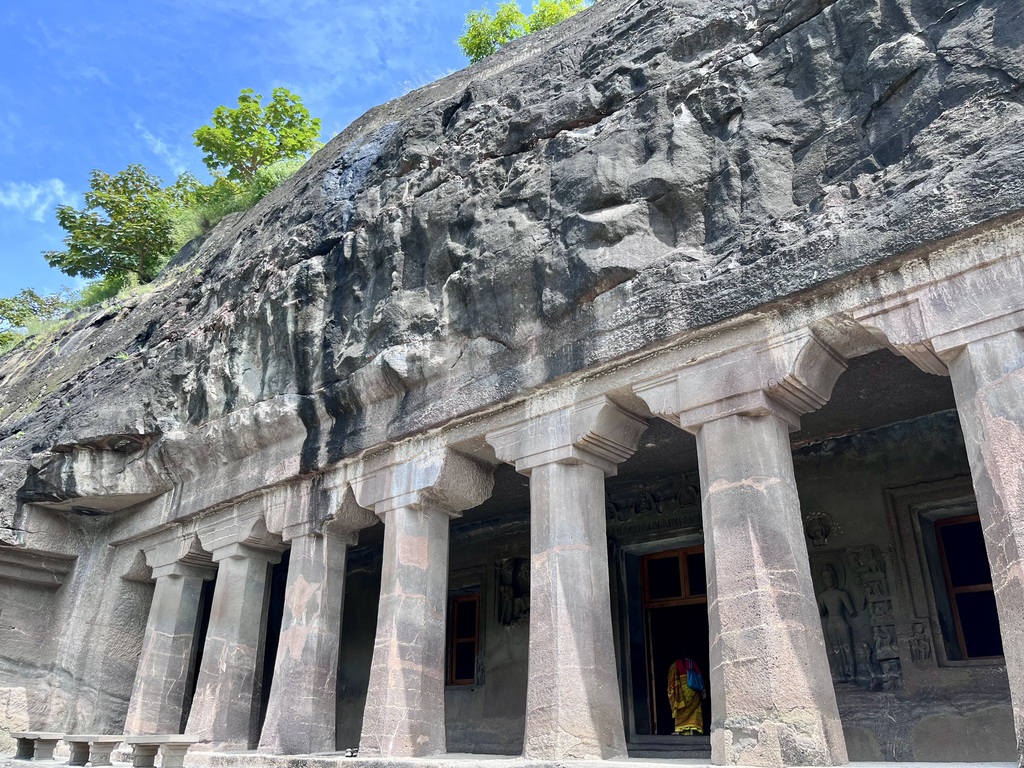
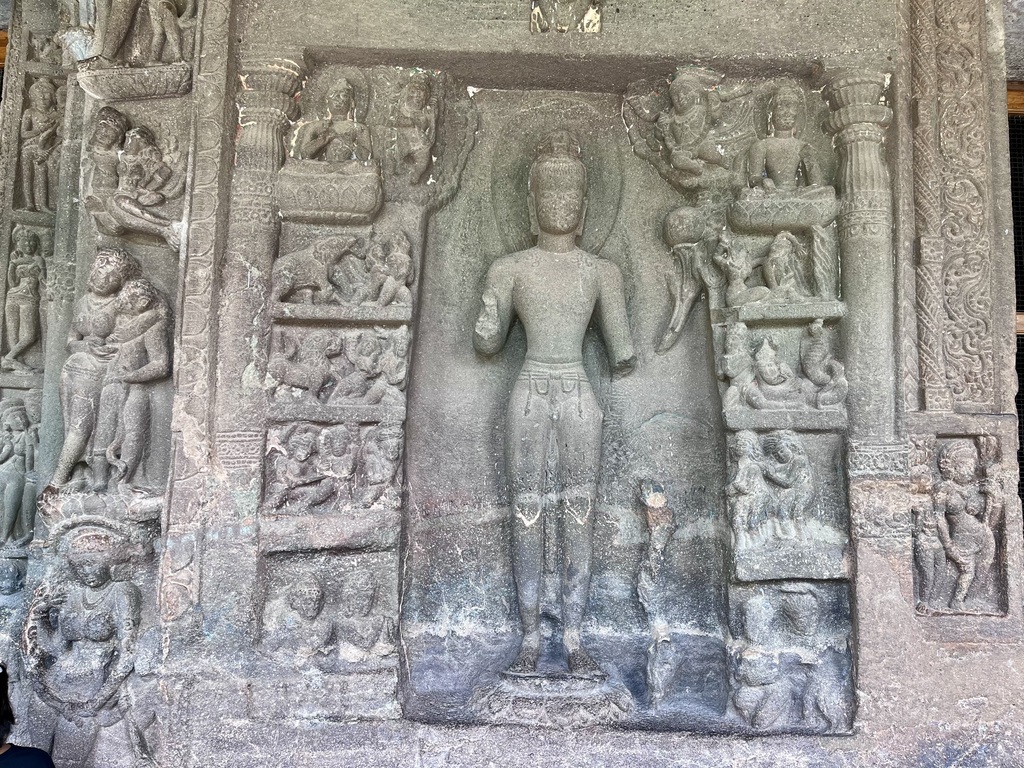
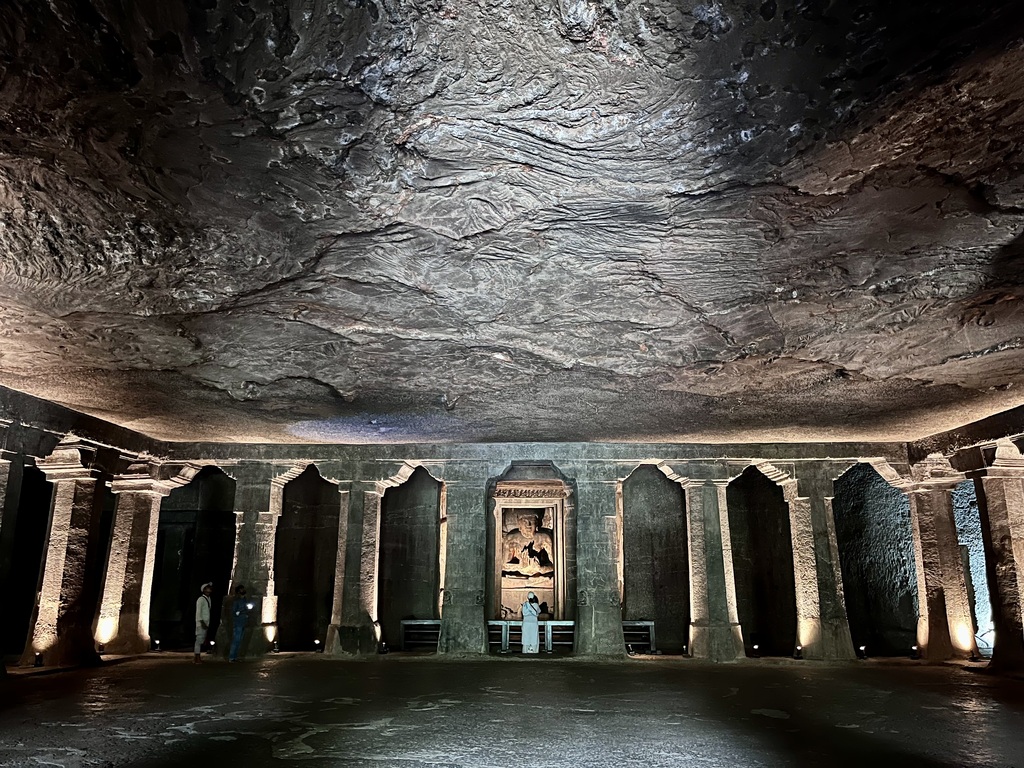
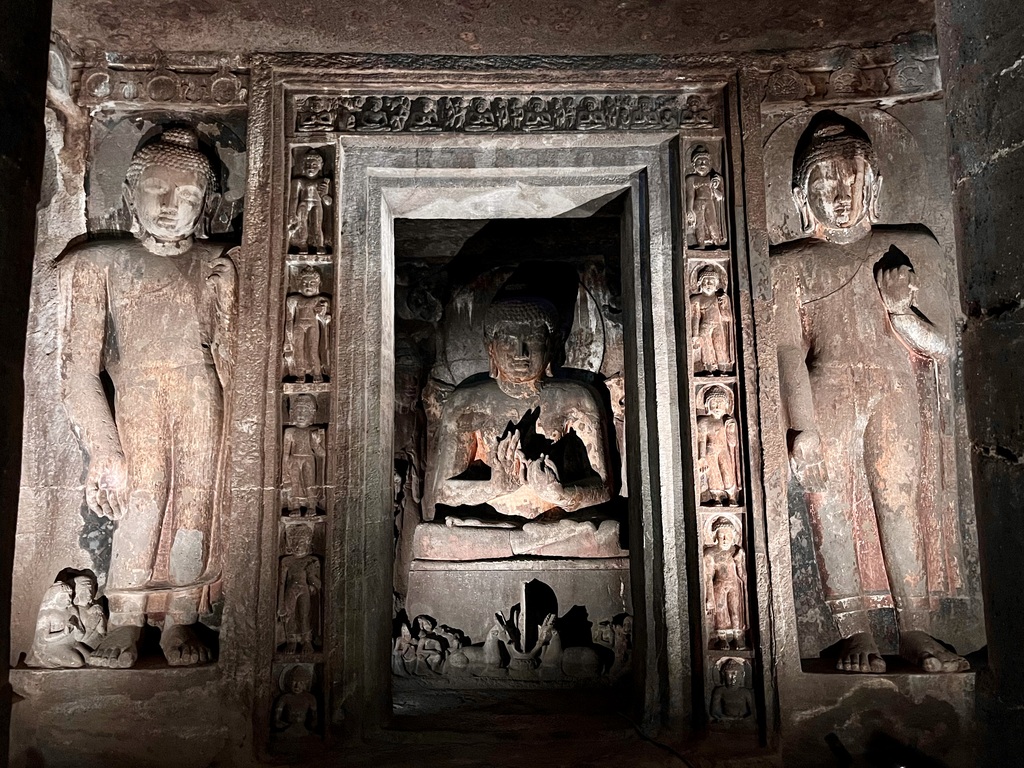
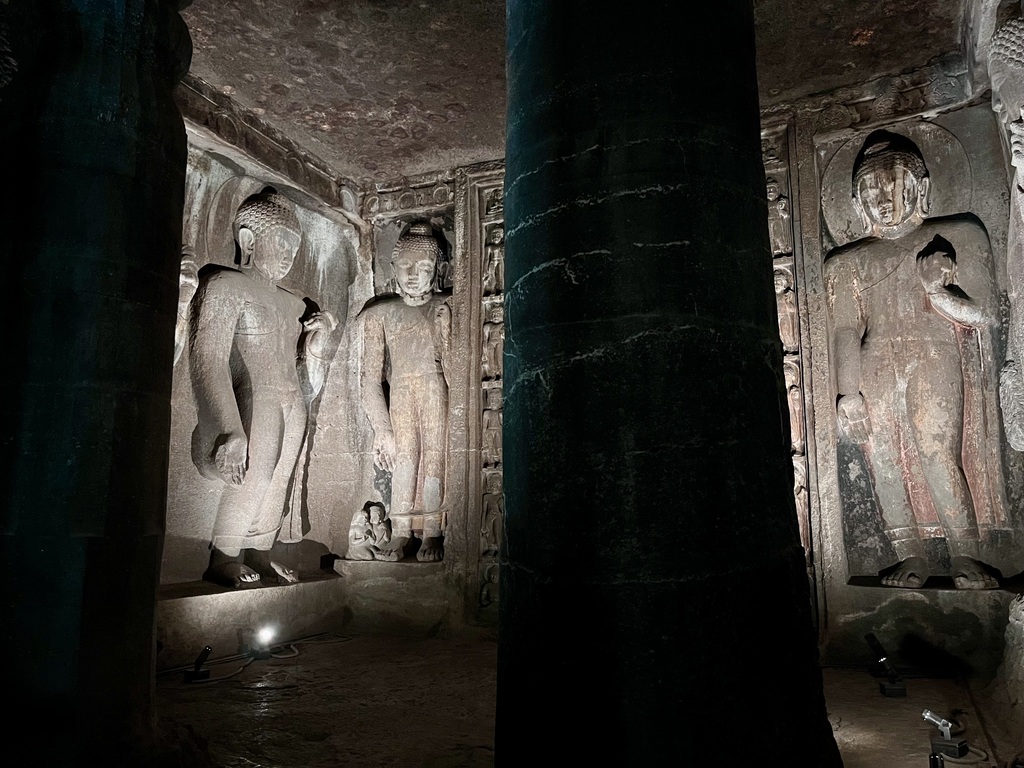
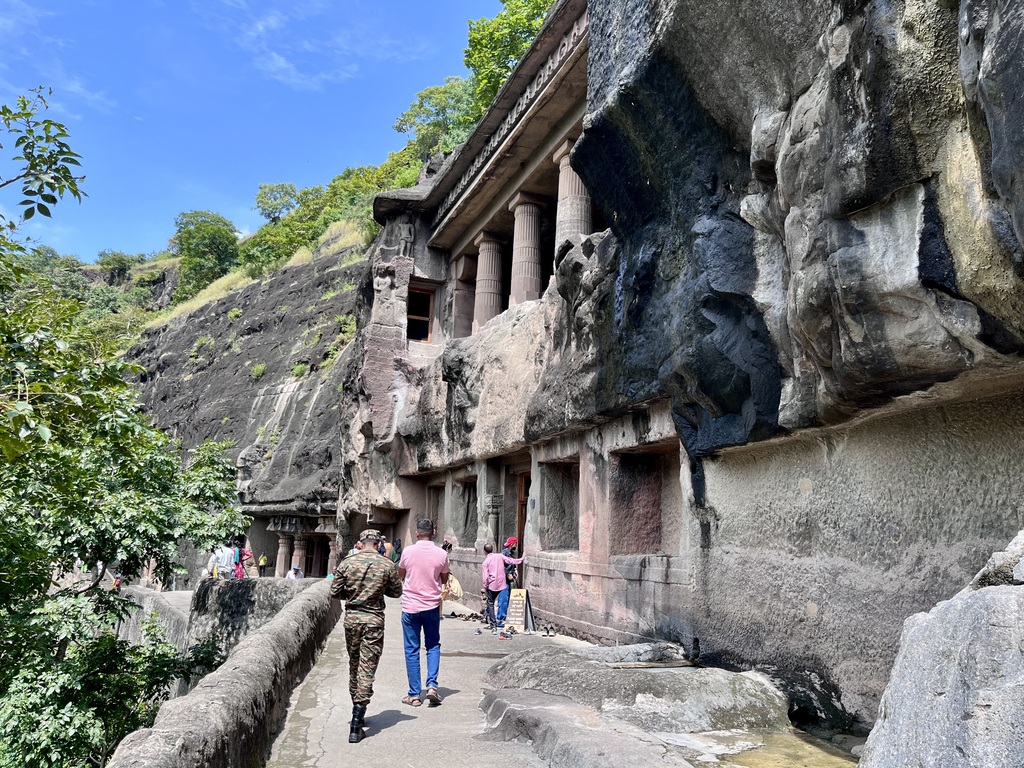
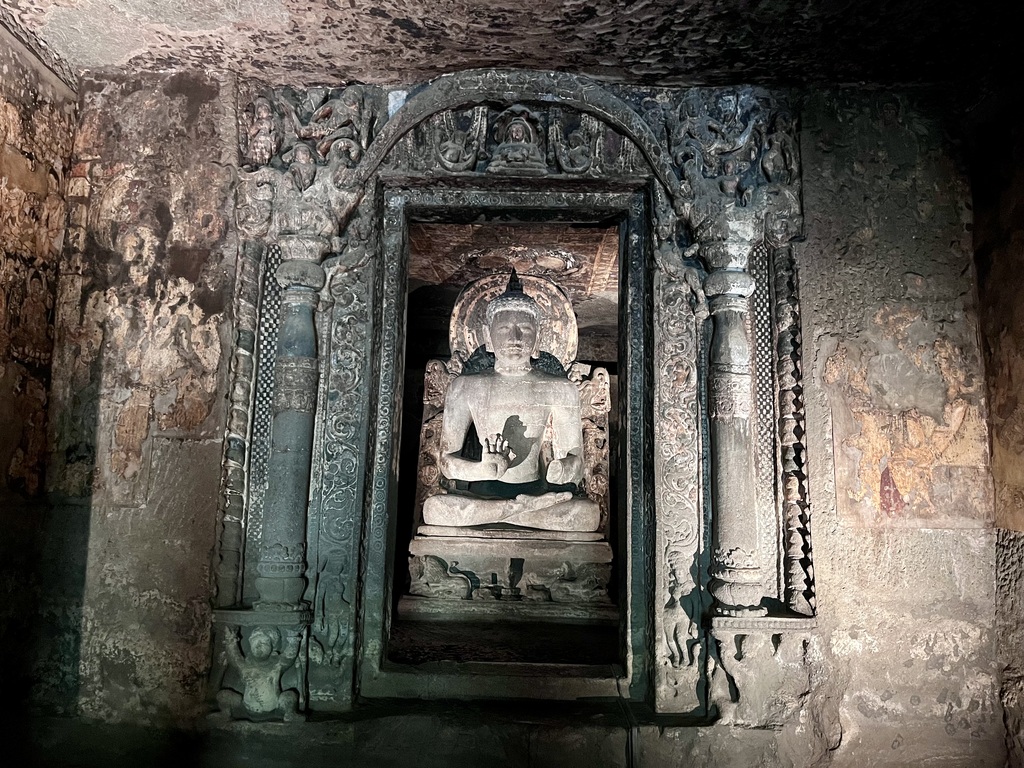
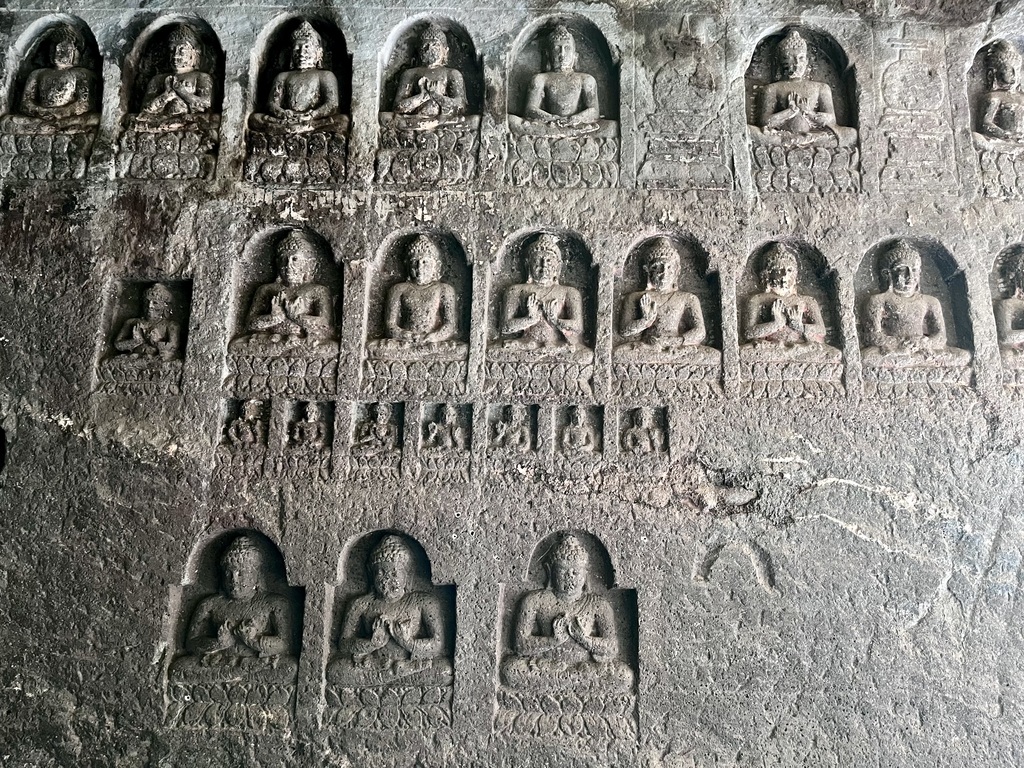
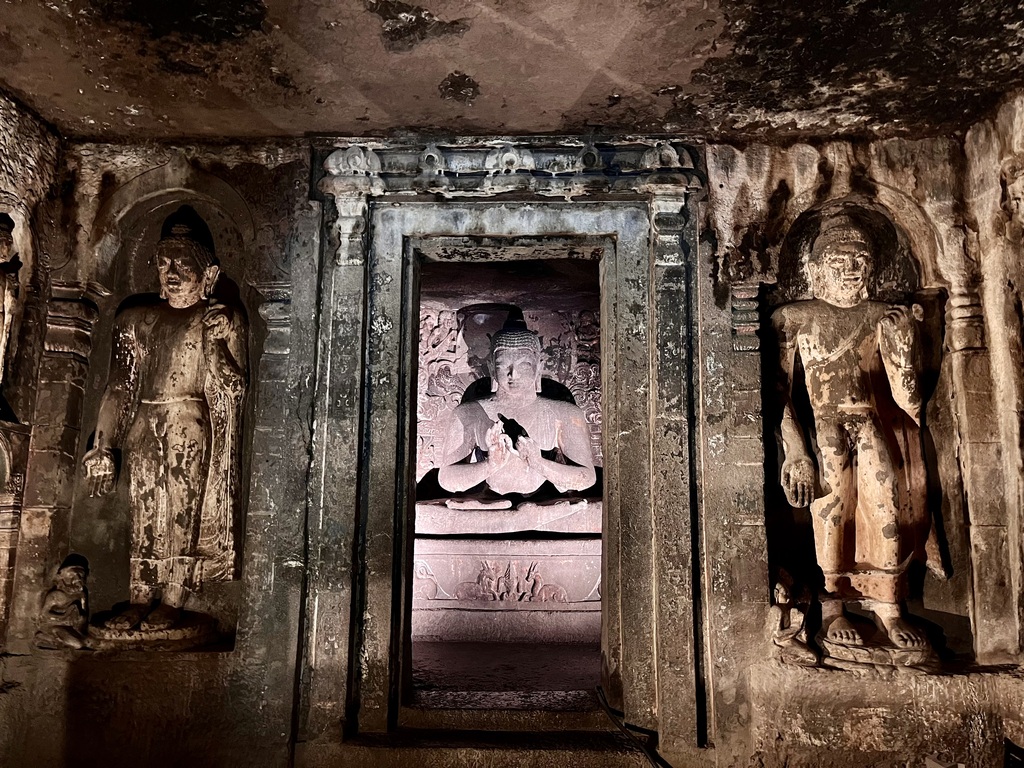
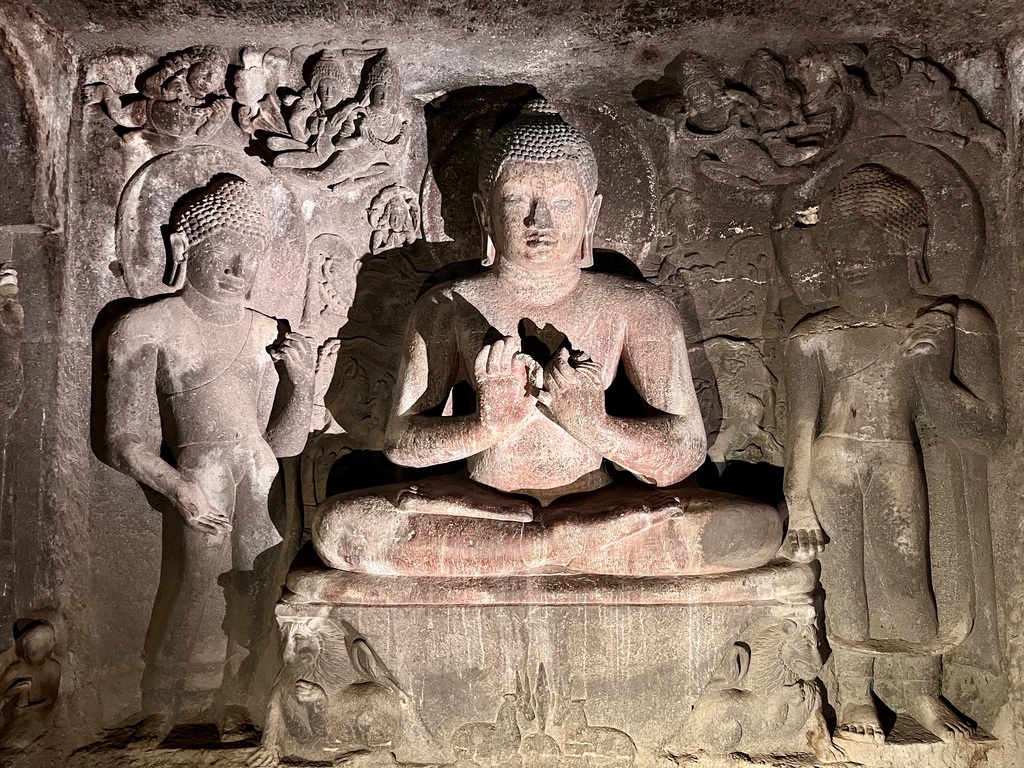
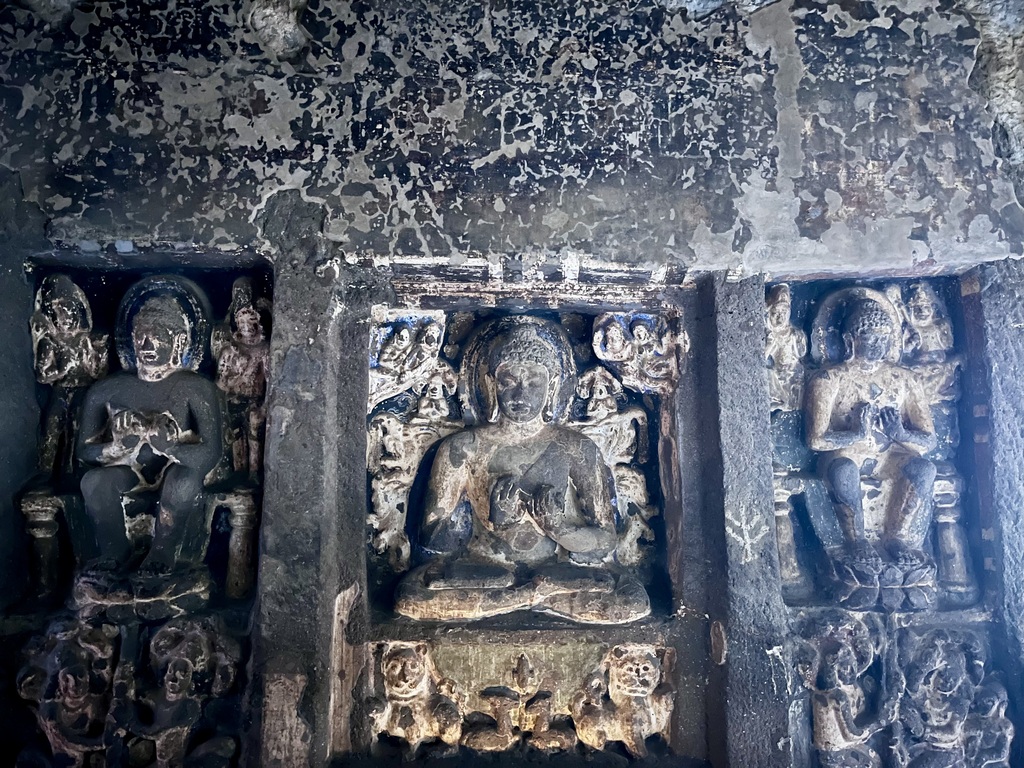
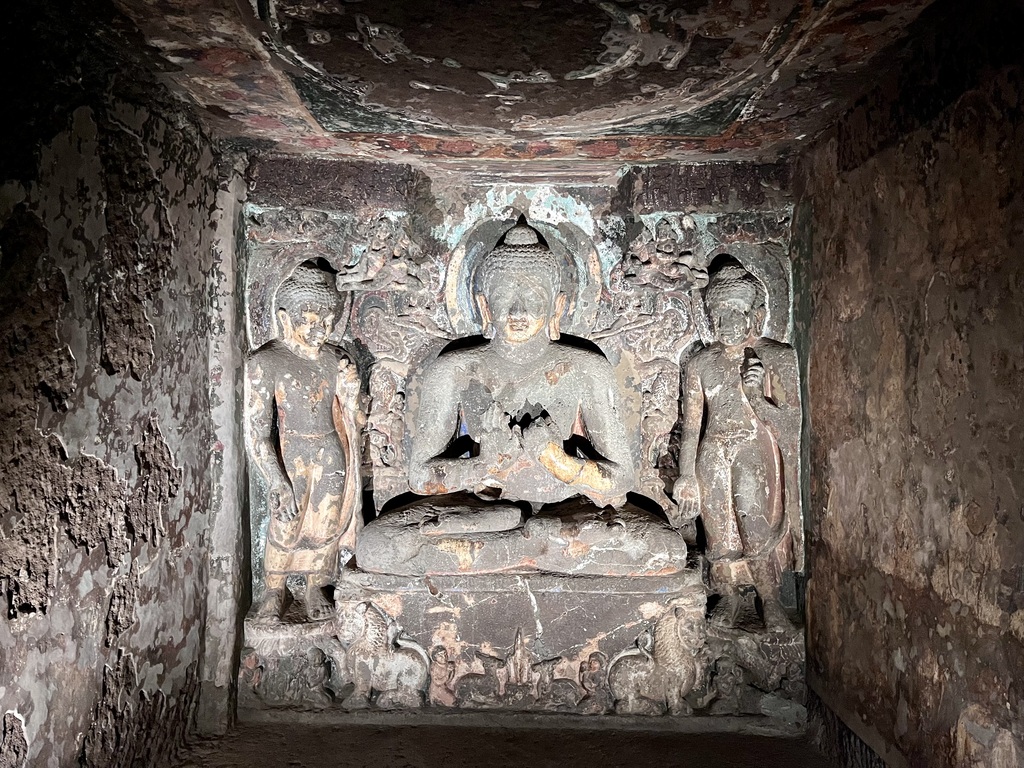
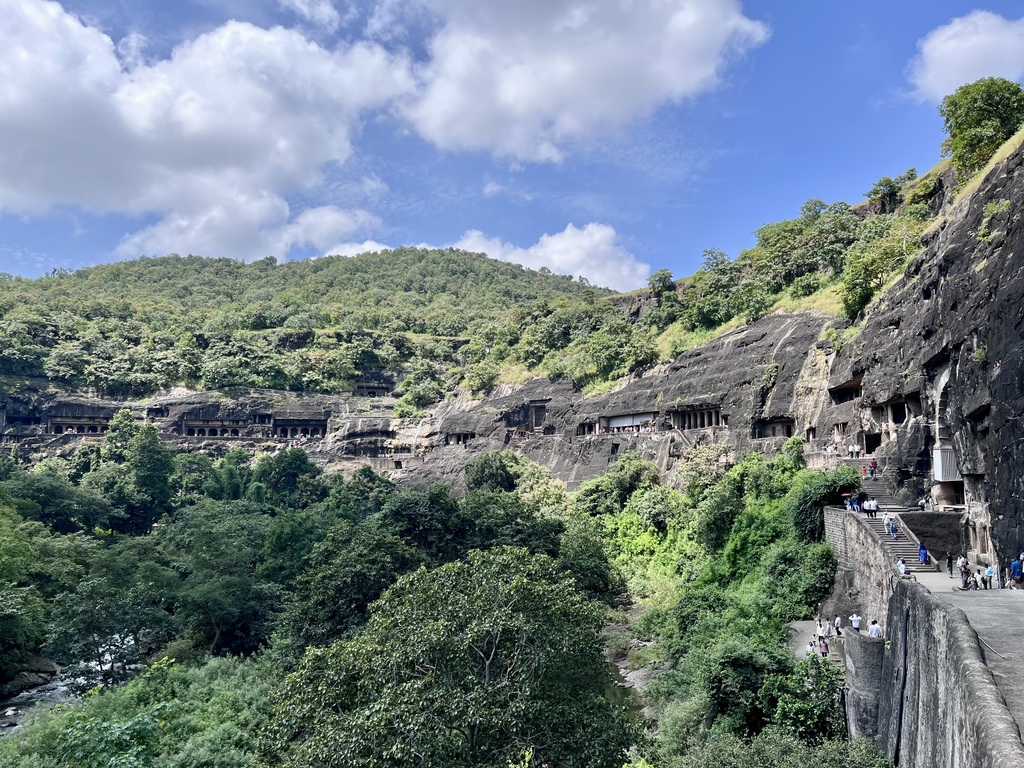
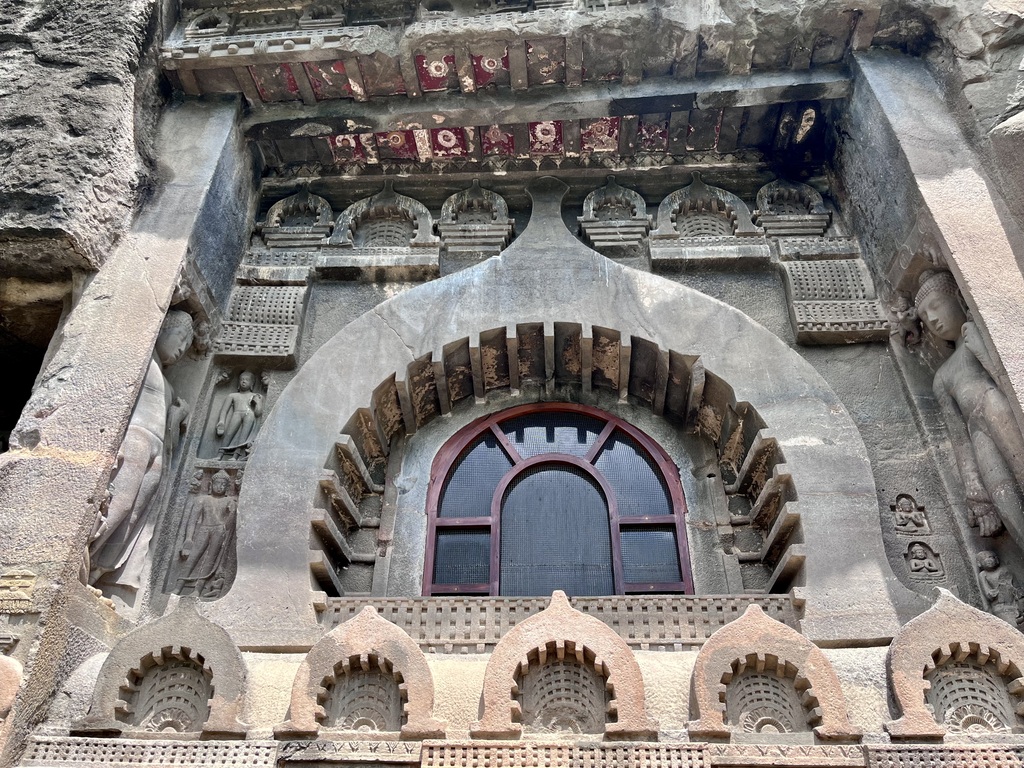
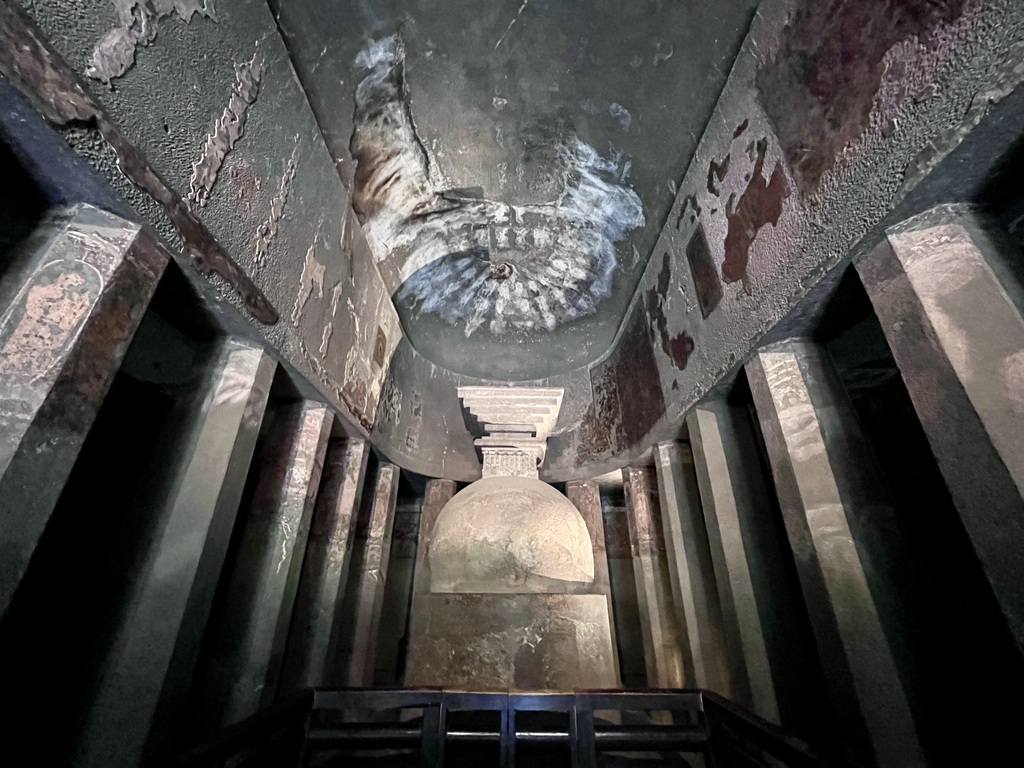
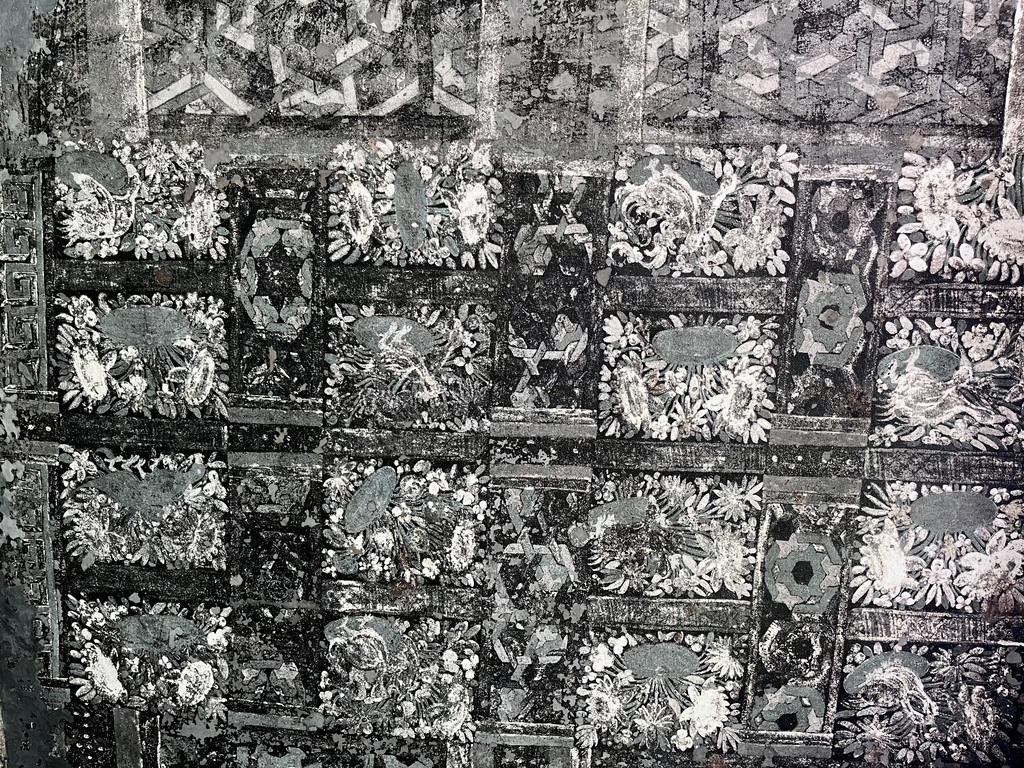
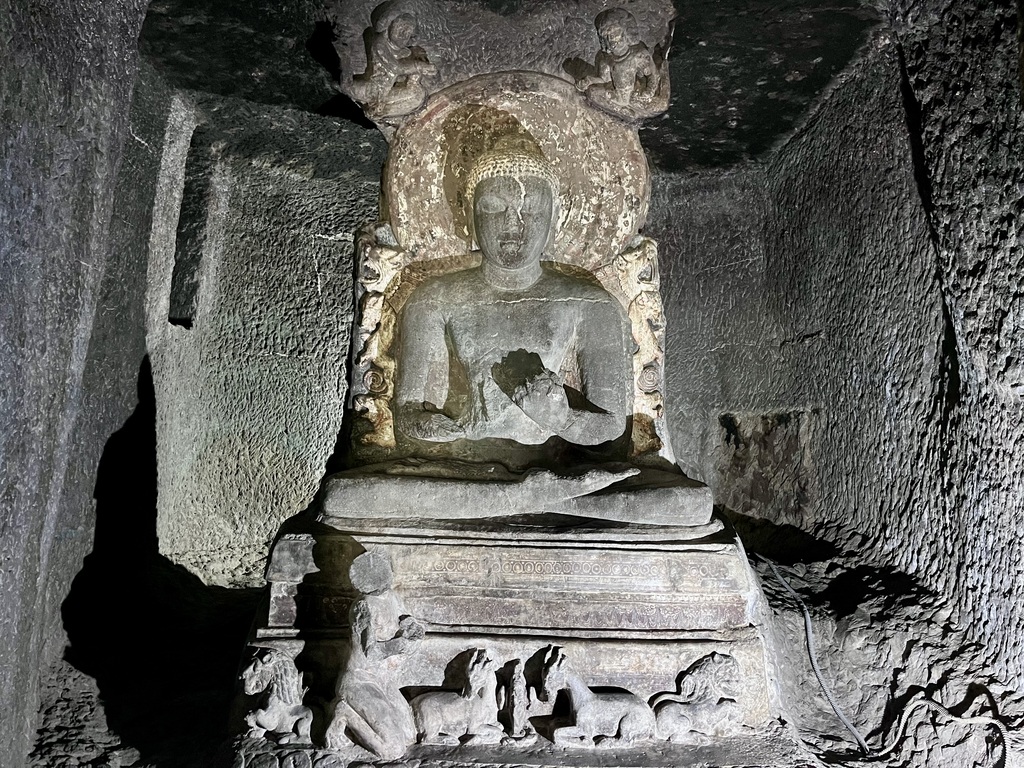
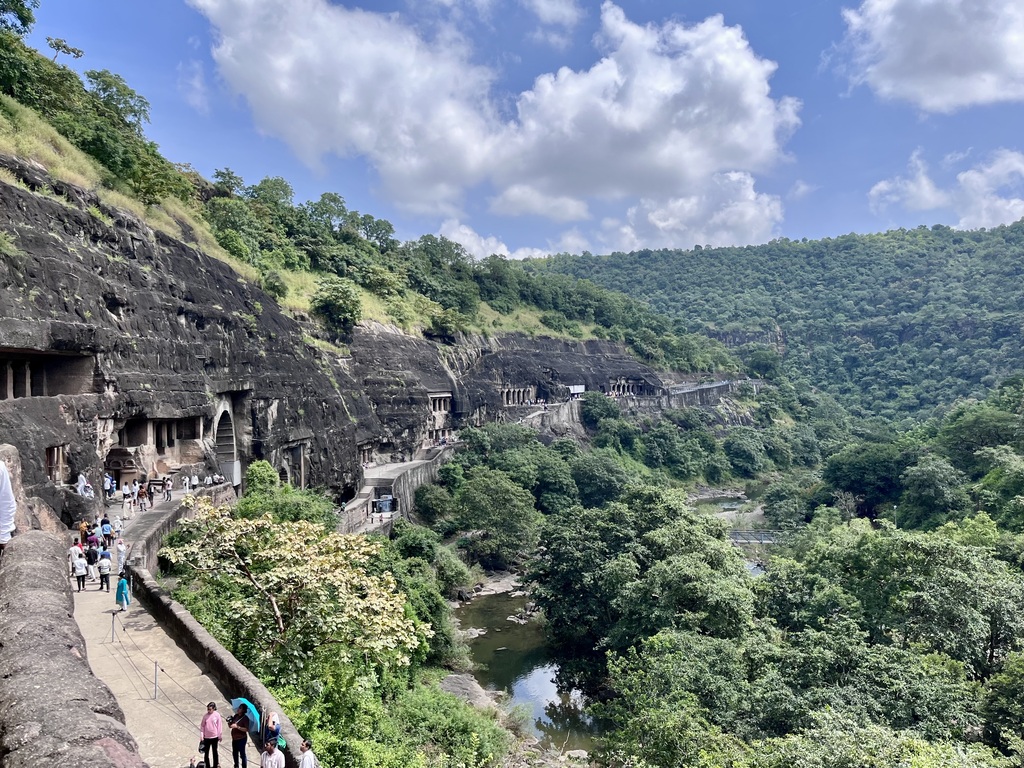
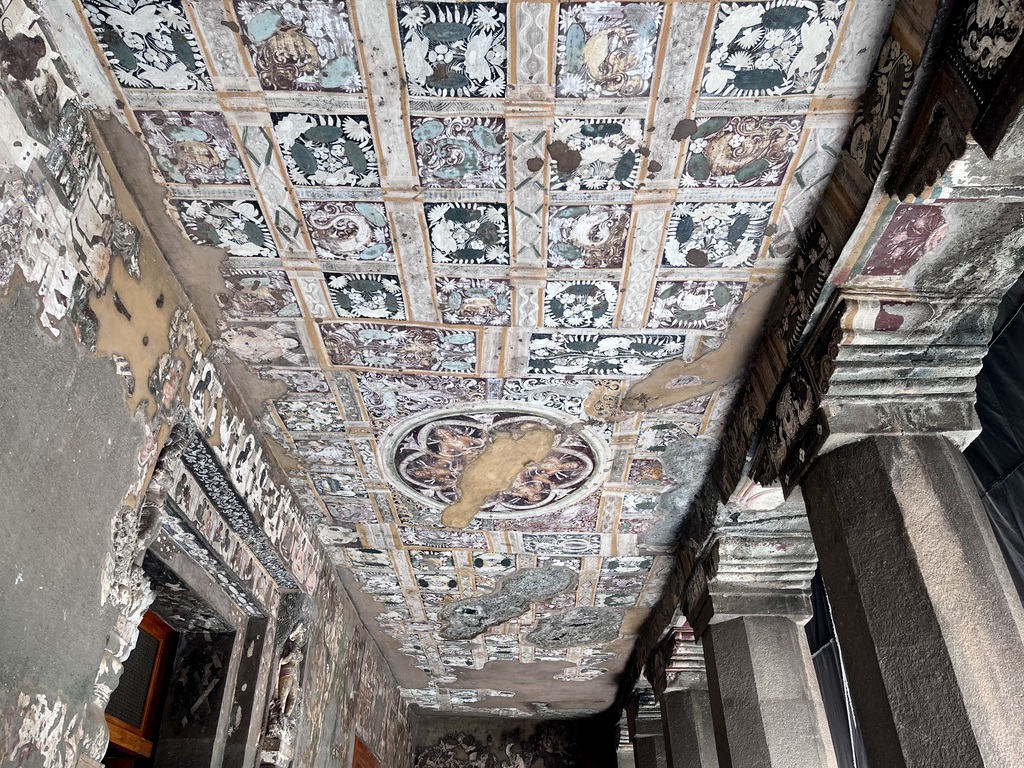
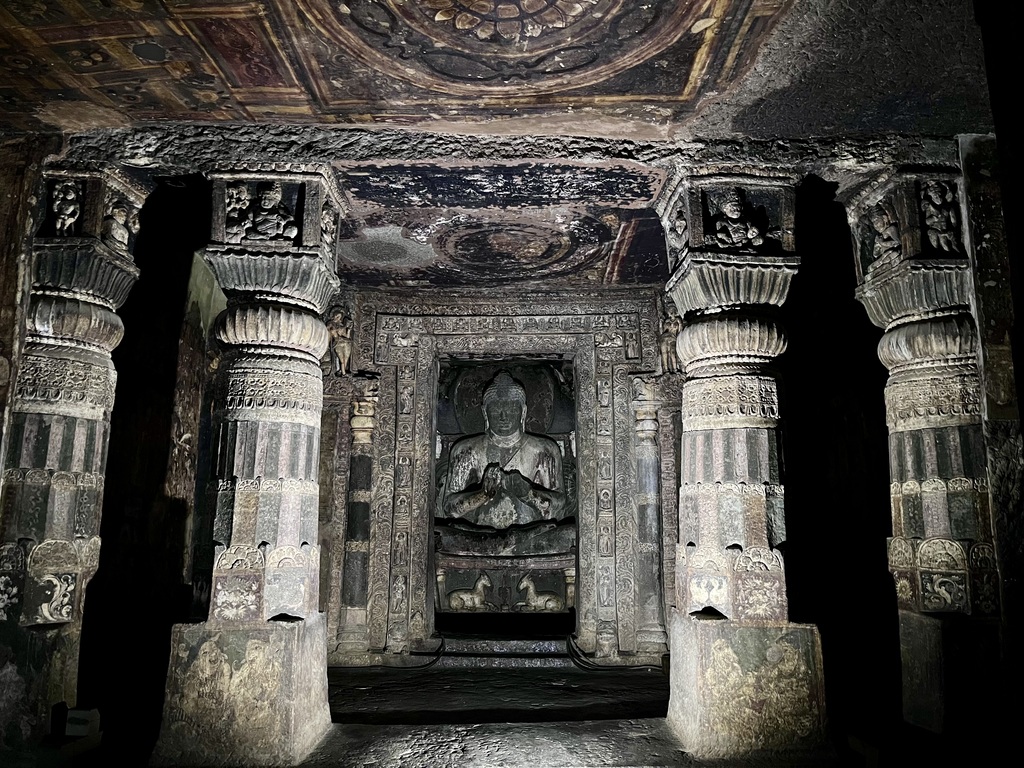
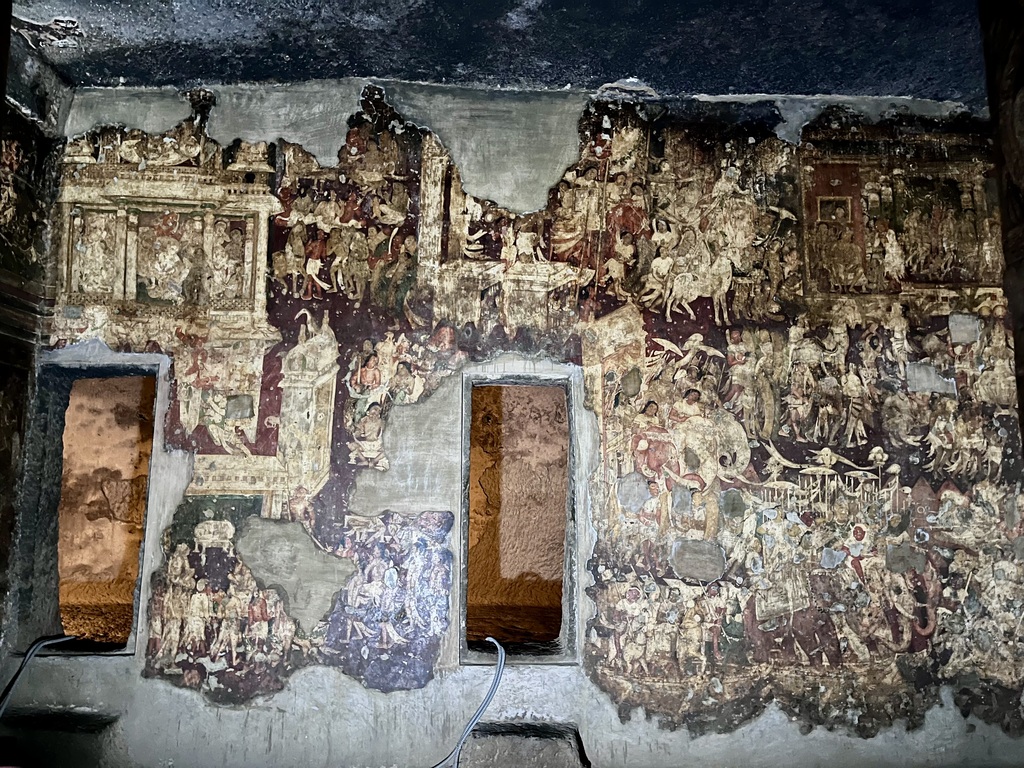
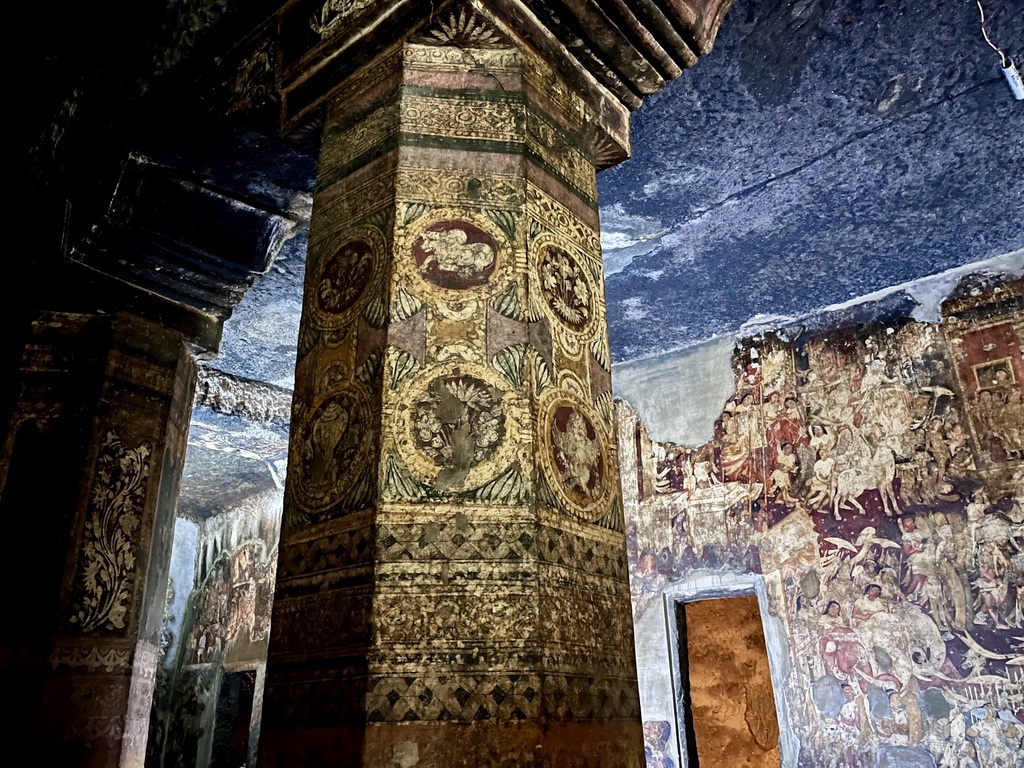
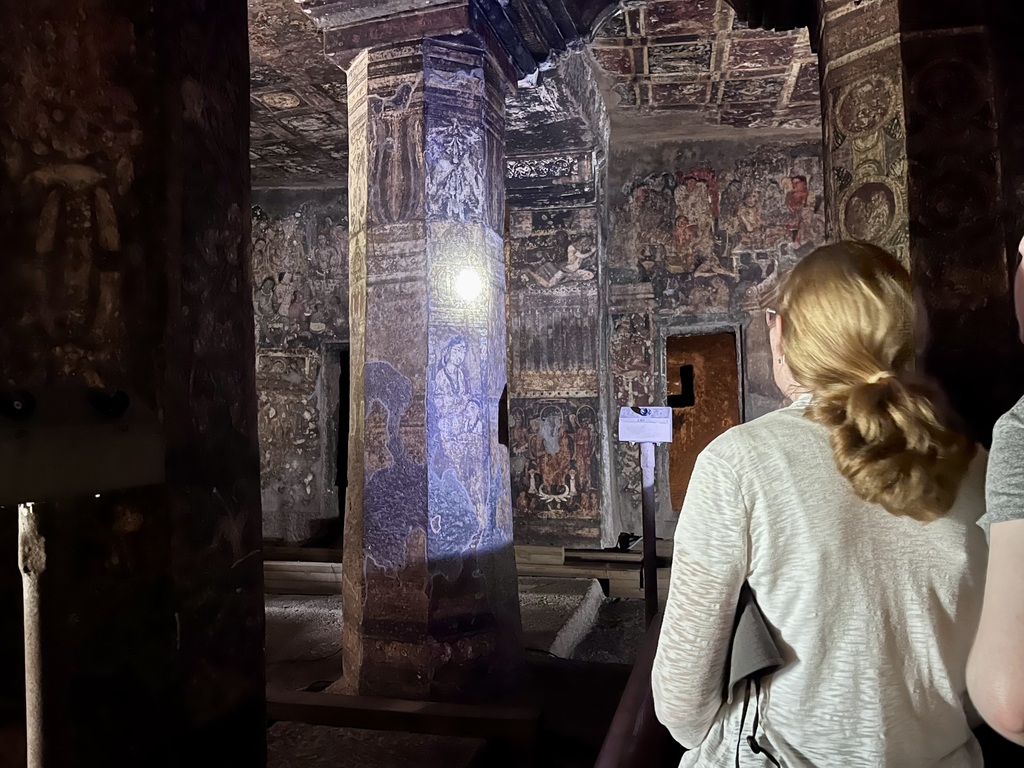
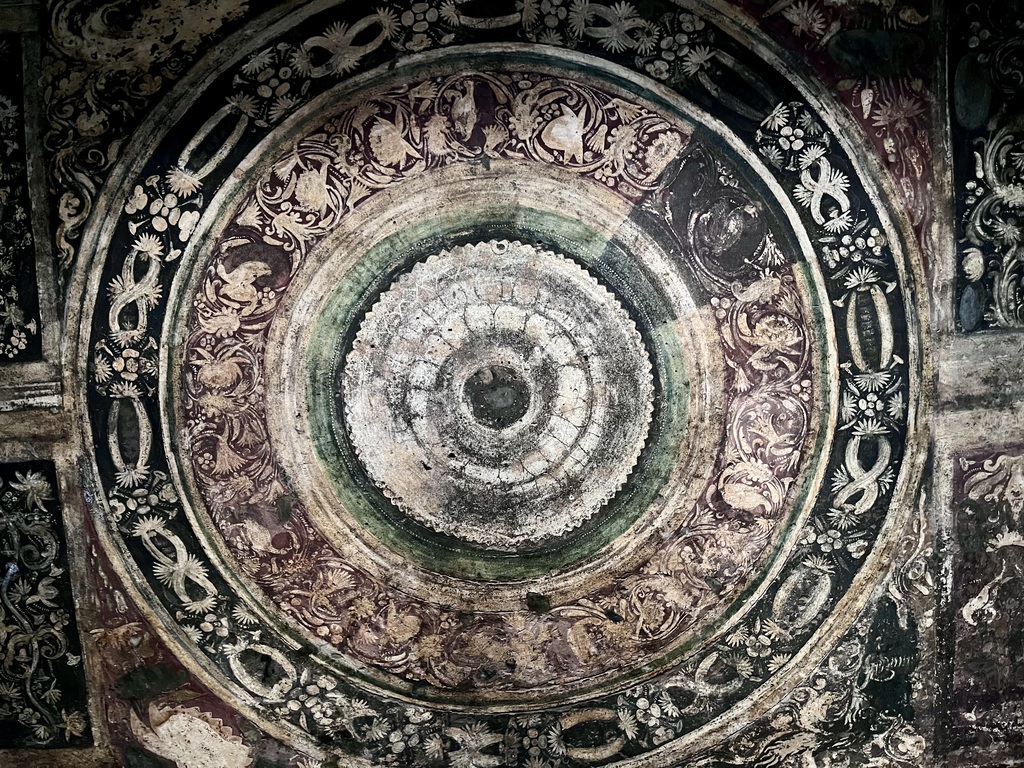
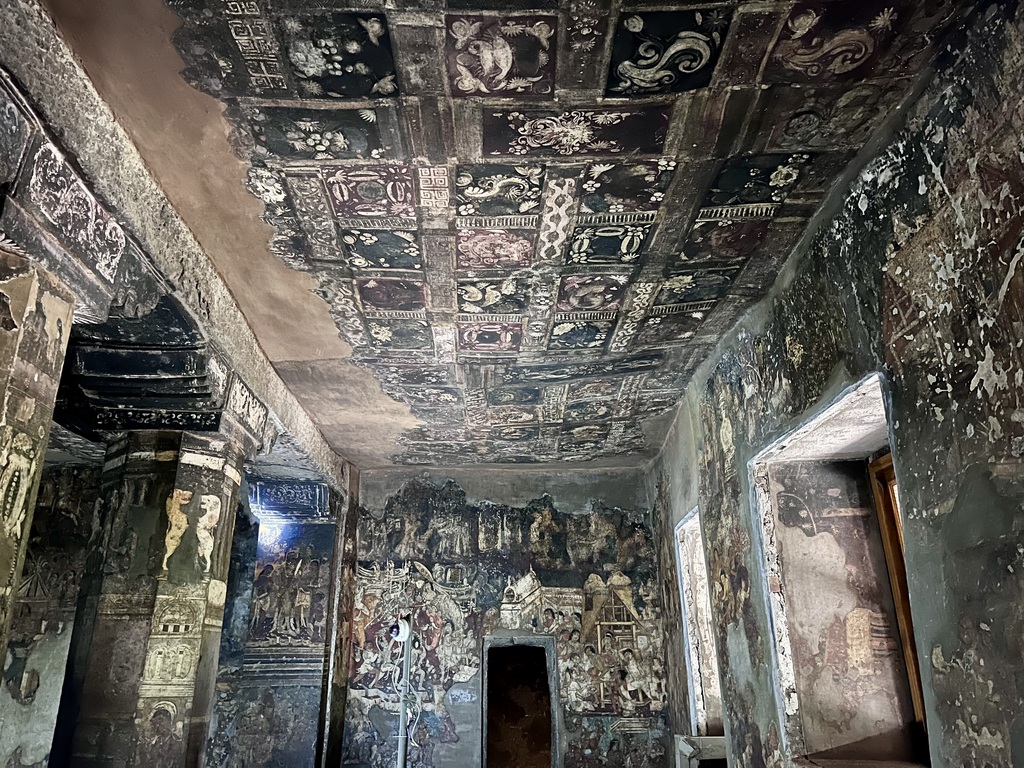
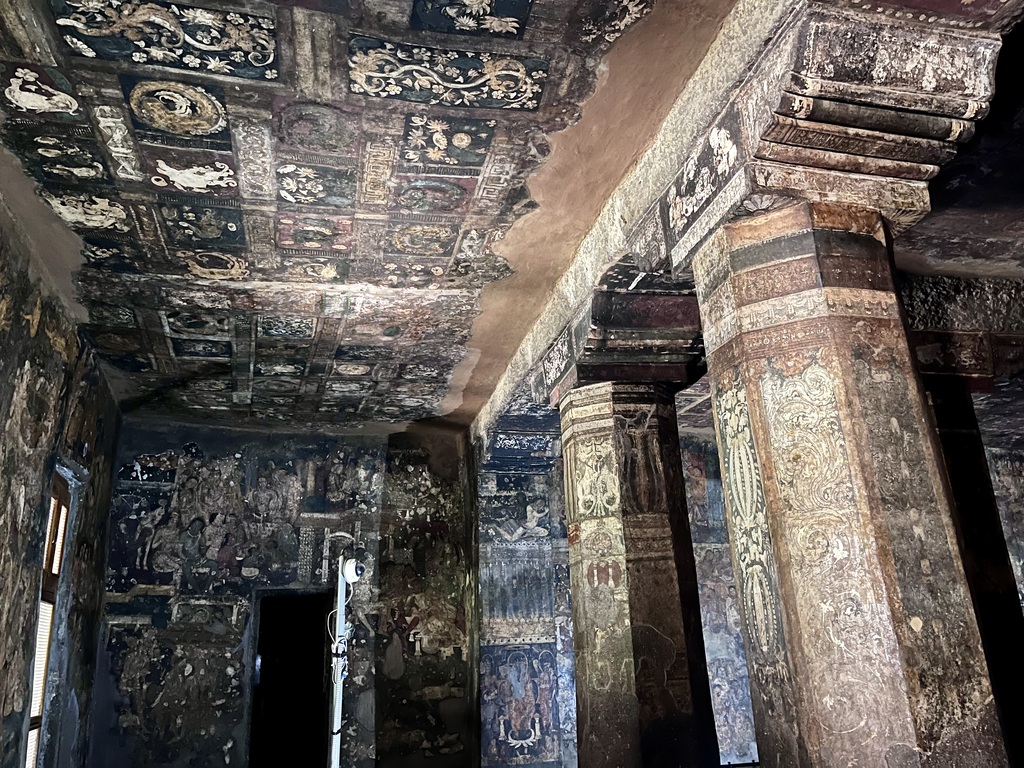
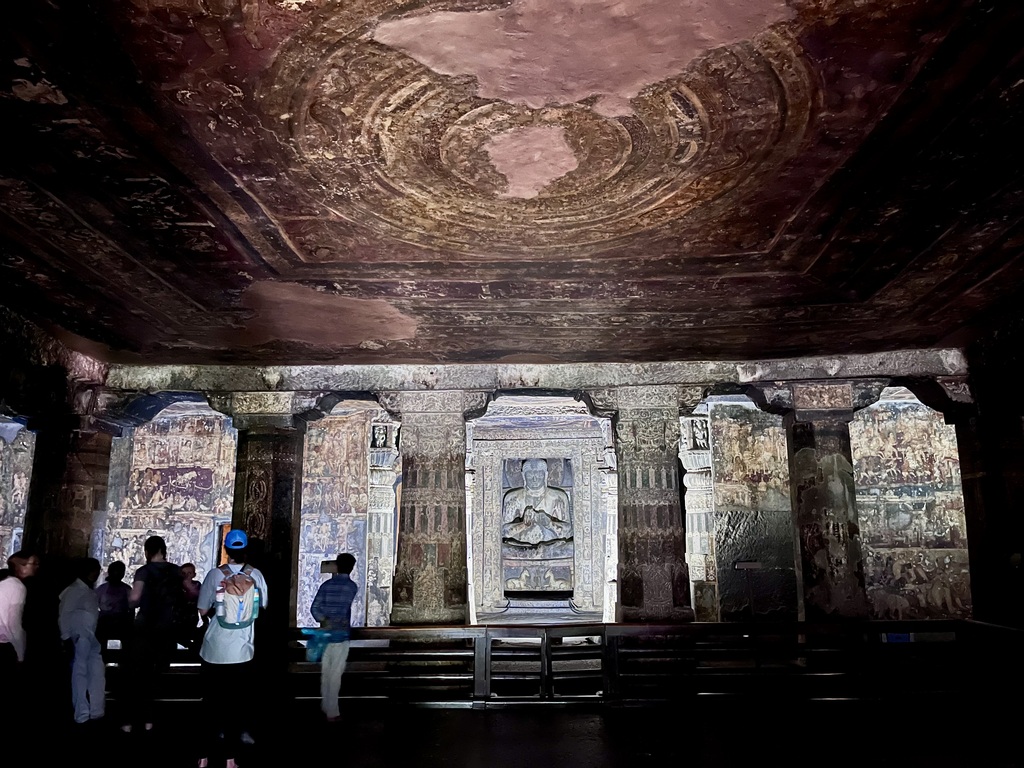
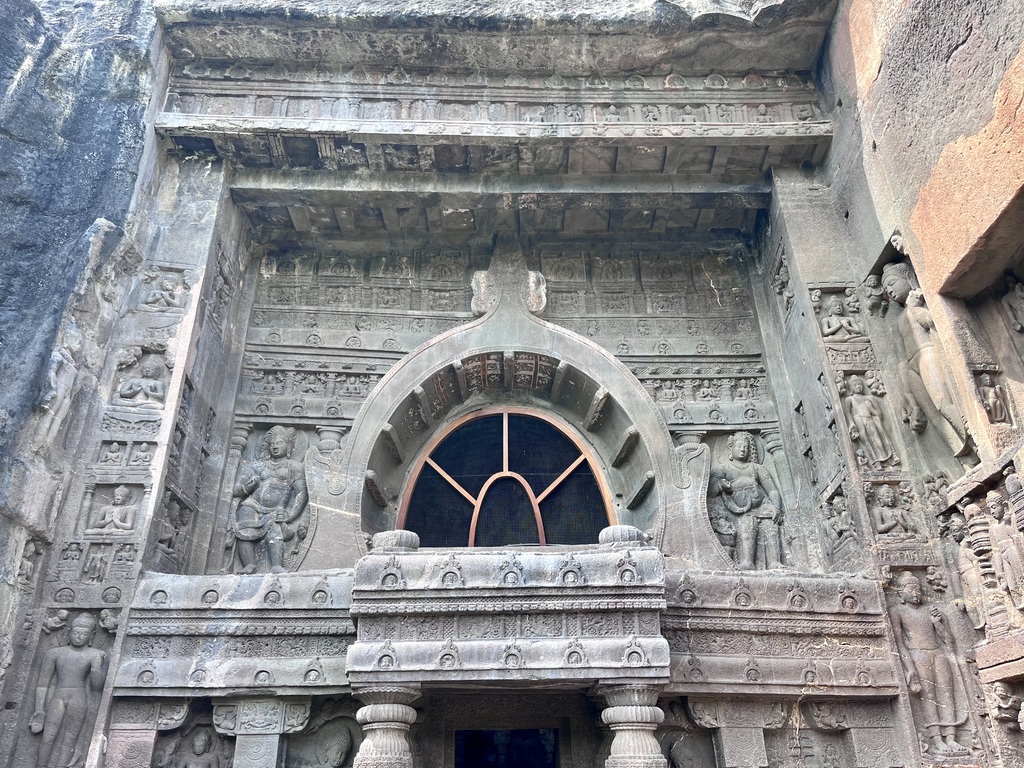
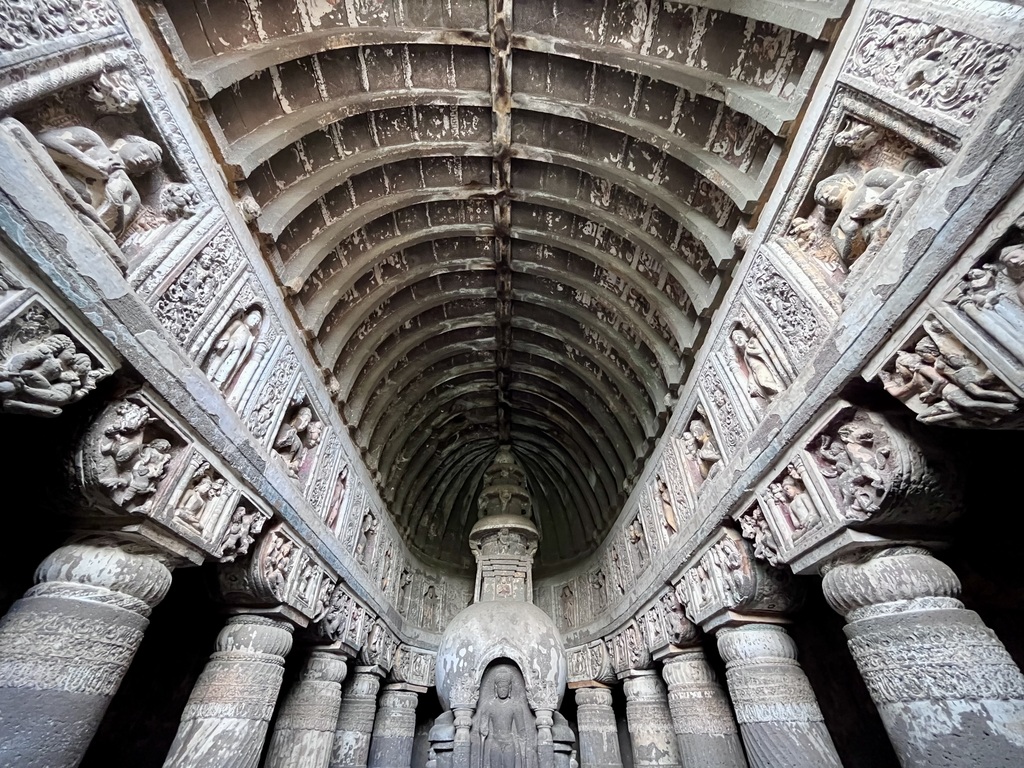
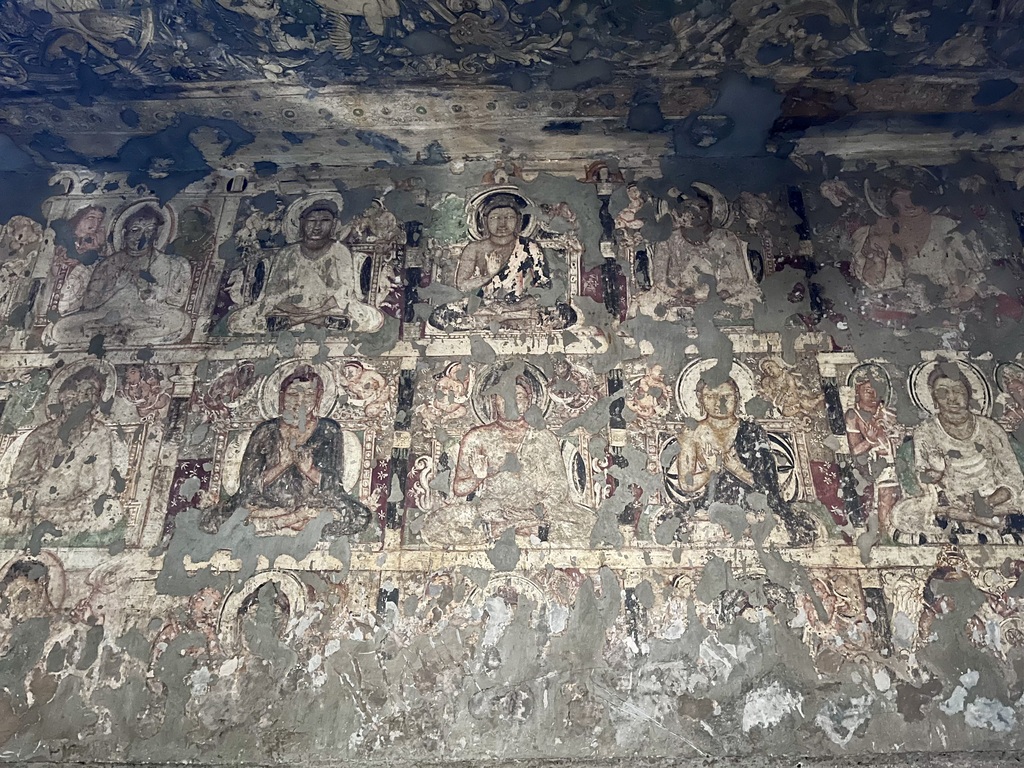
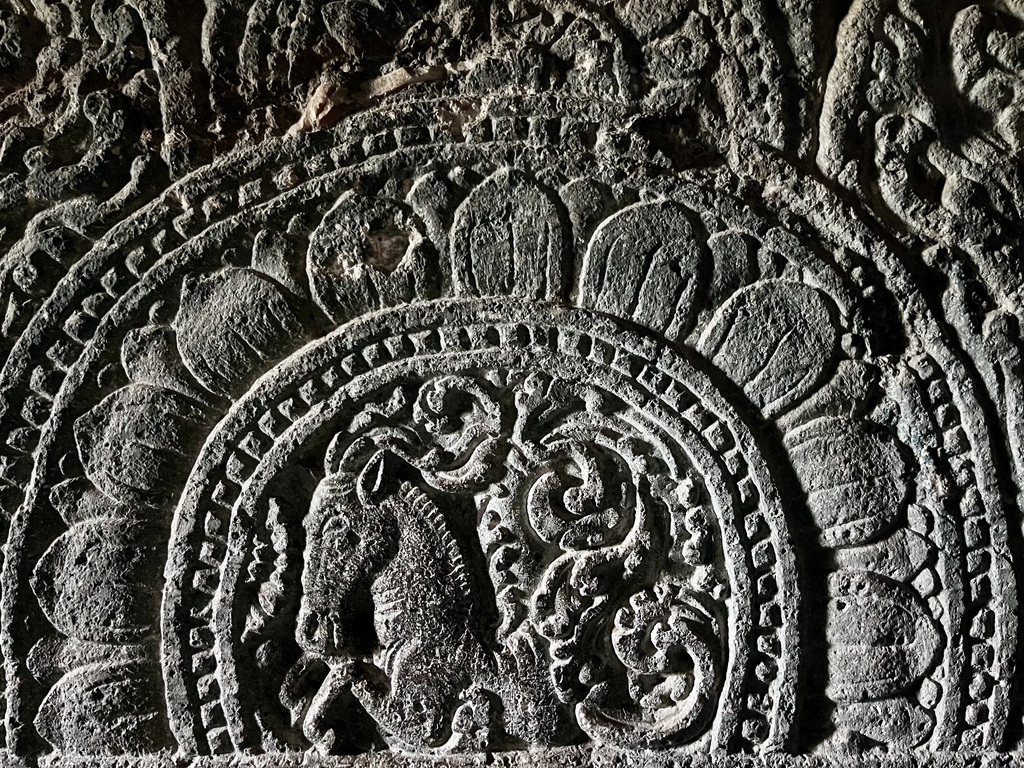
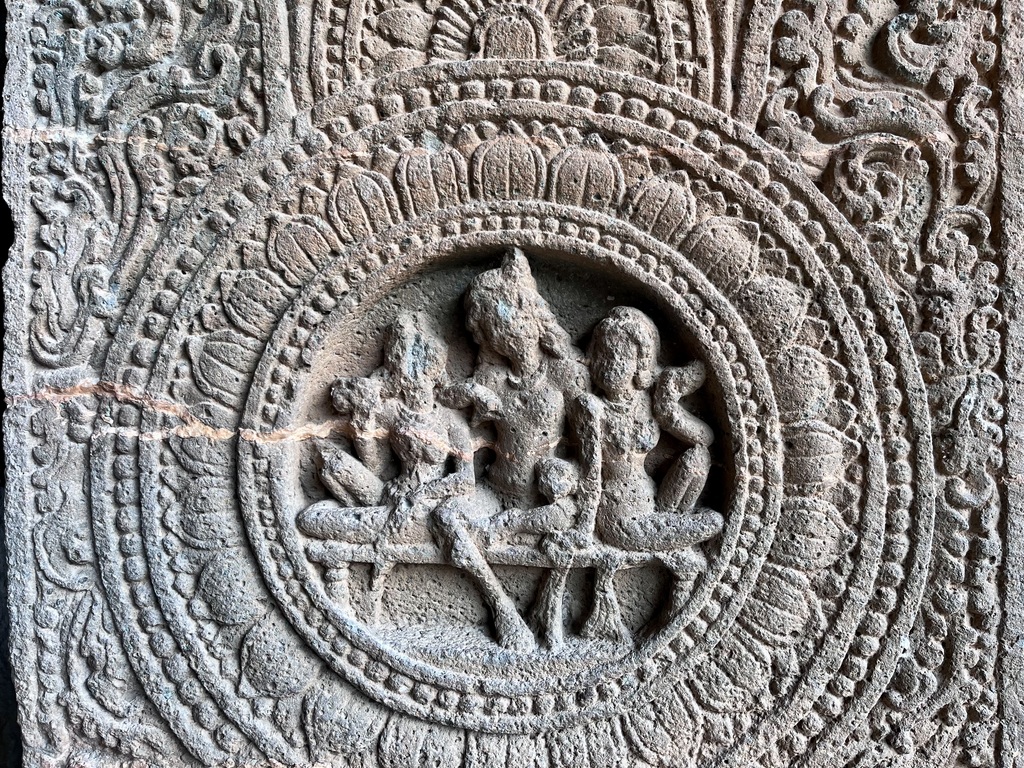
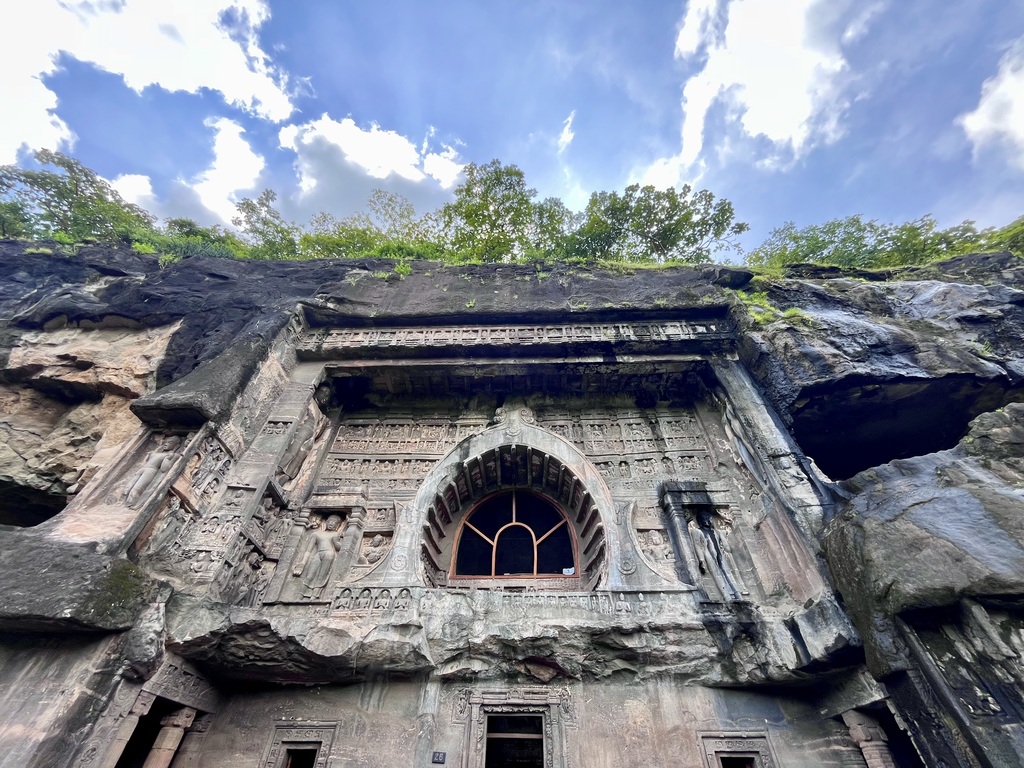
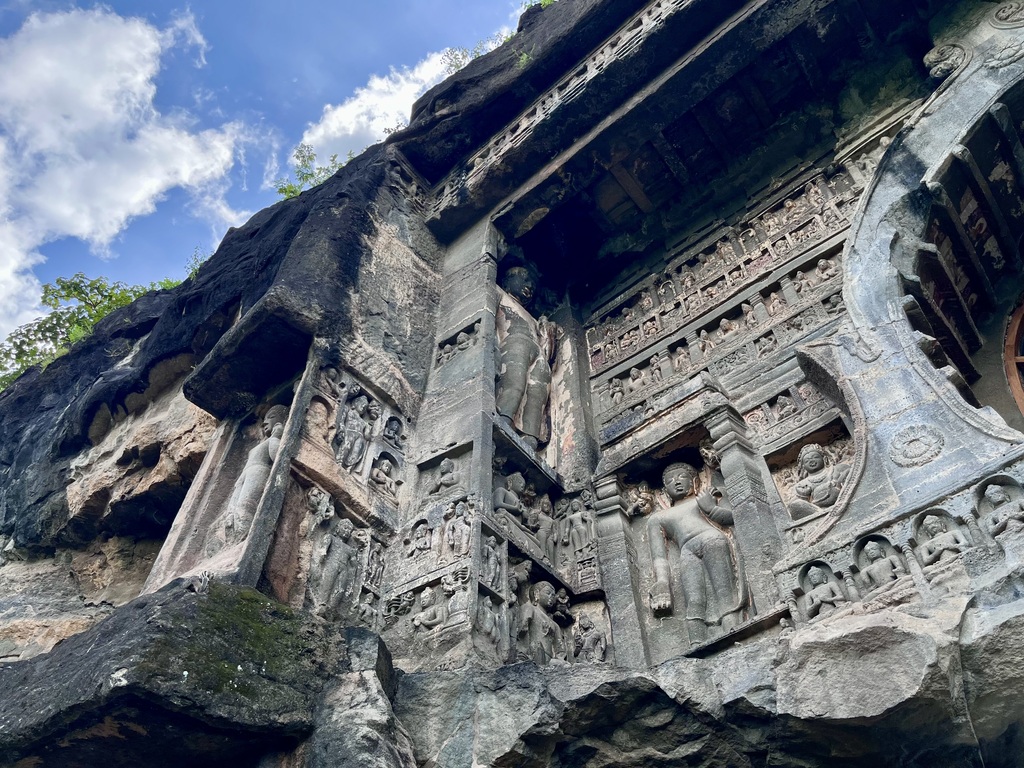
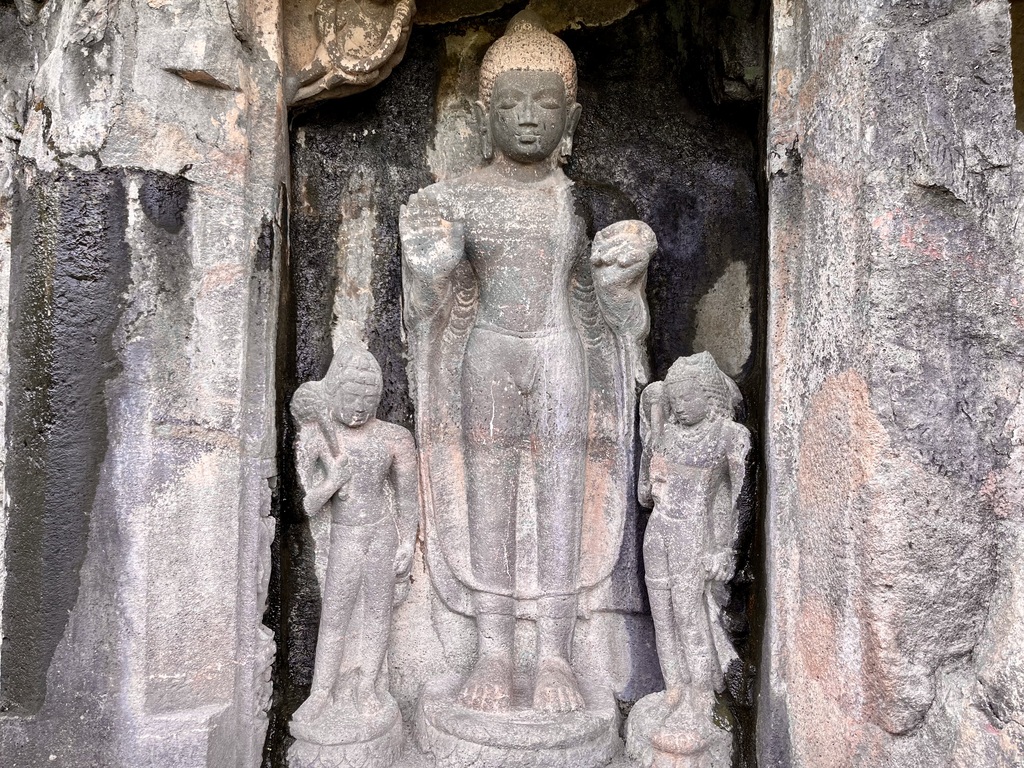
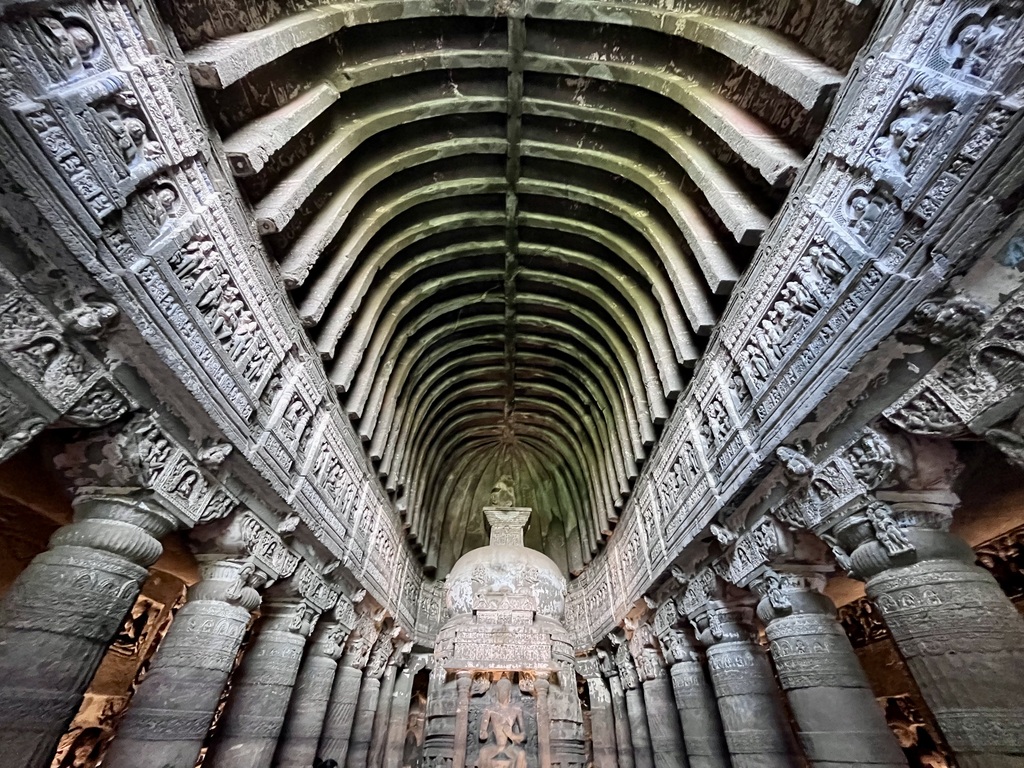
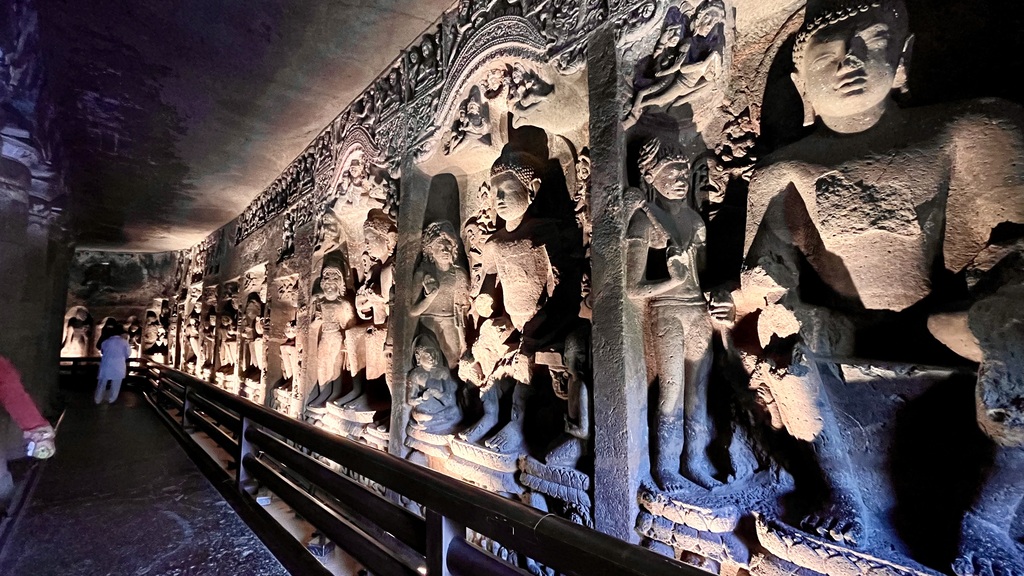
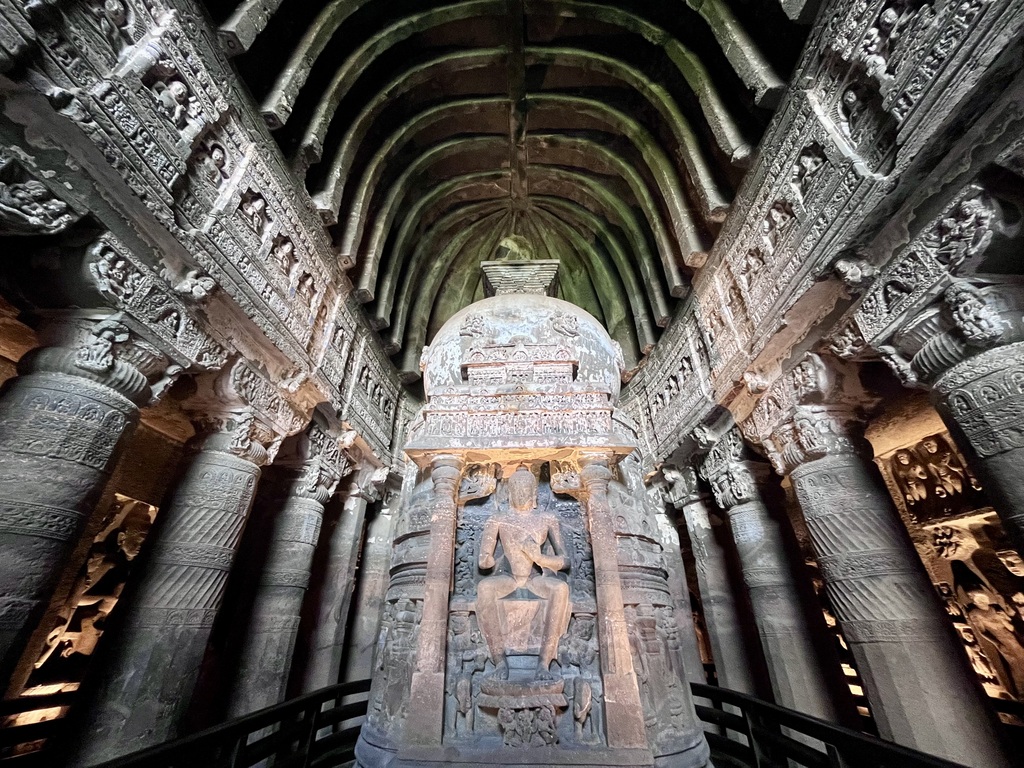
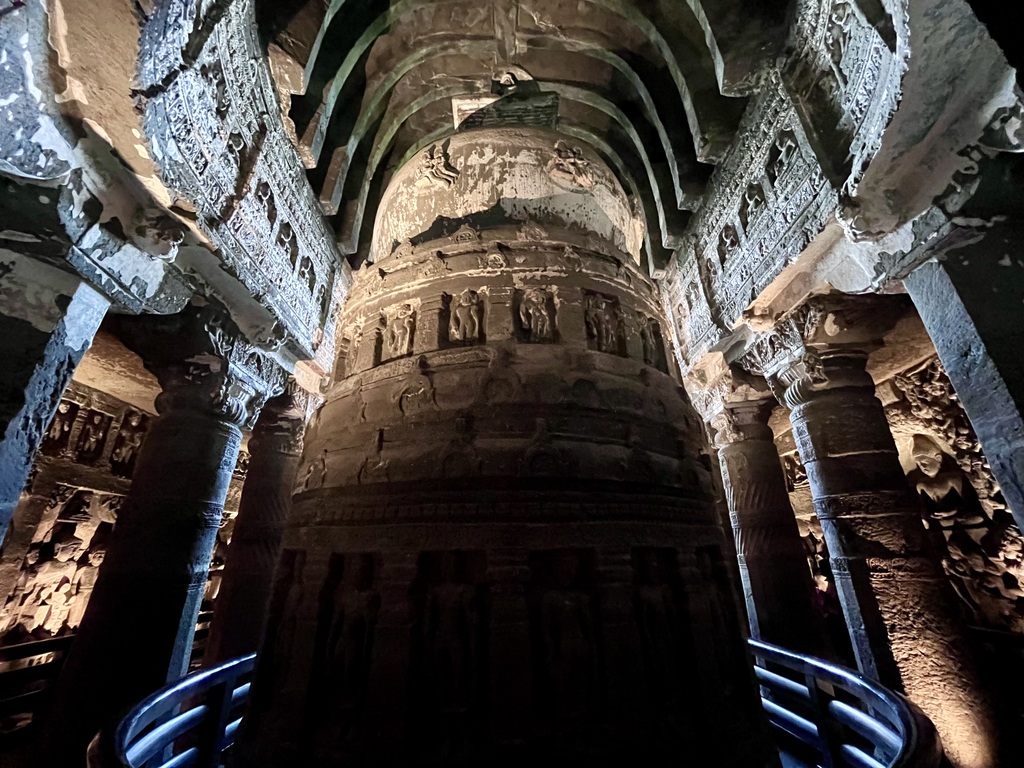
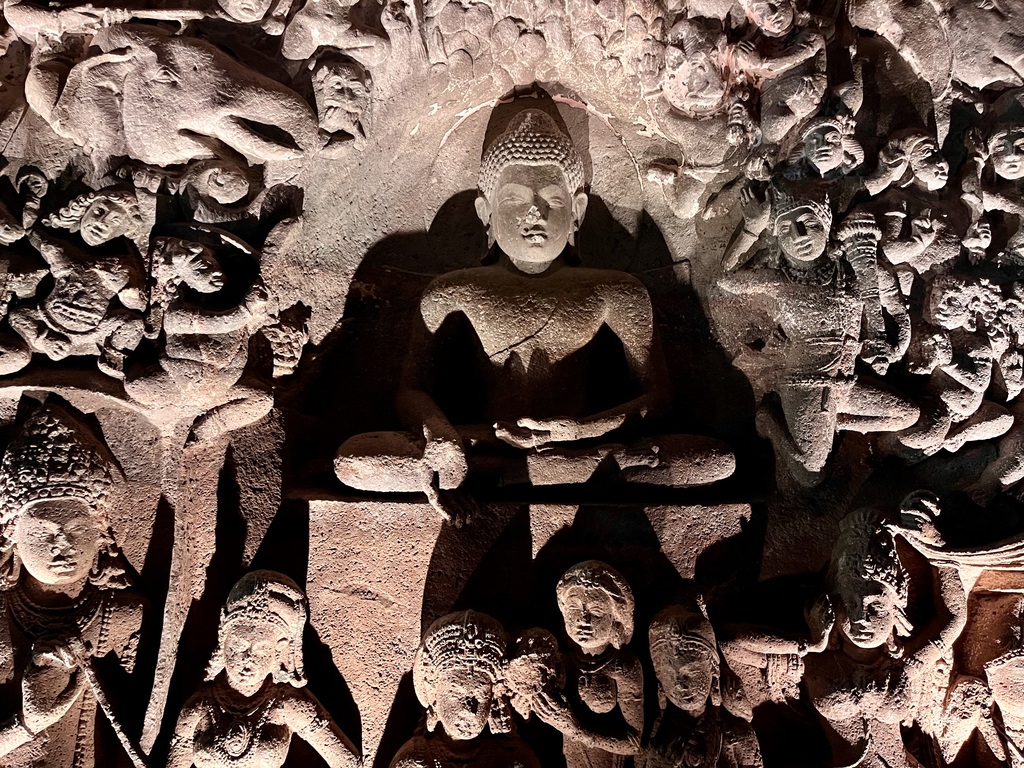
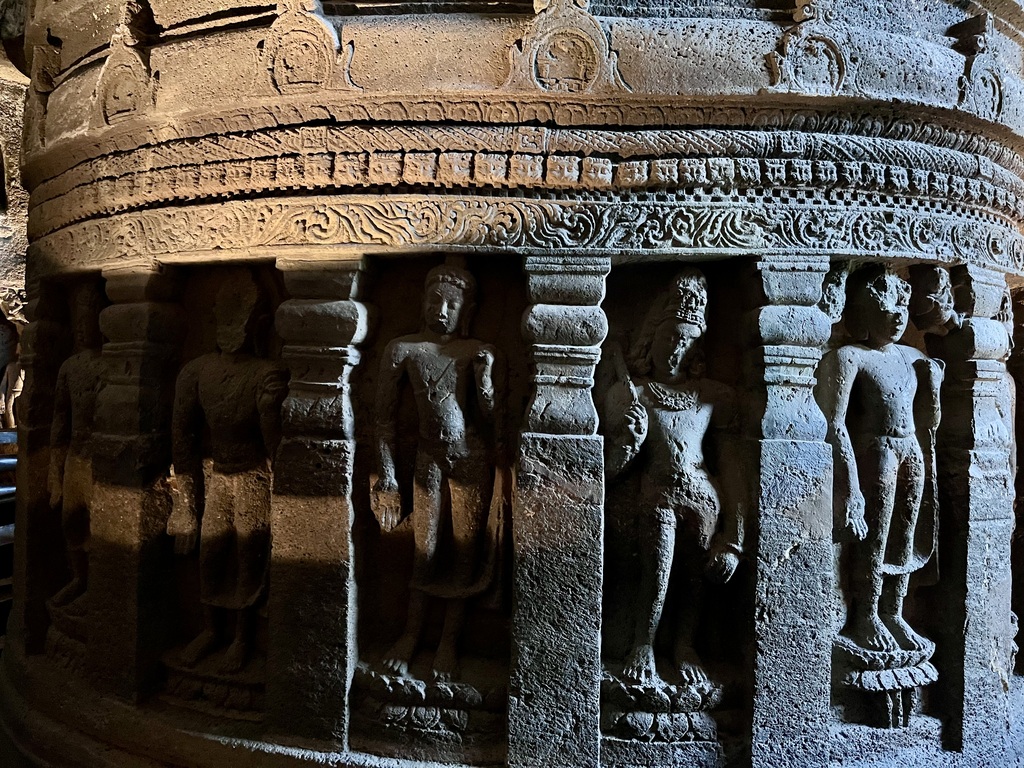
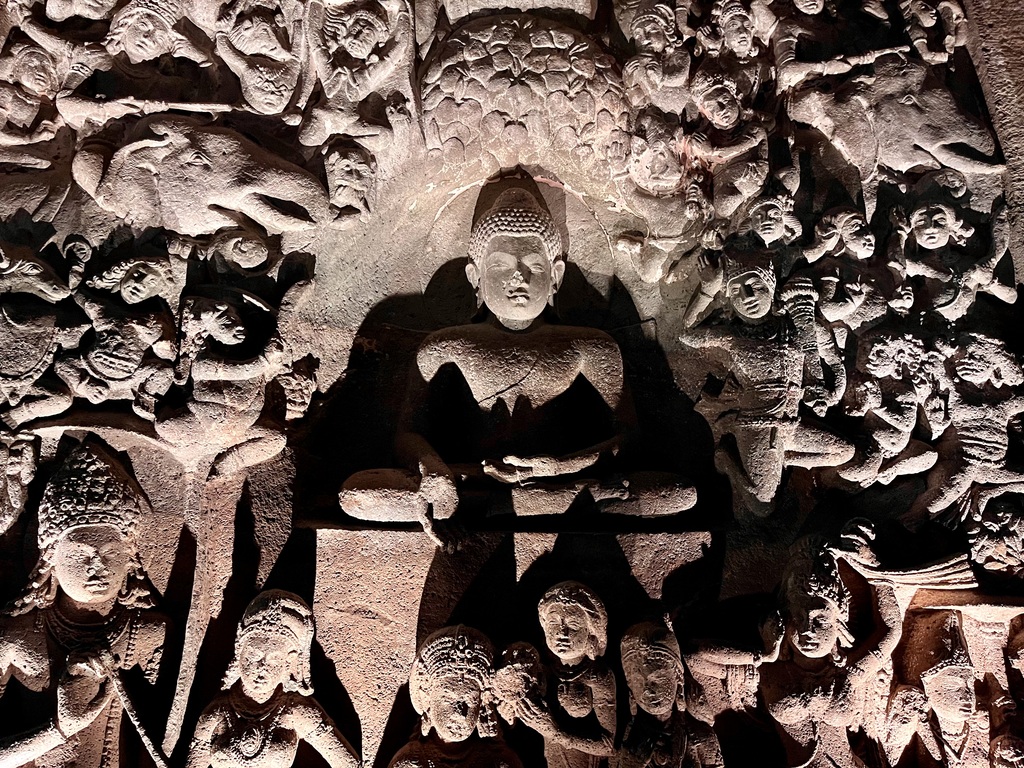
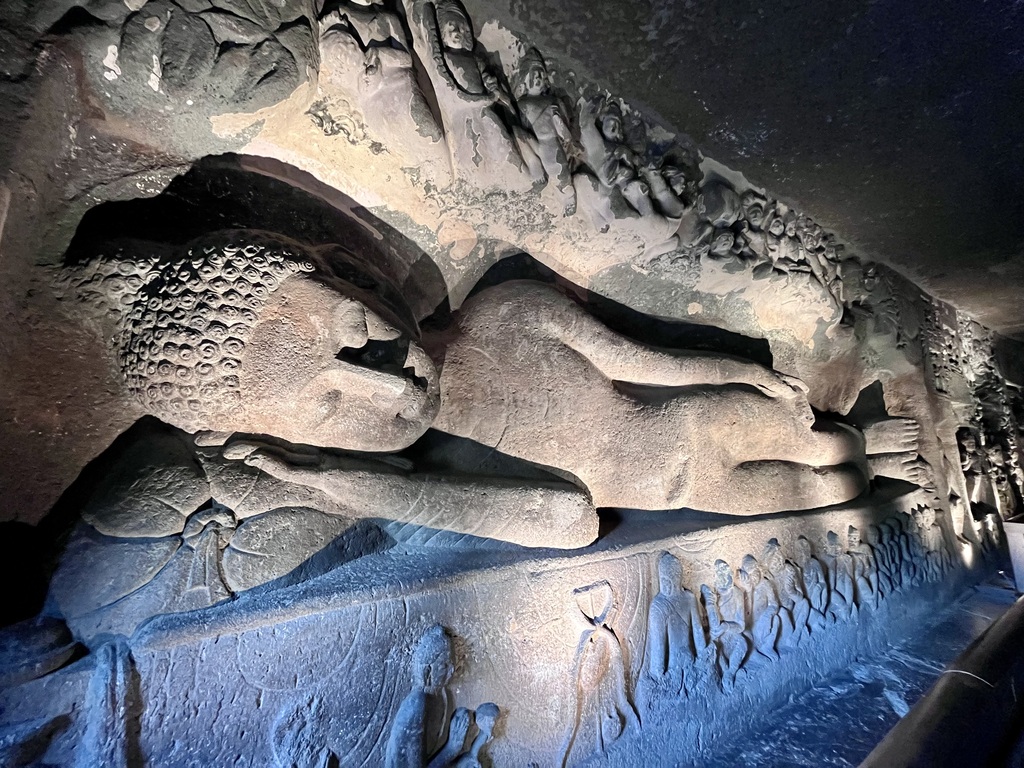
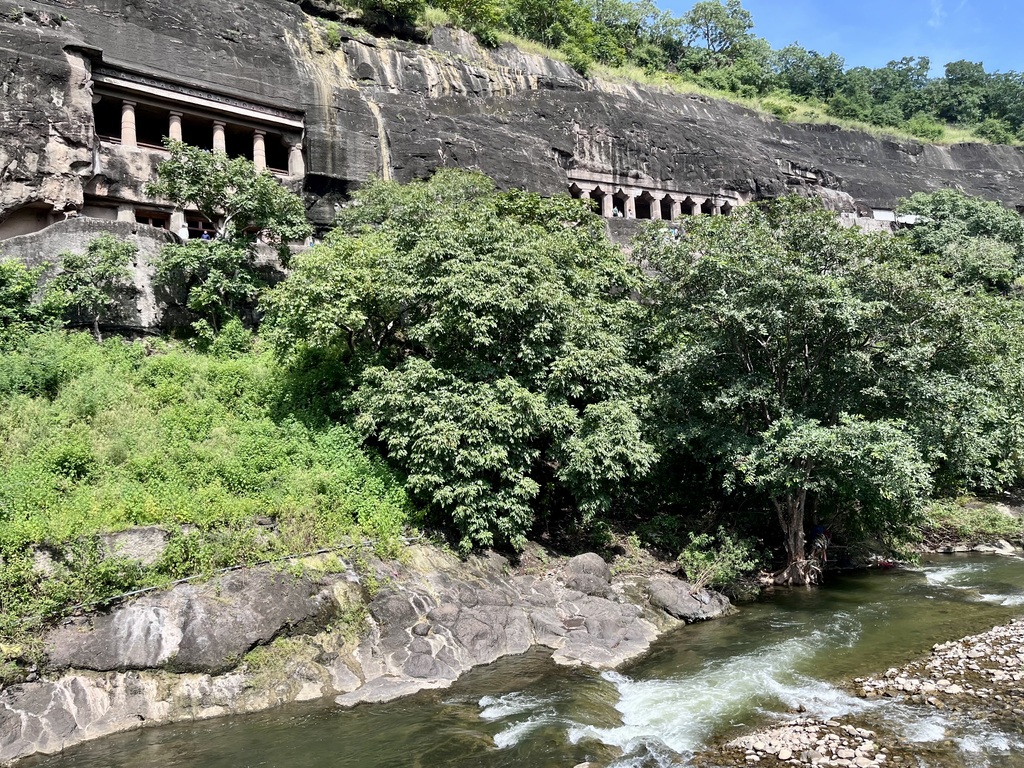
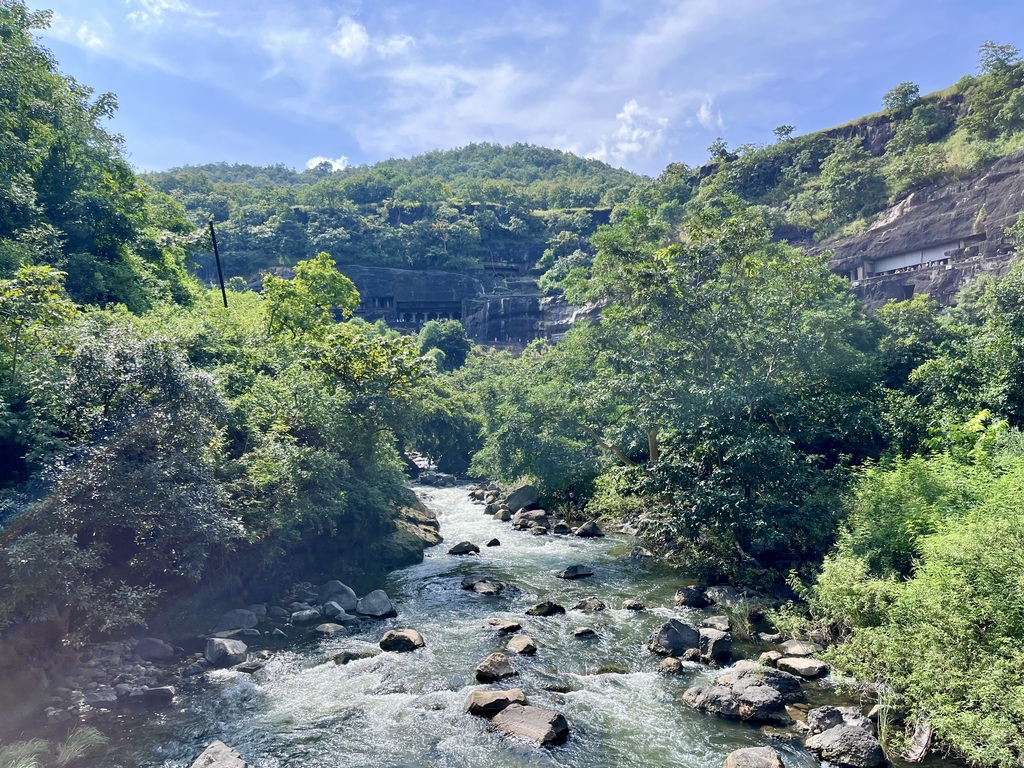
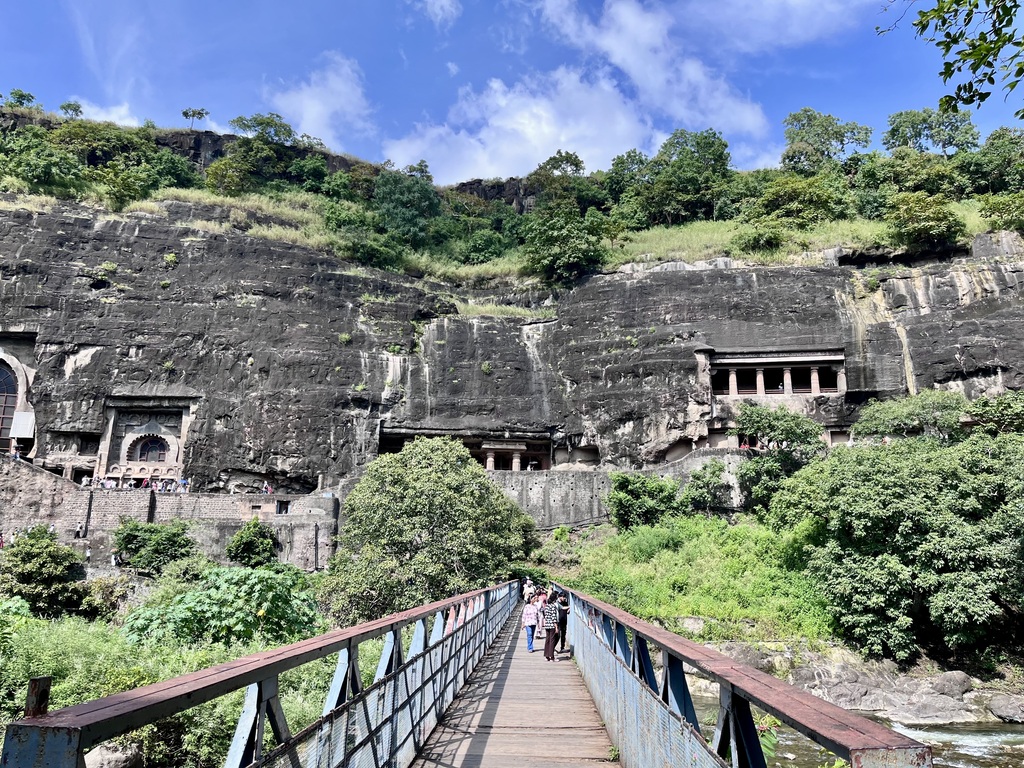
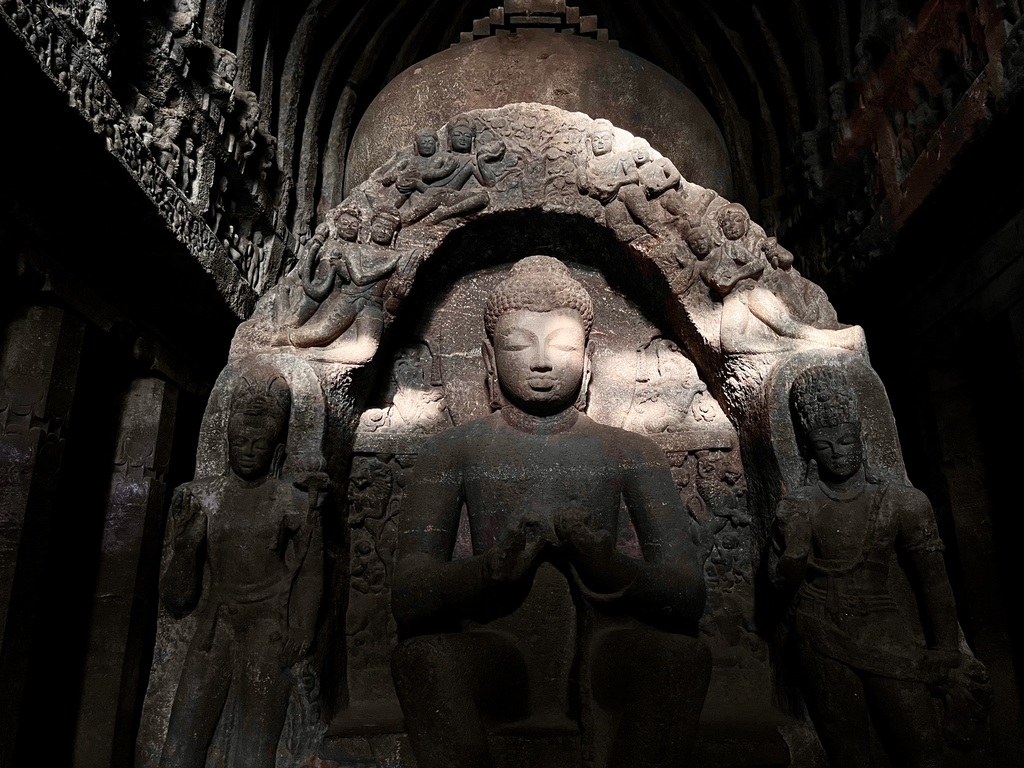
| More Information: | Today, we begin a journey to one of India’s most extraordinary heritage sites—the Ajanta Caves in Maharashtra. These caves are far more than stone carvings and ancient paintings; they are a window into a civilization that existed over 2,000 years ago, preserving stories, beliefs, and artistic brilliance in every corner. The complex consists of around 29 rock-cut Buddhist caves, created between the 2nd century BCE and the 6th century CE. What makes Ajanta globally renowned is the seamless blend of architecture, sculpture, and painting, all meticulously carved by hand into solid basalt rock. For centuries, this magnificent site remained hidden from the world until its rediscovery in 1819 by a British army officer during a hunting expedition. These caves were designed to serve multiple purposes, functioning as monasteries, prayer halls, and residential spaces for Buddhist monks. Over time, they transformed into a spiritual gallery, with walls adorned by vibrant murals depicting scenes from the Jataka tales—the stories of the previous lives of Gautam Buddha. These tales present Buddha in various forms, both human and animal, each narrative carrying a moral lesson centered on virtues such as compassion, honesty, sacrifice, and wisdom. Whether portrayed as a selfless king, a wise animal, or a prince who renounces worldly life, these stories were meant to guide ordinary people towards leading a meaningful and ethical life. This is why such narratives are seen extensively throughout the caves, turning the entire complex into a visual scripture. The technique used to create these paintings is equally fascinating. Artists began by preparing the rough rock surface with a mixture of clay, cow dung, and rice husk to form a base layer. On top of this, a smoother lime coating was applied to create an ideal surface for painting. Skilled artisans then outlined figures using brushes before filling them with natural pigments sourced from minerals and organic materials, including red ochre, yellow earth, green stone powder, lamp black, and copper-based compounds. Additional layers were applied carefully, and detailed shading techniques were used to bring depth and realism to the artwork. Even after centuries, these paintings continue to reflect the remarkable precision and creativity of their creators. Although the site includes nearly thirty caves, around twenty-six are accessible today. Among them, certain caves are especially celebrated for their mural paintings, while others stand out for their intricate sculptures. Some caves, such as 9, 10, 19, and 26, were designed as Chaitya halls used for prayer and worship, while the rest functioned as Viharas, or monastic residences. This distinction highlights the dual role of Ajanta as both a spiritual center and a place of daily life for monks who lived and practiced here. The development of Ajanta took place in two major phases, each supported by different dynasties and reflecting distinct artistic and religious traditions. The earliest phase dates back to the Satavahana dynasty, between the 2nd century BCE and the 1st century CE. During this time, the caves followed the Theravada or Hinayana tradition, where Buddha was not depicted in human form but represented symbolically through elements like stupas. These early caves are relatively simple in design, with minimal decoration, focusing more on spiritual symbolism than artistic elaboration. Examples of this phase include the Chaitya halls of Caves 9 and 10 and the monastic Viharas of Caves 12, 13, and 15A, marking the foundation of Ajanta’s history. The second phase emerged several centuries later under the Vakataka dynasty during the reign of King Harishena in the 5th century CE. This period is often considered the golden age of Ajanta, when the caves became significantly more elaborate and artistically rich. Influenced by the Mahayana tradition, Buddha began to be represented in human form, and the caves were filled with detailed paintings, sculptures, and architectural elements. Many caves were sponsored by royal officials and local rulers, such as Cave 16 by the minister Varahadeva and Cave 17 by Prince Upendragupta. Most of the caves admired today were either created or expanded during this flourishing period, showcasing scenes from Jataka tales, royal life, and spiritual themes in vivid detail. However, this remarkable phase came to an abrupt end following the death of King Harishena. The decline of the Vakataka dynasty led to political instability, and local powers such as the Asmaka clan disrupted ongoing work. As a result, several caves were left incomplete, including Cave 24, offering a glimpse into the unfinished ambitions of the project. This sudden halt not only highlights the scale of vision behind Ajanta but also reflects how deeply such monumental works depended on continuous royal patronage and stability. Cave 1 greets visitors with a beautifully carved facade supported by six ornate pillars along the veranda, setting the tone for what lies inside. As you step through the grand entrance, a spacious square hall unfolds, creating an immediate sense of wonder. At the center, a magnificent image of Buddha faces the doorway, accompanied by his early disciples standing beside him in reverence. The surrounding walls are richly painted with detailed Jataka tales, transforming the cave into a visual narrative space. On the left side, the story of King Sibi is illustrated, where he appears as a compassionate Bodhisattva who sacrifices his own flesh to protect a helpless pigeon from a hawk. Nearby, another powerful scene shows Mara repeatedly attempting to disturb Buddha’s meditation through temptation, even sending his daughters, yet failing in the end. The artistic storytelling here is deeply expressive, and even without detailed interpretation, the beauty alone is captivating. A unique highlight is a pillar carving of four deer sharing a single head, cleverly arranged to create an illusion. On the right wall, the Miracle of Sravasti is depicted, showing Buddha manifesting in multiple forms. In the rear corridor, the painting of Padmapani stands out with a calm, meditative expression, surrounded by elegant figures and nature, while on the opposite side, Vajrapani appears richly adorned, though much of that artwork is now damaged. Cave 2 closely resembles Cave 1 in its architectural layout but carries its own artistic richness through decorative ceilings and mural-covered walls. As you enter, the left wall becomes a focal point, especially near the third doorway, where scenes related to Buddha’s birth are vividly portrayed. These paintings depict his final birth before enlightenment, including the symbolic dream of Queen Maya, where a six-tusked elephant enters her, followed by the birth scene in Lumbini. In this depiction, the newborn Buddha is shown walking on lotus flowers while divine beings honor him. Despite the passage of time and visible damage to many paintings, the storytelling remains powerful. On the right wall, although much of the artwork has deteriorated, faint imagery reveals a dramatic scene of a king punishing a woman who kneels and pleads for mercy. The ceiling decorations are especially striking, featuring patterns like a procession of geese arranged in rhythmic formation. Various ceiling panels also represent Buddha in multiple forms, from meditation to teaching, symbolizing different stages of enlightenment. Within the side chambers near the antechamber, figures such as Panchika and Hariti are present, representing protection, prosperity, and maternal care, adding another layer of symbolic meaning to the cave. Cave 3 stands as an incomplete effort, offering a glimpse into the process of rock-cut architecture. The large hall inside remains partially carved, with rough stone surfaces and unfinished pillars that highlight how the excavation work was left midway. Cave 4 is the largest monastery cave at Ajanta and creates a strong impression through its sheer scale. The entrance is decorated with carved figures, including Bodhisattvas, leading into a vast hall supported by 28 pillars. Unlike some other caves, the decorative elements here are minimal, giving more emphasis to the architectural space itself. The antechamber is particularly striking, lined with large standing Buddha figures that convey calmness and spiritual strength. Inside the shrine, Buddha is seated in a meditative posture, displaying symbolic hand gestures that reflect peace and enlightenment. Cave 5 remains unfinished, yet its entrance carvings are noteworthy. The doorway features artistic representations of a woman bending a tree branch, a motif symbolizing fertility, prosperity, and growth, which holds an important place in Buddhist art traditions. Cave 6 is unique due to its two-storey structure, offering a different spatial experience compared to other caves. The ground floor appears relatively simple, with plain pillars and a shrine housing a large seated Buddha in meditation. Though traces of paintings can still be seen, most have faded significantly over time. The upper level, reached by a staircase, presents a more elaborate setting with multiple Buddha sculptures carved along the walls, each displaying different hand gestures. The hall on this level includes a shrine, an antechamber, and simple pillars, while large Bodhisattva figures decorate the surroundings. Additional wall panels show Buddha accompanied by Bodhisattvas, along with niches that contain divine figures, giving the space a strong spiritual and artistic presence. Cave 7 is relatively small in size but still holds artistic charm through its detailed carvings. The entrance is narrow, leading into a simple sanctum where a seated Buddha in meditation becomes the focal point. What stands out here is the decoration around the doorway, where both sides are filled with rows of miniature Buddha figures carved with precision. Alongside the entrance, a few larger Buddha statues are also present, all depicted in calm meditative postures, giving the space a quiet spiritual presence despite its limited size. Cave 8 remains unfinished and does not offer much from a historical or artistic perspective today. It has been repurposed for modern utility use, and as a result, visitors will not find any significant carvings, paintings, or architectural features to explore here. Cave 9 is one of the earliest prayer halls at Ajanta, dating back to around the 2nd century BCE and representing the initial phase of Buddhist rock-cut architecture. This cave was designed specifically for worship rather than residence, which becomes evident in its layout. As you step inside, a long hall stretches ahead with a central walking path flanked by rows of pillars on both sides, creating side aisles. At the far end stands a stupa, which serves as the central object of devotion. The ceiling was originally crafted to imitate wooden beams despite being carved from stone, though much of this has been restored in modern times, along with the pillars that now appear plain. Traces of ancient paintings and carvings still exist, although many have faded. Later additions from the Mahayana period introduced images of Buddha, blending different phases of artistic evolution within the same space. Cave 10 is considered the oldest Chaitya hall at Ajanta and is likely the earliest excavation at the site, also dating back to the early 2nd century BCE. Similar in design to Cave 9 but larger in scale, it features a spacious prayer hall with rows of pillars guiding the eye toward the stupa at the end. The simplicity of the structure reflects the early stage of Buddhist worship practices. One notable architectural feature is the large horseshoe-shaped window above the entrance, which allows natural light to softly illuminate the interior. This cave also preserves some of the oldest surviving paintings at Ajanta. On the left wall, a partially faded scene depicts a royal procession with attendants, dancers, and musicians. Even though time has worn down the details, elements like clothing, ornaments, and hairstyles still provide valuable insight into life during that period. Cave 11 presents a modest yet functional monastic space. The entrance area contains traces of paintings, though most are now damaged. The ceiling of the veranda still retains decorative floral patterns, resembling the artistic style seen in earlier caves. Inside, the cave features a shrine with a seated Buddha in meditation. Unlike some other caves, it does not include an antechamber, but it does have multiple small cells along the sides, which were used by monks for living, reflecting the typical structure of a vihara. Cave 12 is a simple example of a Hinayana-style monastery, focusing more on functionality than decoration. The layout includes cells on three sides, each equipped with stone platforms that served as beds for monks. The overall design is minimal, emphasizing the practical needs of monastic life rather than elaborate artistic expression. Cave 13 also served as a vihara but is smaller in comparison, containing only a limited number of cells. Each of these cells includes stone beds, indicating their use as living quarters for monks. The simplicity of this cave highlights the basic lifestyle followed during that period. Cave 14 is not always accessible to visitors and may remain closed or difficult to locate during a visit. As a result, it is often skipped in the exploration of Ajanta, leaving limited opportunity to observe its features. Cave 15 is a modest Buddhist monastery that includes a small shrine along with an antechamber. While the structure itself is simple, traces of paintings can still be seen on the ceiling of the antechamber, though they are gradually fading with time. Despite the limited decoration, the cave reflects the typical layout of a vihara, designed for monastic use and quiet meditation. Cave 16 is located at a scenic point that offers a beautiful view of the river below, adding to its overall appeal. As you approach, you pass through an entrance marked by carved elephants on either side, and remnants of an ancient stairway leading down toward the river can still be observed, suggesting it may have once served as the original access route. This cave stands out for its impressive architectural design, with an inscription indicating that it was commissioned by a royal minister as a spiritual offering. The veranda is supported by octagonal pillars, and the ceiling is crafted to resemble wooden beams, even though it is entirely carved from rock. Natural light filters through square openings, illuminating the Buddha statue within the sanctum. Although only fragments of paintings survive today, they still convey important episodes from Buddha’s early life, including his youth, education, and moments of reflection after witnessing the hardships of ordinary people. Scenes of Queen Maya and royal discussions surrounding her dream are also depicted. One of the most emotionally powerful artworks here is the painting often referred to as the “Dying Princess,” believed to represent Sundari, whose sorrow reflects the emotional depth achieved by the artists of Ajanta. Cave 17 closely resembles Cave 16 in structure but is even richer in artistic detail, making it one of the finest caves at Ajanta. Its entrance is beautifully adorned with decorative panels and graceful female figures, setting the tone for the remarkable artwork inside. This cave contains one of the largest collections of well-preserved paintings, covering nearly every surface, including walls, ceilings, and corridors. At the portico, the famous depiction of the “Wheel of Life” illustrates the cycle of human existence, while nearby scenes portray royal life, including a prince offering wine before departing toward the city. Celestial beings such as gandharvas and apsaras are also elegantly illustrated. On the right wall, a dramatic scene shows Buddha calming a raging elephant, symbolizing the triumph of peace over aggression. Inside, numerous Jataka tales are presented, including stories of sacrifice and generosity, such as a Bodhisattva offering his tusks and Prince Vessantara giving away everything he possesses. Another detailed composition narrates the journey of Prince Simhala, depicting ships, celebrations, and his eventual rise to kingship. Among these, a unique and delicate scene portrays a woman looking into a mirror, capturing a moment of everyday life. In the antechamber, the deeply moving painting of a mother presenting her child before Buddha reflects tenderness and emotional connection, making it one of the most memorable artworks in the cave. Cave 18 is extremely small and simple in form, resembling more of a passage or porch than a fully developed cave. It does not contain significant sculptures, paintings, or interior spaces, which is why it is often overlooked by visitors exploring the complex. Cave 19 is one of the most striking Chaitya halls from the later Mahayana period and is widely admired for its artistic richness. The facade is intricately carved, filled with large sculpted figures of Buddha, while the prominent horseshoe-shaped window enhances its grandeur. Often described as a sculptural masterpiece, the cave reflects the peak of craftsmanship at Ajanta. Inside, the prayer hall is beautifully structured with rows of elaborately carved pillars leading toward the stupa at the end. Unlike earlier caves where Buddha was represented symbolically, this cave features a standing image of Buddha attached to the stupa, marking the transition to human representation during the Mahayana phase. The interiors are richly decorated with carvings and figures, creating a grand and immersive spiritual atmosphere. Cave 20 is a relatively small monastery from the later Mahayana phase, yet it carries a refined sense of artistry in its details. The verandah appears simple at first glance with plain pillars, but the upper portions are decorated with striking female figures that immediately draw attention. As you move inside, the hall is supported by pillars with carefully carved capitals, again featuring elegant female forms that add a graceful character to the space. At the center lies the sanctum, where a seated Buddha in meditation becomes the focal point. Although the ceiling once displayed painted decorations, most of them have deteriorated over time. Along the walls, niches containing images of Buddha and Bodhisattvas can still be observed, preserving the spiritual essence of the cave. Cave 21 reflects a balance between simplicity and artistic refinement, representing a later Mahayana vihara designed for both residence and worship. The entrance features a verandah supported by four decorated pillars, with monastic cells positioned on either side, indicating its use by monks. Inside, the hall is structured with pillars that carry neatly carved capitals and subtle decorative patterns. The sanctum houses a meditative Buddha figure, serving as the spiritual center of the cave, while additional cells are arranged around the hall in typical vihara style. Though many of the paintings and carvings have suffered damage, traces of their original beauty remain. Compared to the larger and more elaborate caves, this one offers a quieter and more peaceful atmosphere while still maintaining artistic depth. Cave 22 appears partly unfinished and presents a more understated architectural form. The cave begins with a long verandah that includes two side porches, each supported by a pair of pillars, with the outer pillars showing more decoration near the top. As you step inside, the interior feels plain and incomplete, with only a few pillars and minimal ornamentation. Unlike many other caves, the sanctum here does not contain a central Buddha image, which makes it unusual. The presence of side cells, including some that remain unfinished, clearly indicates that the excavation work was left midway, offering insight into the construction process. Caves 23 and 25 are not easily accessible during a typical visit, as there are no clear entry points or proper signboards guiding visitors. Some of the pathways and staircases leading toward these caves are restricted or covered, which prevents exploration. Because of this limited access, most visitors miss these caves entirely, and very little can be observed about them on-site. Cave 24 stands out as one of the largest monasteries at Ajanta and is considered the second largest cave in the entire complex. Had it been completed, it would likely have been among the most impressive structures here. The cave features a long verandah with side porches on both ends, each supported by pillars that display a slightly reddish tone and more detailed carvings near the upper sections. The craftsmanship is especially visible in the bracket capitals and the door lintel, where finely carved figures reflect the high level of artistic skill. However, once inside, the unfinished nature becomes evident, as the hall appears plain and lacks full development. Despite this, several cells can still be seen around the interior, indicating their intended use for monastic living and giving a clear sense of the original plan behind the structure. Cave 26 at Ajanta represents one of the most refined examples of a chaitya hall from the later Mahayana phase, reflecting the peak of artistic and spiritual expression in Buddhist rock-cut architecture. It also marks the final cave accessible to visitors along the main sequence, giving it a sense of conclusion in the journey through Ajanta. The exterior immediately draws attention with its elaborate carvings and richly decorated facade, where multiple images of the Buddha and intricate sculptural details create a powerful first impression. Above the entrance, a large horseshoe-shaped window allows natural light to flow into the interior, a signature element of chaitya halls that enhances the sacred atmosphere inside. Stepping into the cave, the space opens into a long and expansive prayer hall lined with symmetrical rows of pillars guiding the eye toward the far end. Compared to earlier caves, the scale feels more grand and the surfaces are densely adorned, creating an immersive environment where art and devotion merge seamlessly. At the terminal point stands a stupa accompanied by a seated image of the Buddha, symbolizing a significant evolution in Buddhist worship practices. In earlier periods, the Buddha was represented through symbolic forms, but here his human depiction reflects the shift toward direct reverence, highlighting the transformation in religious expression over time. One of the most striking features is the massive reclining Buddha carved along the wall, portraying the moment of Mahaparinirvana, his final departure from the worldly realm. Surrounding figures, including royal personalities and devoted monks, are shown in deep emotional states, capturing grief and reverence with remarkable sensitivity and artistic depth. On the same surface, another elaborate scene depicts the episode of temptation, where Mara and his forces attempt to disrupt the Buddha’s meditation. The contrast between chaos and calm is vividly presented, as distractions fail and the meditative resolve remains unshaken, adding both narrative richness and symbolic meaning to the carvings. The sculptural work throughout the cave is intense and expressive, with deep carvings that create dramatic light and shadow effects, making the entire space feel alive with movement and emotion. This combination of scale, storytelling, and craftsmanship makes Cave 26 one of the most powerful experiences within Ajanta. Recognized globally, the Ajanta Caves were designated as a UNESCO World Heritage Site in 1983, celebrating their immense cultural, artistic, and historical significance. They continue to stand as a timeless representation of India’s creative excellence and spiritual heritage, attracting visitors from across the world. The journey does not end here, as there is an additional viewpoint waiting ahead for those willing to explore further. Crossing a small bridge over the Waghora River and climbing a series of steps leads to a higher vantage point where anticipation builds with every step. At the top, the reward is a breathtaking panoramic view of the entire horseshoe-shaped formation of the caves, accompanied by the sight of a cascading waterfall and the surrounding natural beauty. The scene brings together architecture and landscape in a way that leaves a lasting impression. Ajanta is more than just a historical site; it is a place where stone narrates stories of devotion, art, and time itself. For anyone visiting Maharashtra, this destination offers an unforgettable blend of history, spirituality, and visual grandeur that should not be missed. |
| Tags | Spiritual destination Ancient India Historical destination Indian architecture |
Picture Gallery











All Comments
No Comments Available