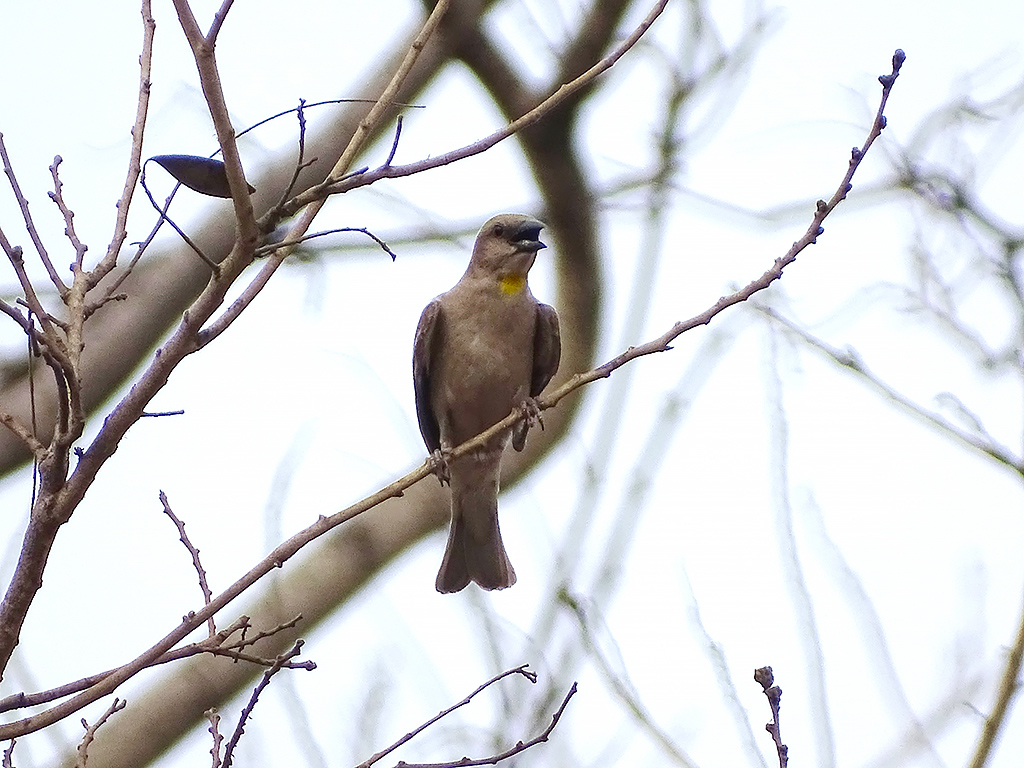
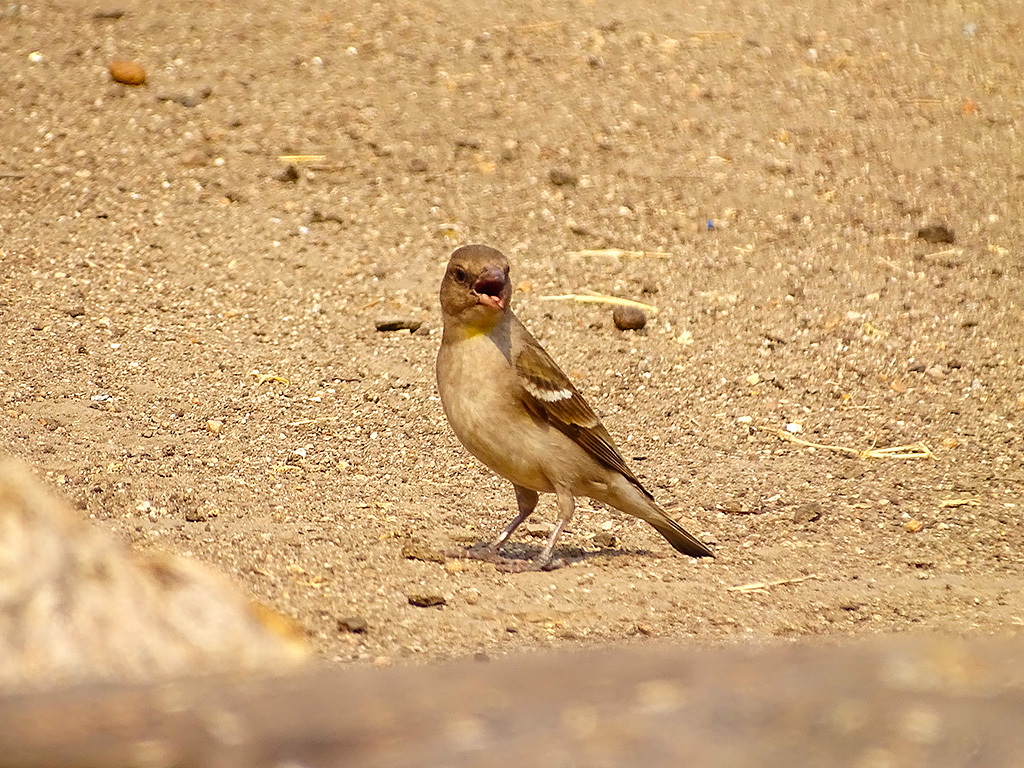
Yellow-throated sparrow
Muthyala Maduvu, Anekal,Karnataka


Daroji Sloth Bear Sanctuary, Hampi,Karnataka
It is such a cute little sparrow, which I feel has a distinct appearance that attracted me every time. I found it inside the Daroji Sloth Bear Sanctuary, foraging on the ground with a companion. Not too shy, but somewhat restless, the bird hopped around with Jungle Babblers, occasionally flying and sitting on a nearby tree branch.
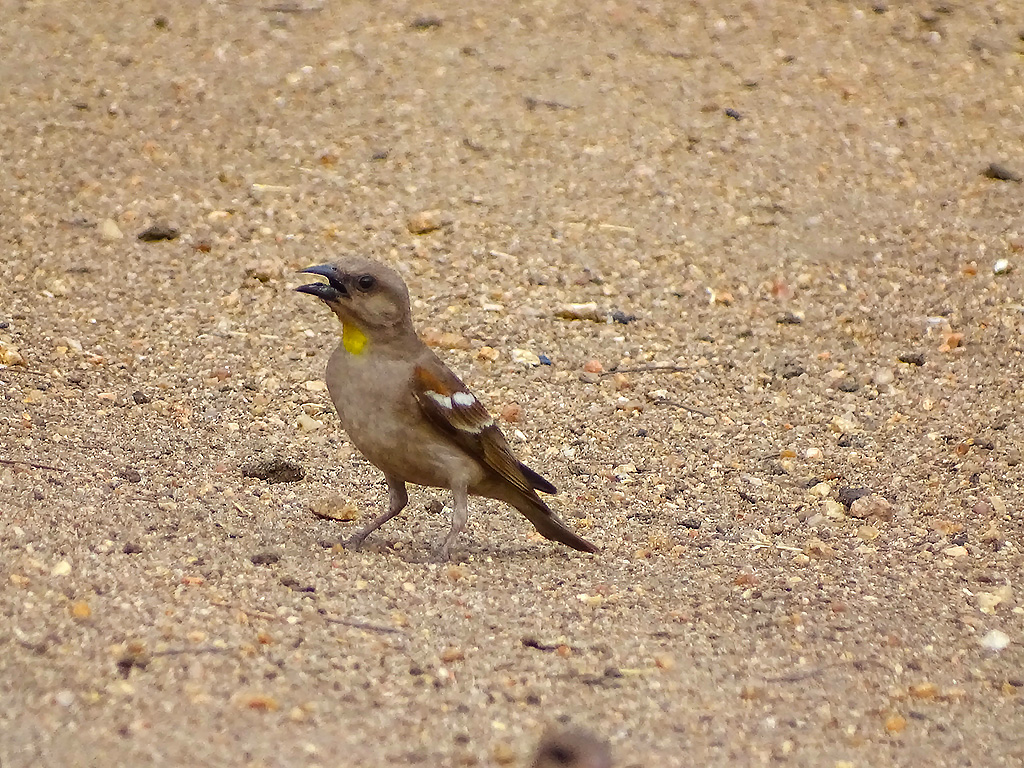
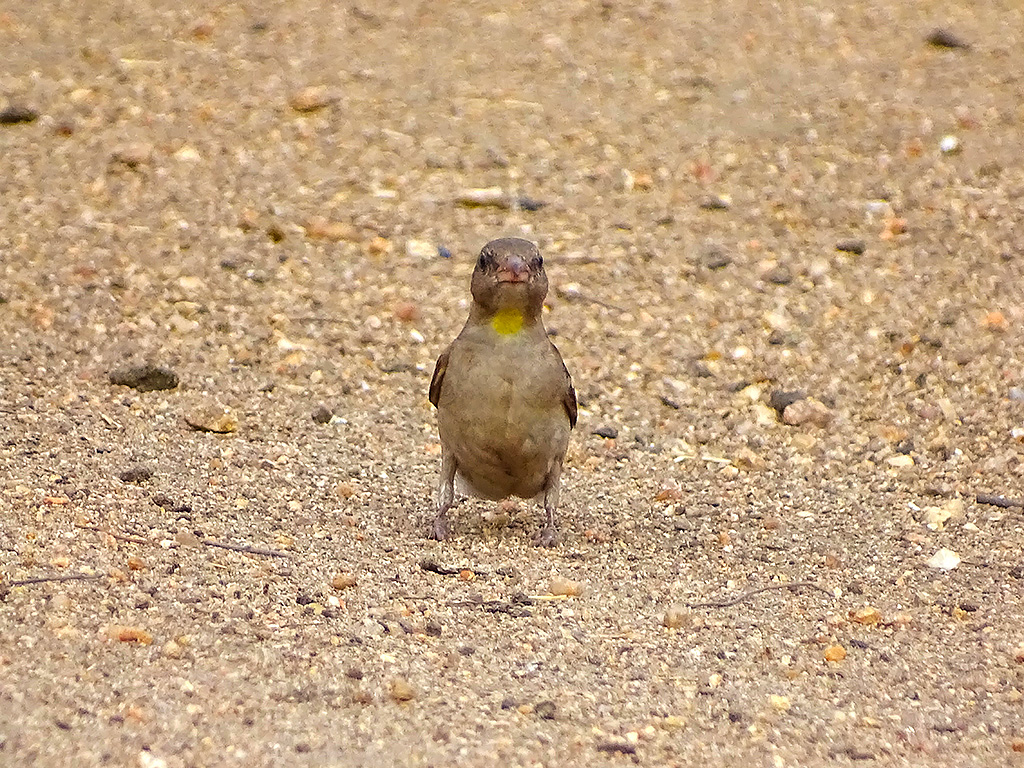
The first two pictures show a male bird with a prominent yellow throat. I love this bird because of its distinctive wingbar and tailband. The third and fourth pictures show the female, which does not have a yellow throat but has a similar build to the male bird.
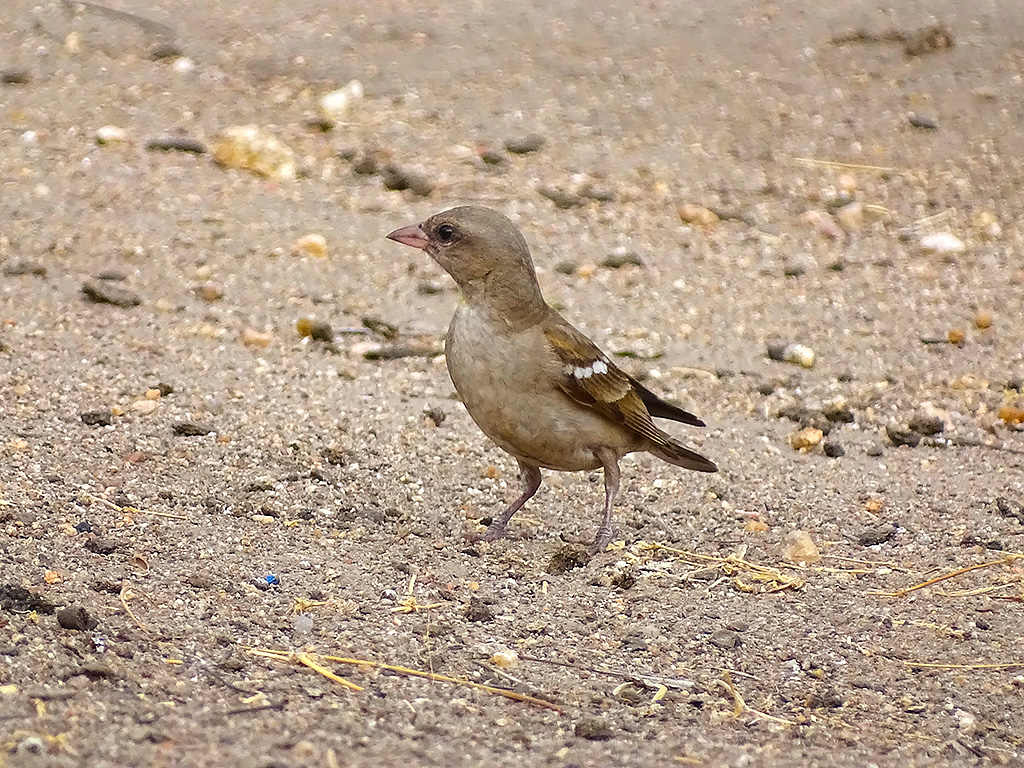
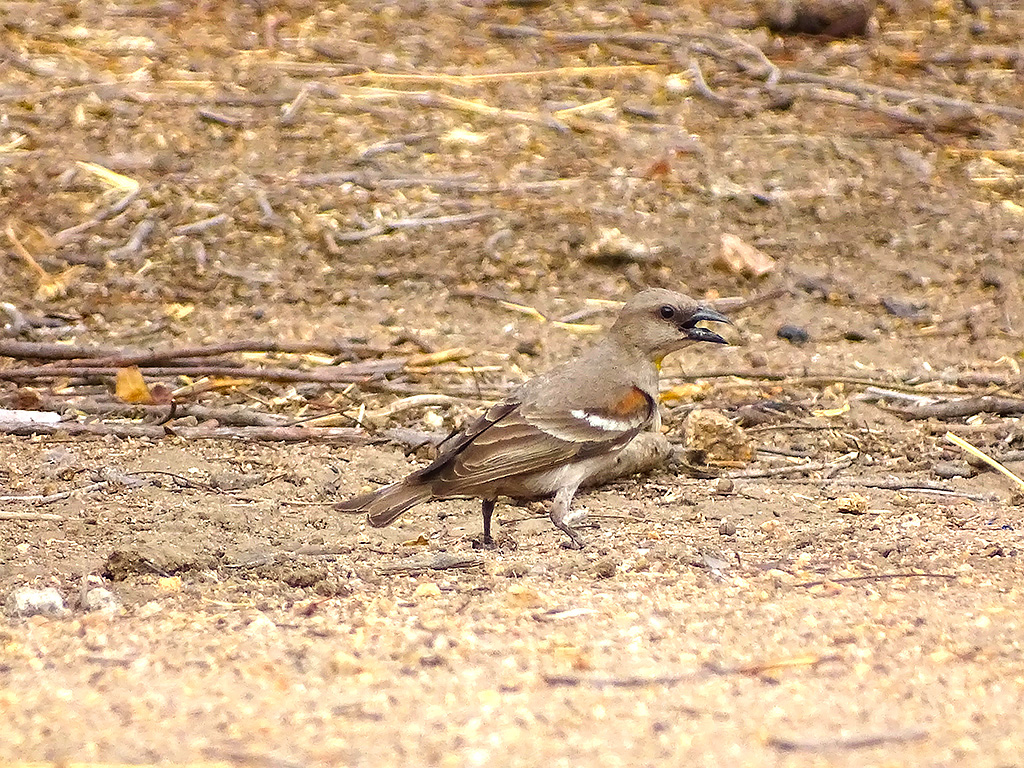
We saw it only in the Daroji Sloth Bear Sanctuary, despite roaming through various habitats in Hampi. This is one of the birds I used to wish to photograph in my early birdwatching days. At that time, living in Kolkata, I never imagined that someday I would travel to Karnataka and see this bird. I was actually drawn to the beautiful pictures of this bird on social media. Now, when I think about the fact that I also have this bird recorded on my website, I feel a sense of peace inside.