Yellow-throated bulbul
Matanga Hill, Hampi,Karnataka
This is an endemic species of Hampi, Karnataka. When someone visits Hampi for birding for the first time, they definitely target this species, and you won't believe how specific the habitat of this bird is. It can be found 99% of the time on Matanga Hill, in the Hampi ruins, throughout the year. I was so excited to watch this bird, even though it is a bulbul. After we finished watching the sunrise, we started climbing down the hill steps and were expecting to see this bird. At first, I thought it would be difficult to spot, but then I realized it’s not hard to find and is not rare in that area. Even though our guide said it can be found throughout the year, I would still say that March is the best time to see it.
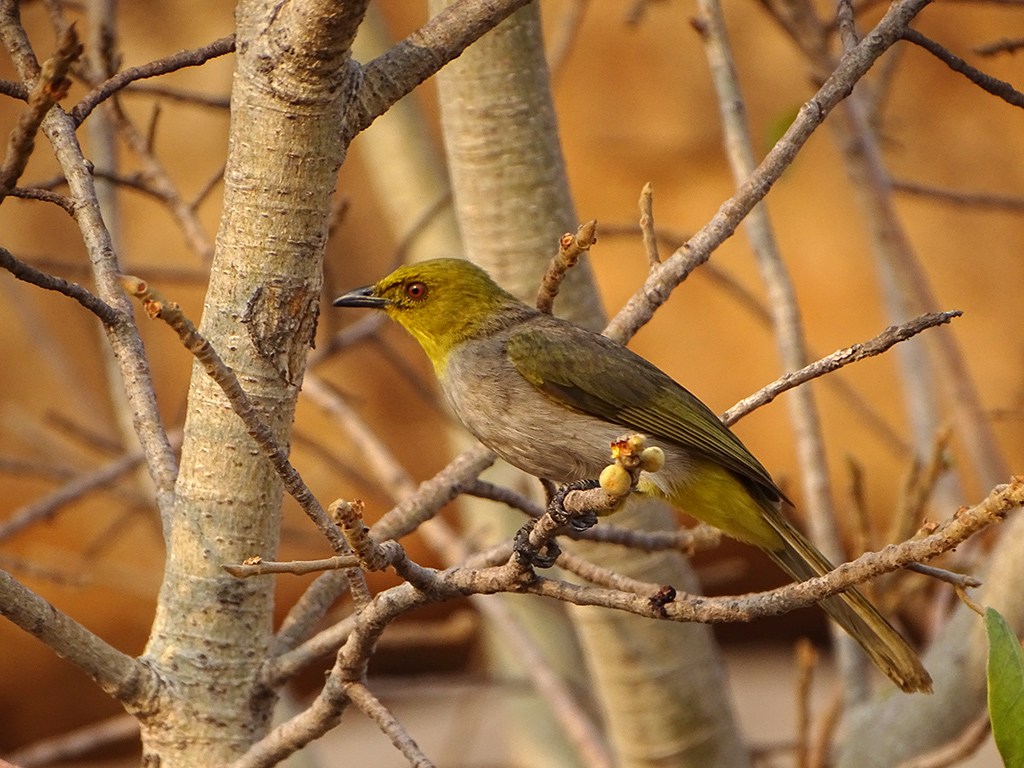
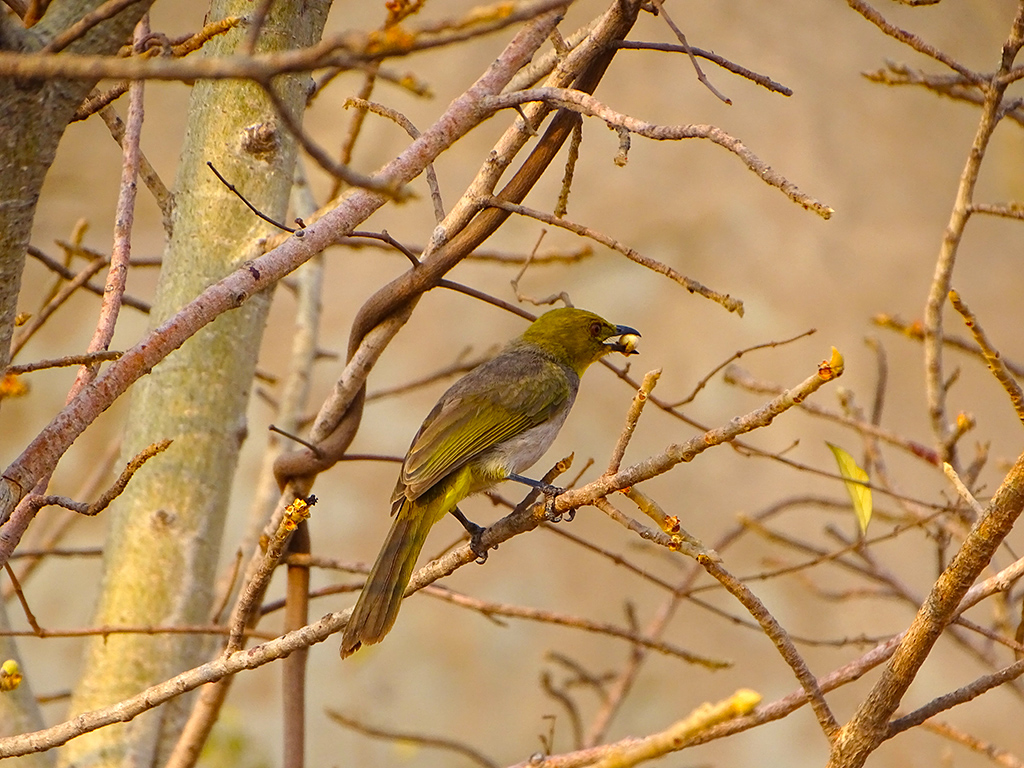
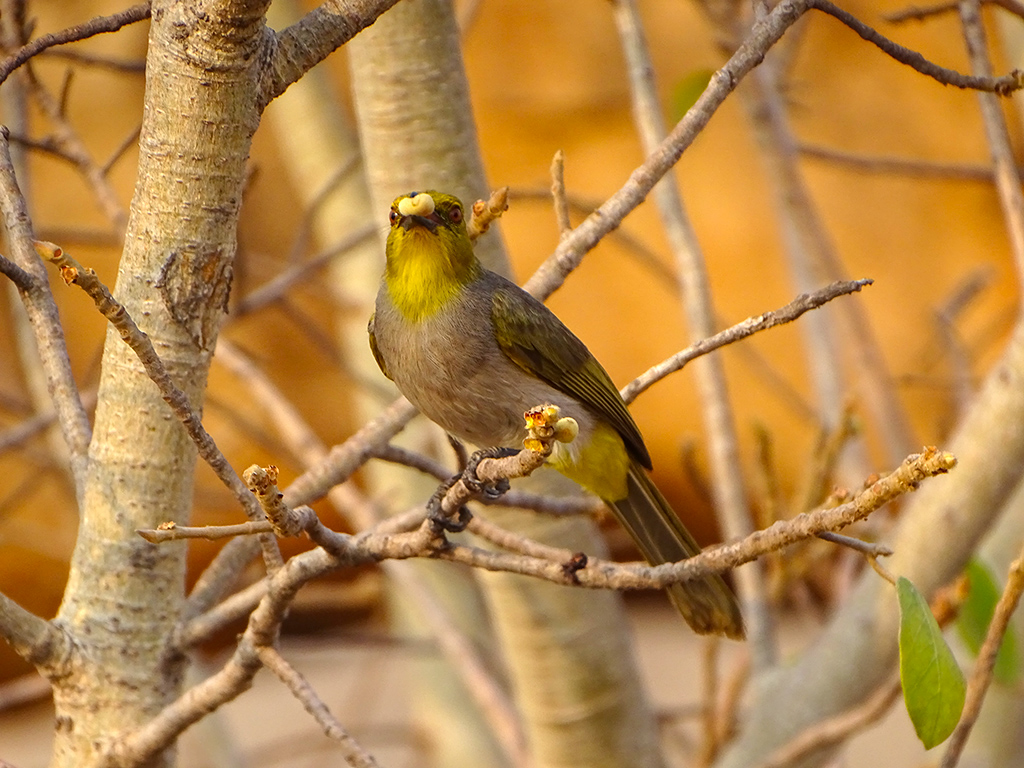
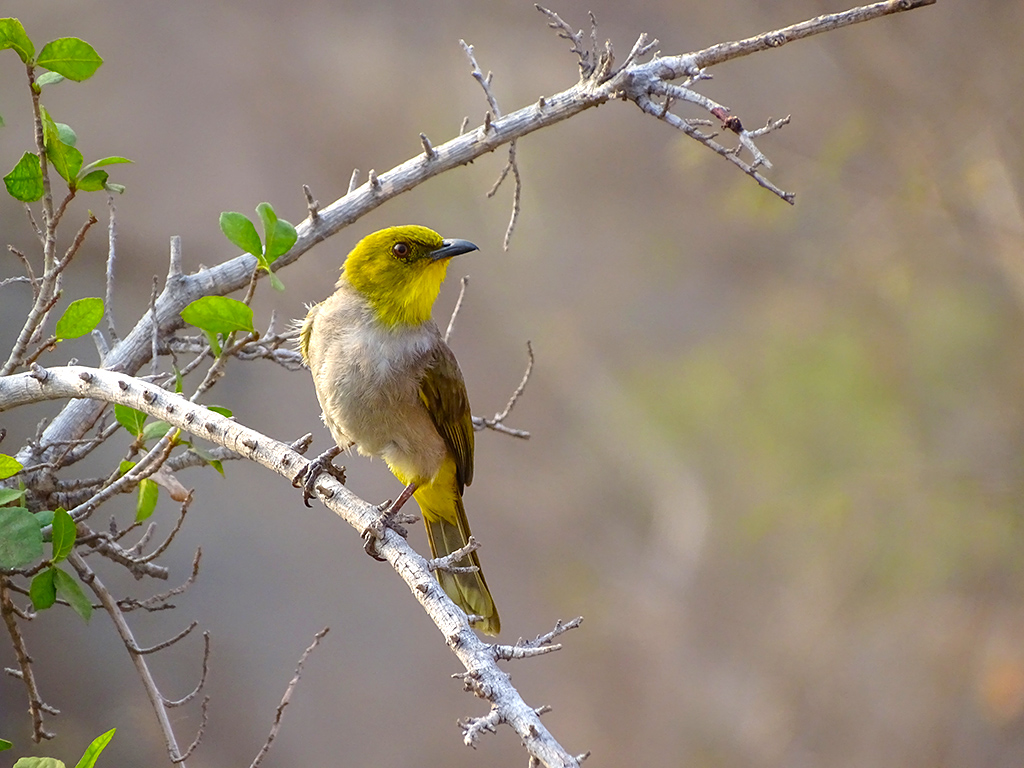
I started taking pictures amidst the clutter because I thought I shouldn’t miss a single opportunity. However, our guide calmed me down and suggested that we go to a particular area where this bird comes for water. It was behind a large rock next to the temple, where people generally don’t go. I understood that they maintain the area to create a natural habitat, pouring water into a rock bowl. I also noticed a tree full of fruits, and the bird came there for the fruit. It came multiple times, providing us with plenty of shots. It was a steady, medium-sized bulbul with an amazing contrast of yellow, white, and brown plumage, and it had red eyes. I was so happy to see it up close.
Kattagallu Sri Betta,Karnataka

