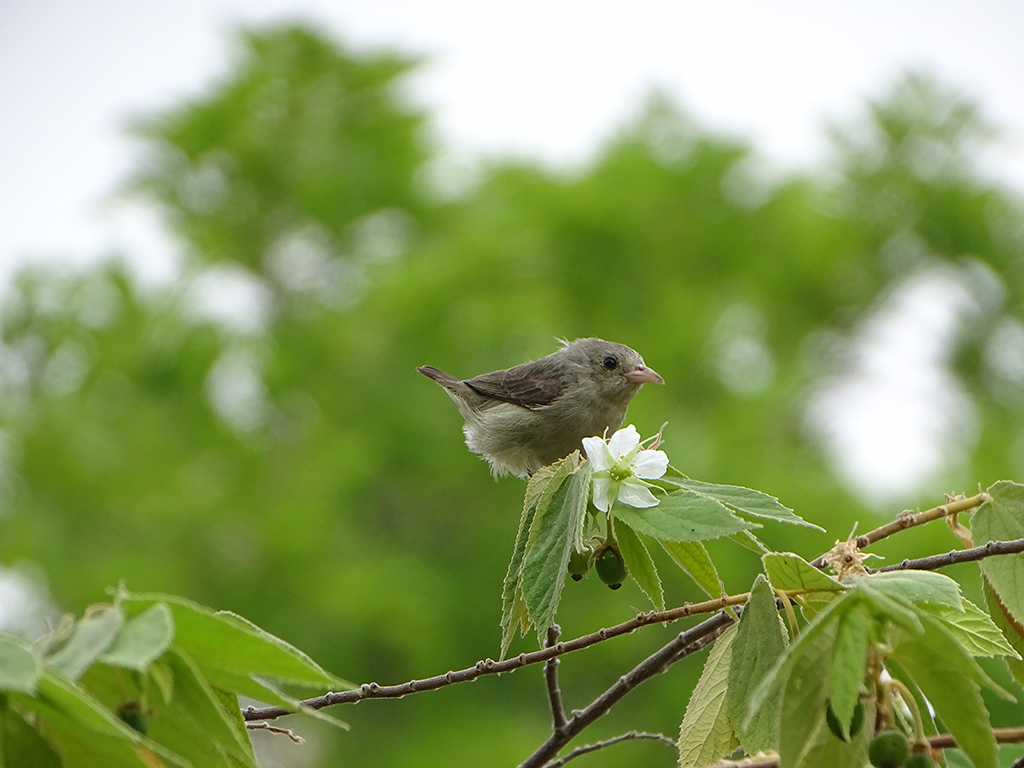
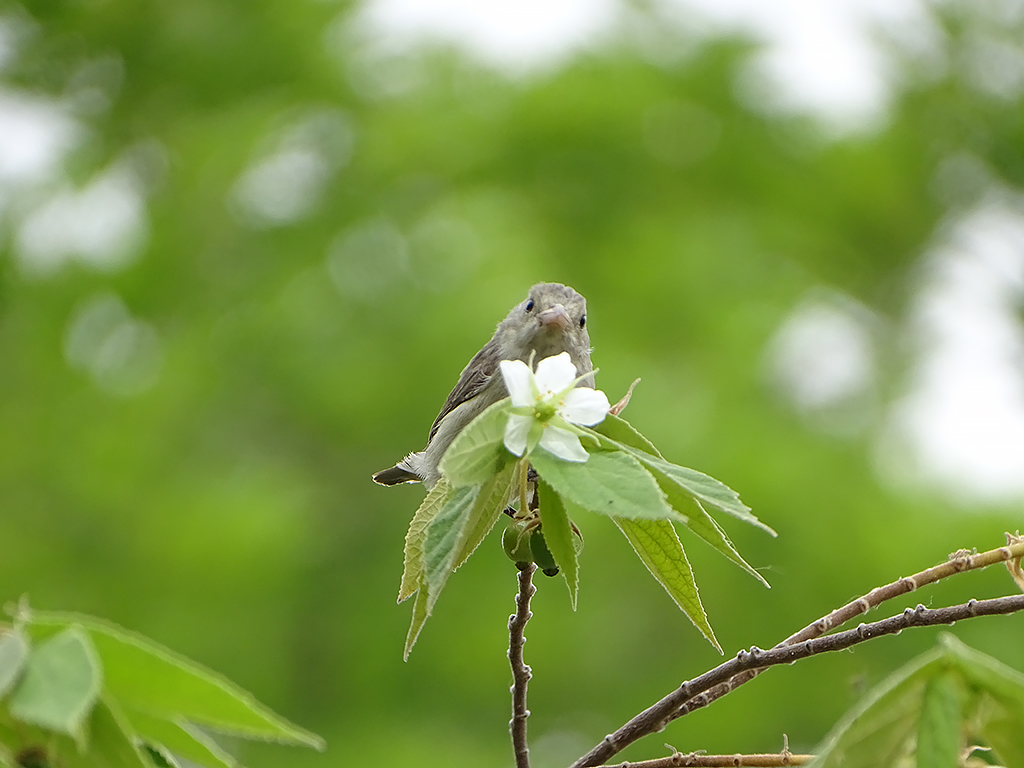
Pale-billed flowerpecker
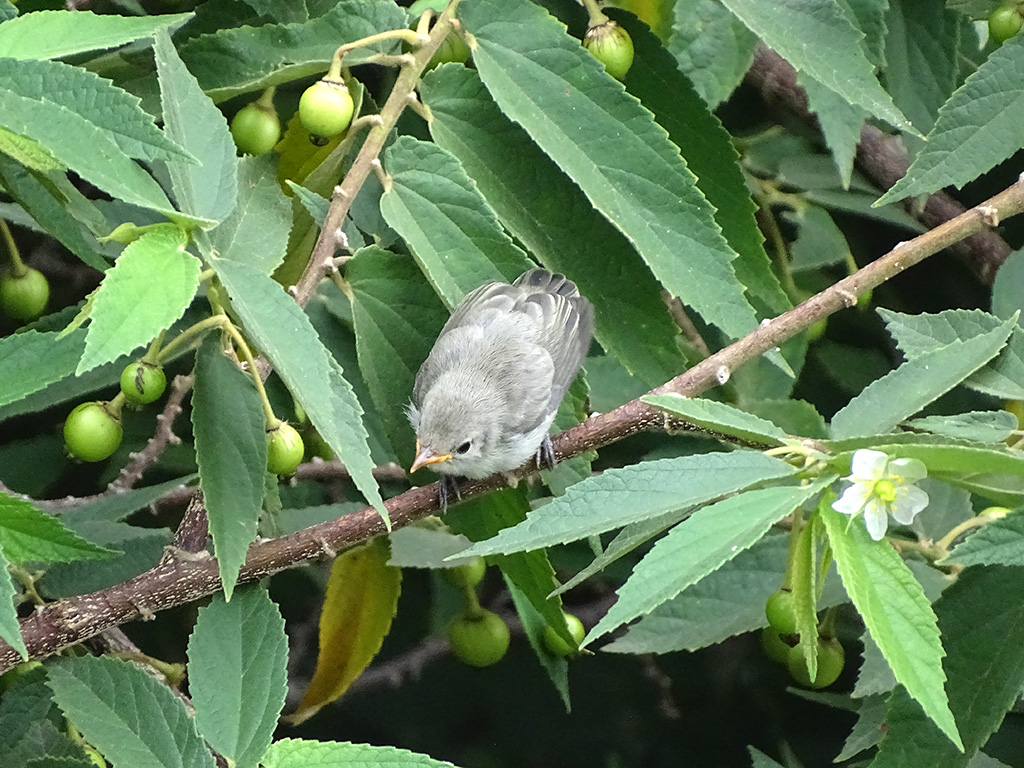
Madivala Kere,Karnataka
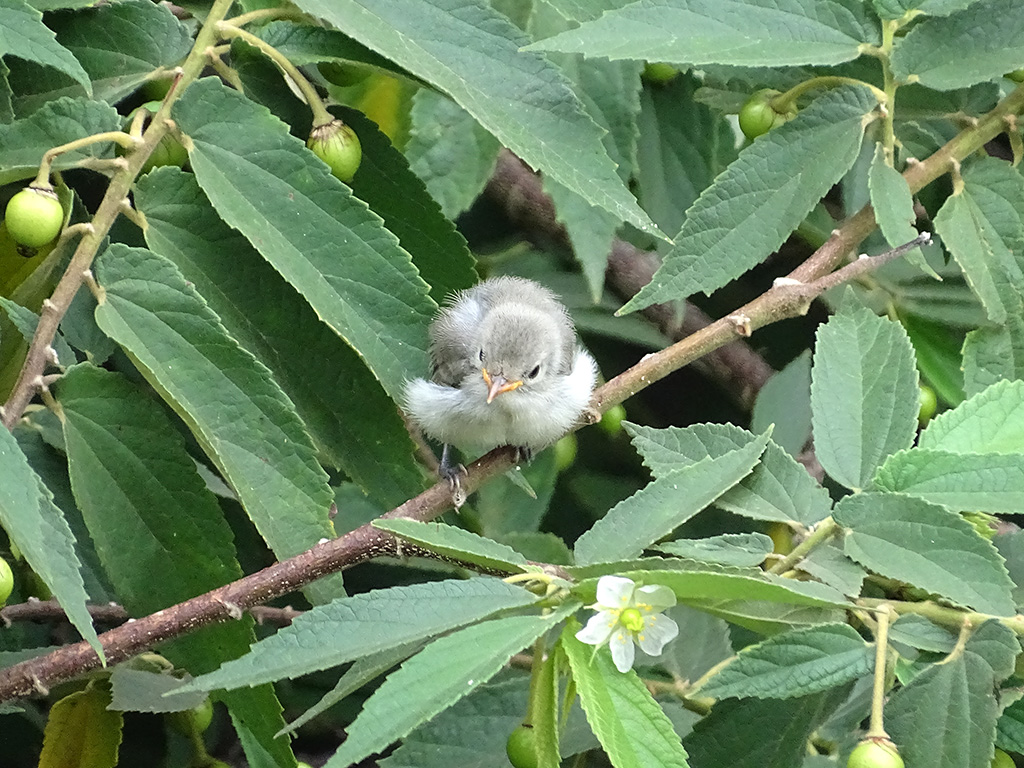
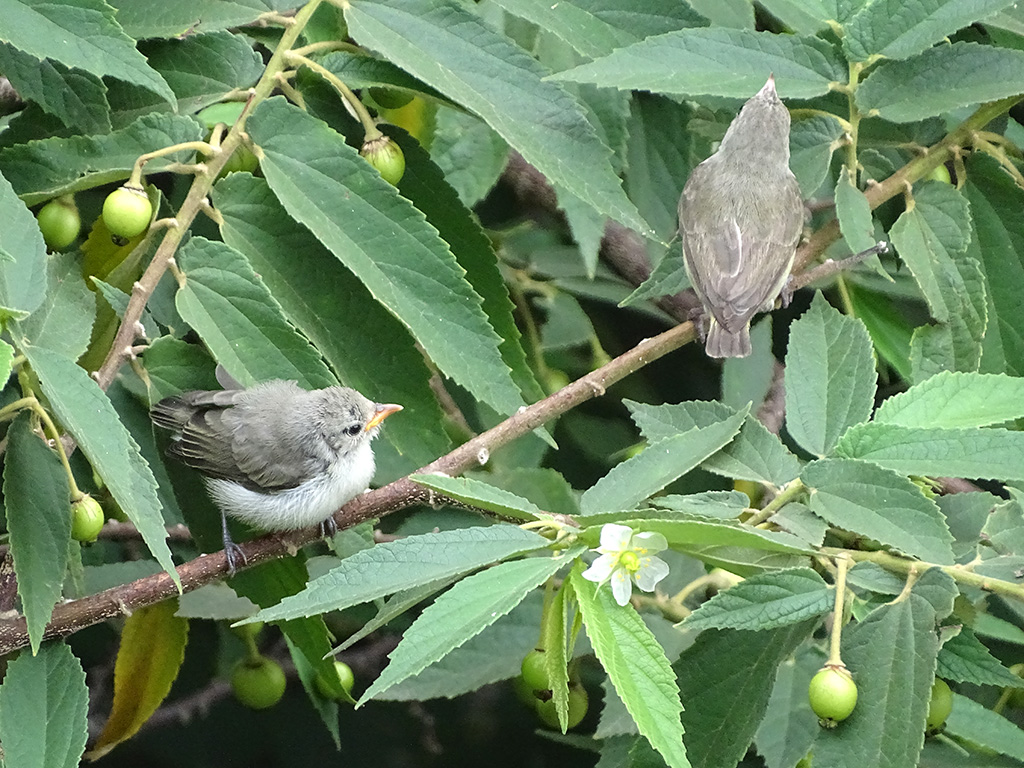
Byatarayana Doddi Kere,Karnataka
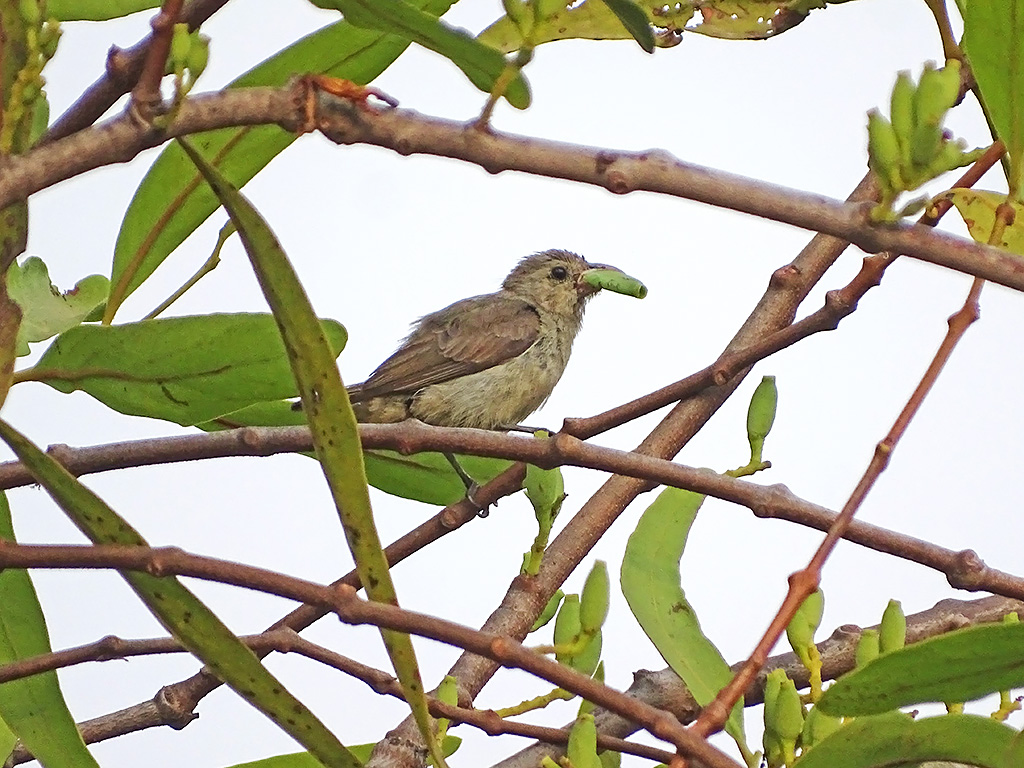
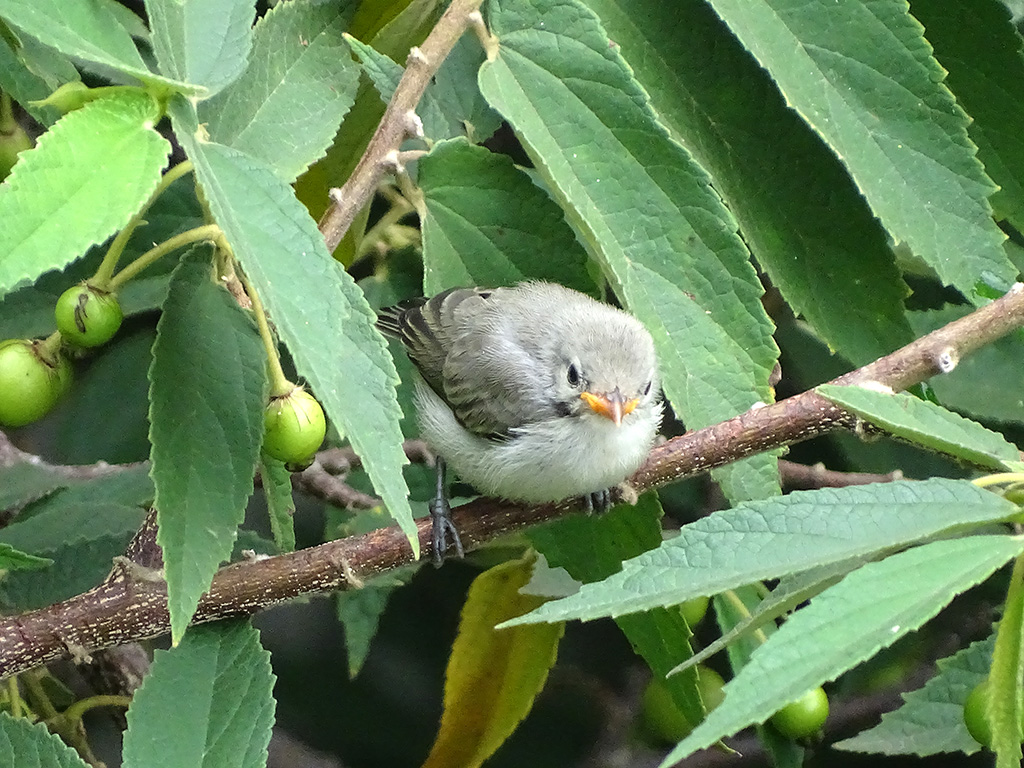
Muthyala Maduvu, Anekal,Karnataka
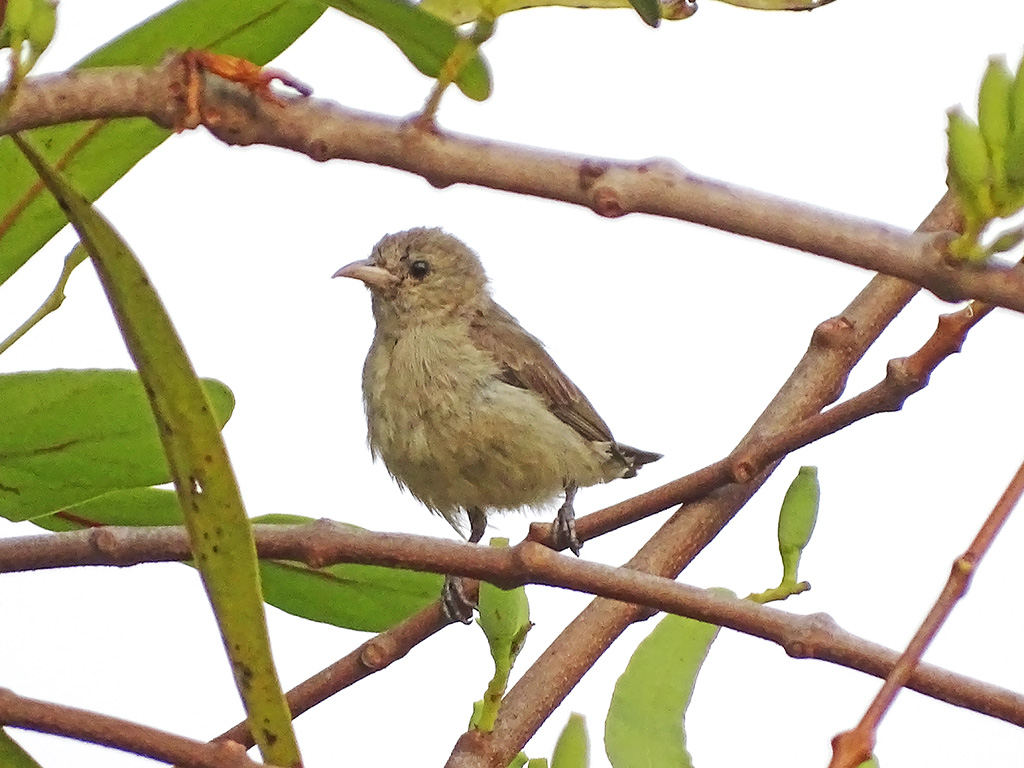
A beautiful tiny bird always draws attention with its chirping. If you observe its color in proper light, you will notice its pale bill. Most of the time, I notice it picking up a rounded green fruit that looks slightly larger than its capacity, yet it finishes it so easily and smoothly. Then, it perches on another branch before flying away. Sometimes, it is difficult to capture the bird as it is very restless and tiny. However, once you manage to capture it, you will get such a beautiful shot that you wonβt even believe it.
Information of Pale-billed flowerpecker
| IUCN (International Union for Conservation of Nature): | Least Concern |
|---|---|
| Approximate size(adult): | A small passerine, about 10–11 cm in length and weighing around 8–12 g. It has olive-green upperparts, pale underparts, and a distinct pale, slightly curved bill. Both sexes appear similar. |
| Resident/ Migrate from: | Resident species — widely distributed across India and Sri Lanka. |
| Migrate to: | Non-migratory, although it may make local movements depending on flowering and fruiting patterns of trees. |
| Breeding season: | Breeds mainly from January to June, with peak breeding during pre-monsoon months. The nest is a purse-like structure made of cobwebs, moss, and plant fibers, usually attached to thin branches. Clutch size is typically 2 eggs. |
| Breed in: | Prefers scrub forests, gardens, plantations, and secondary growth. Often nests in small trees and shrubs. |
| Habitat: | Found in gardens, wooded areas, plantations, and forest edges. Highly active and often seen moving rapidly among foliage. |
| Diet: | Feeds mainly on nectar, small berries, and fruits, especially mistletoes. Also consumes small insects and spiders occasionally. Plays a key role in seed dispersal for several plant species. |