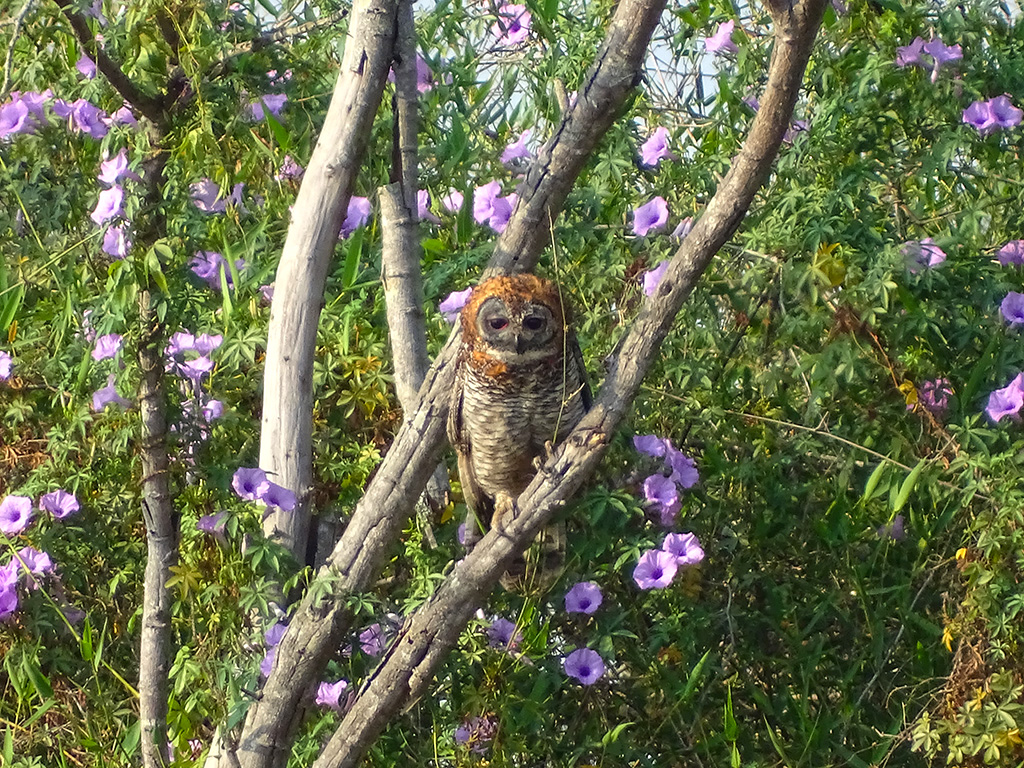
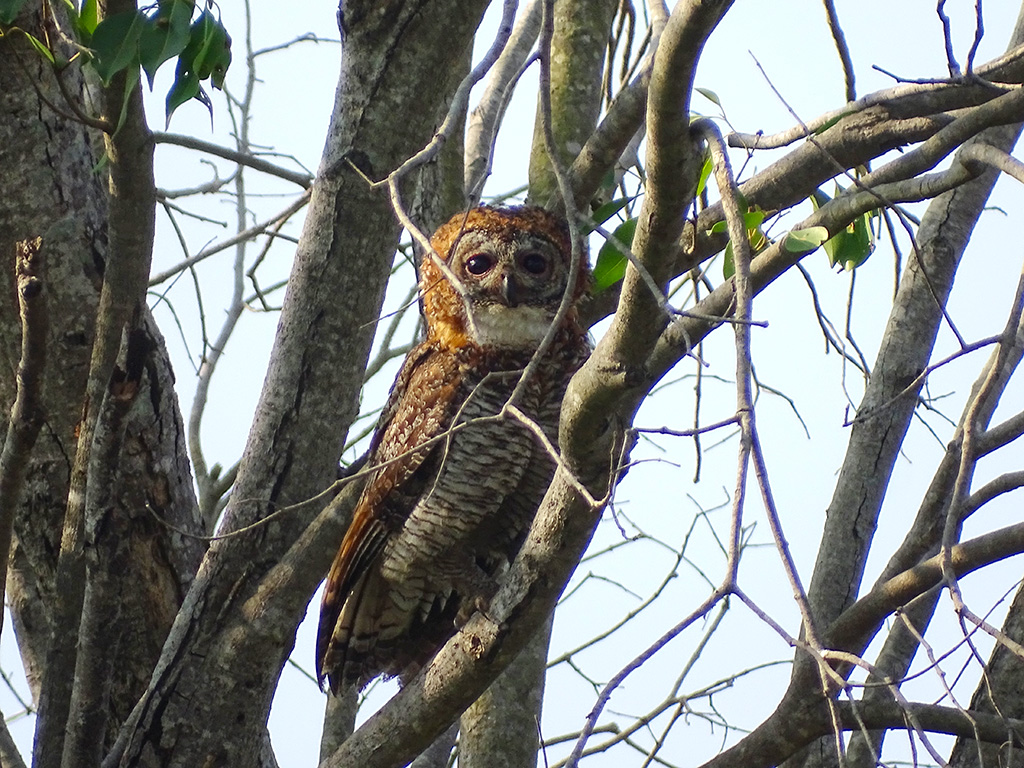
Mottled wood owl
Muthanallur Lake,Karnataka
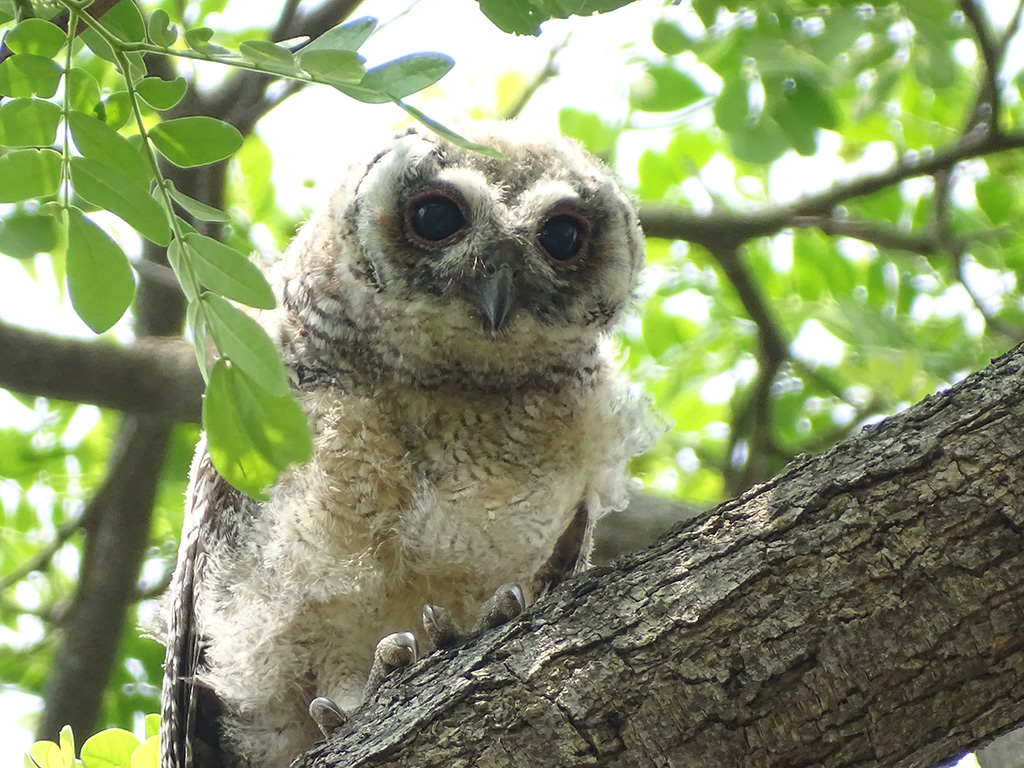
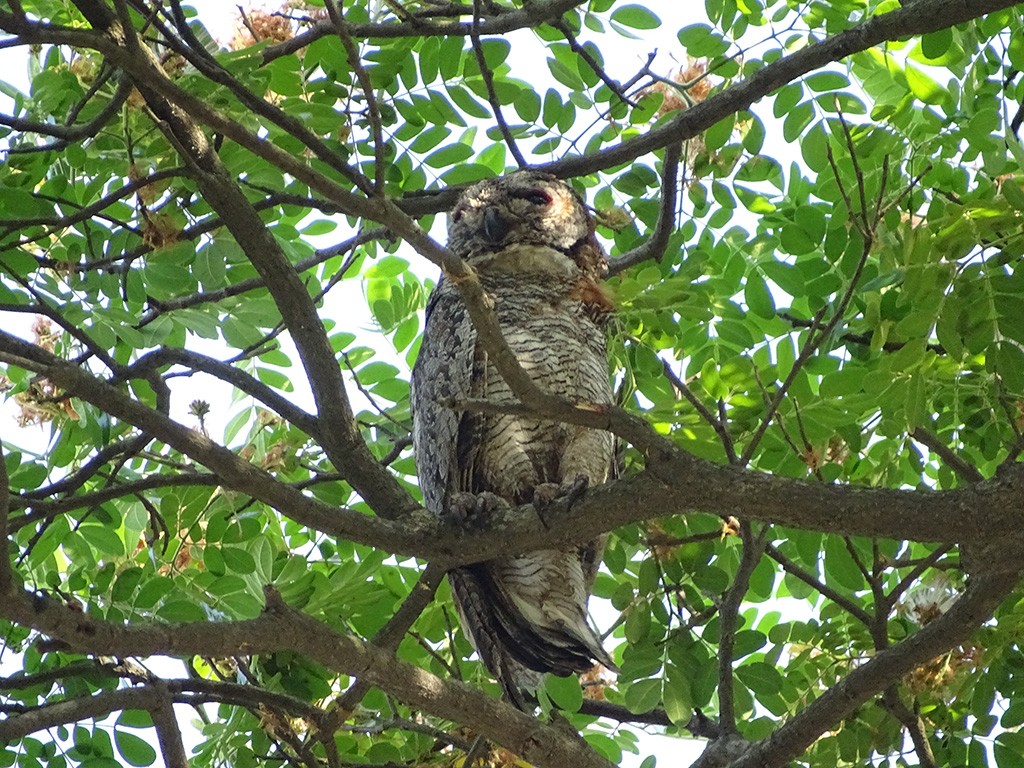
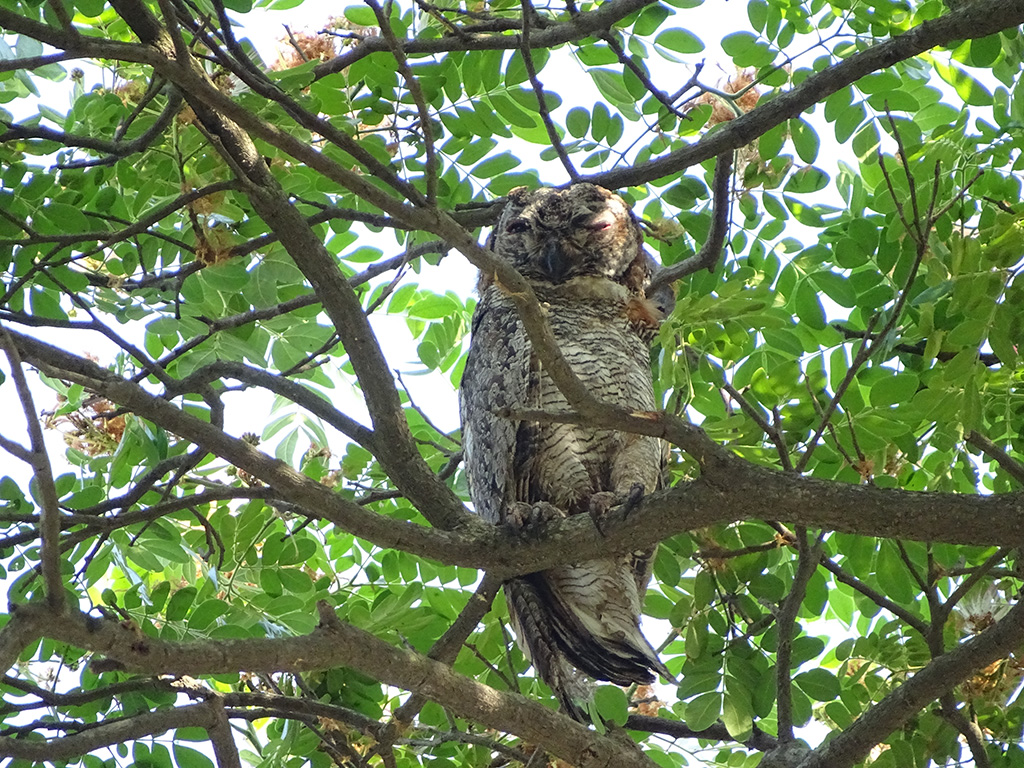
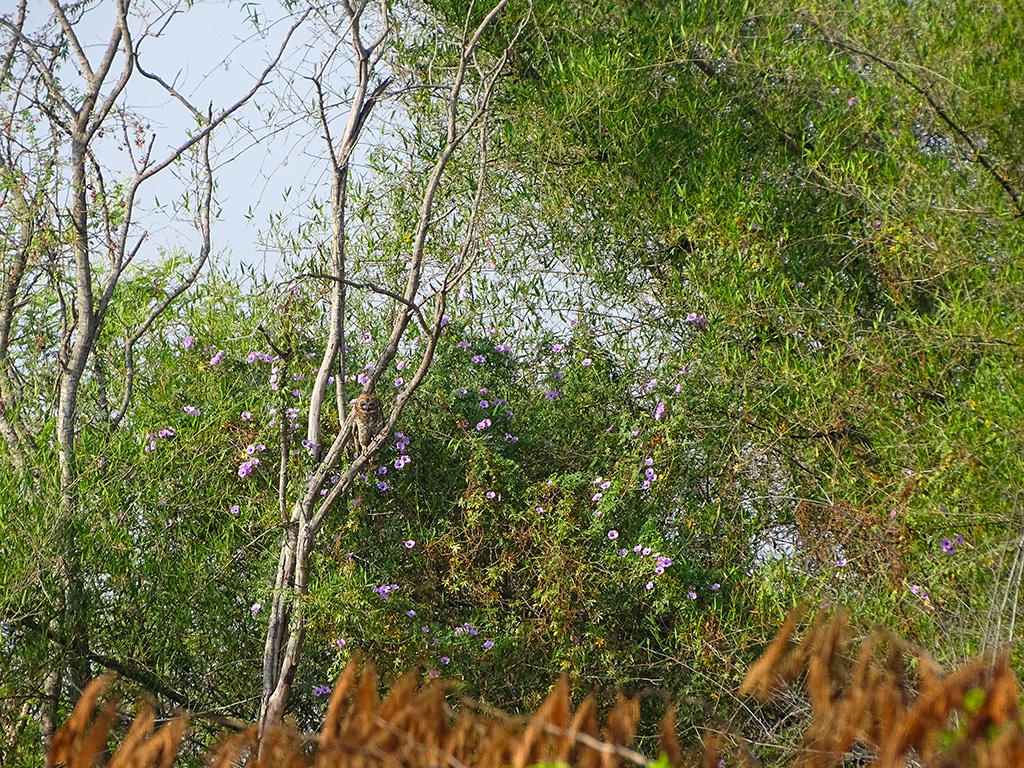
This set of pictures of a sub-adult Mottled Wood Owl was taken in 2023. The owl has always been one of my favorite birds, and when it comes to something as exclusive as the Mottled Wood Owl, I find it truly satisfying to observe one. Living in Bengal, I had never come across this species before, but nowadays, it can be found in the Purulia and Bankura districts of West Bengal.

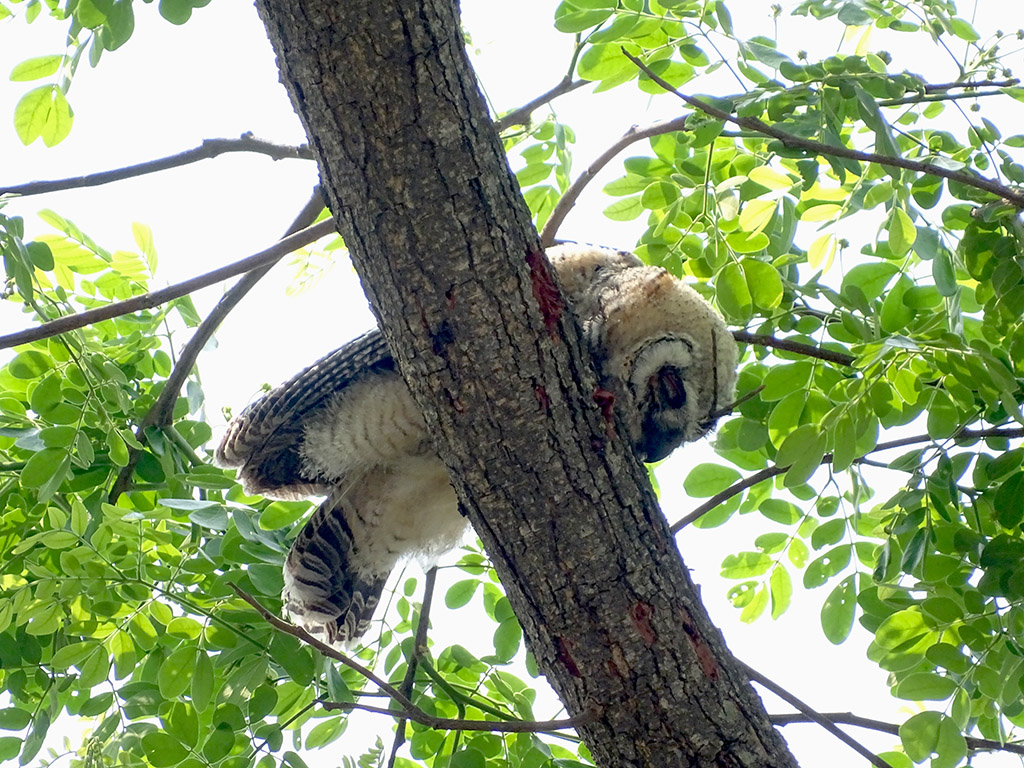
This photo of an immature Mottled Owl was taken in Bengaluru. The day we received information about this species, we prepared ourselves to head out the next day. Although there were four owls in total, one was an adult and three were immature. The owl was quite cute and fluffy, sitting on a branch and almost completely hidden. It was difficult to spot it, even though there weren't many branches around, but it was incredible how well it camouflaged itself. If it hadn't moved, we wouldn't have been able to see it. The owl was basically sleeping in the early morning, and it took about three more hours for it to wake up, move its head, or blink its eyes. After that, it took another two hours before it started to move a little, scratching and adjusting its body parts. Sometimes, it posed in unusual ways, looking both cute and funny.