Long-toed stint
Hoskote Lake,Karnataka
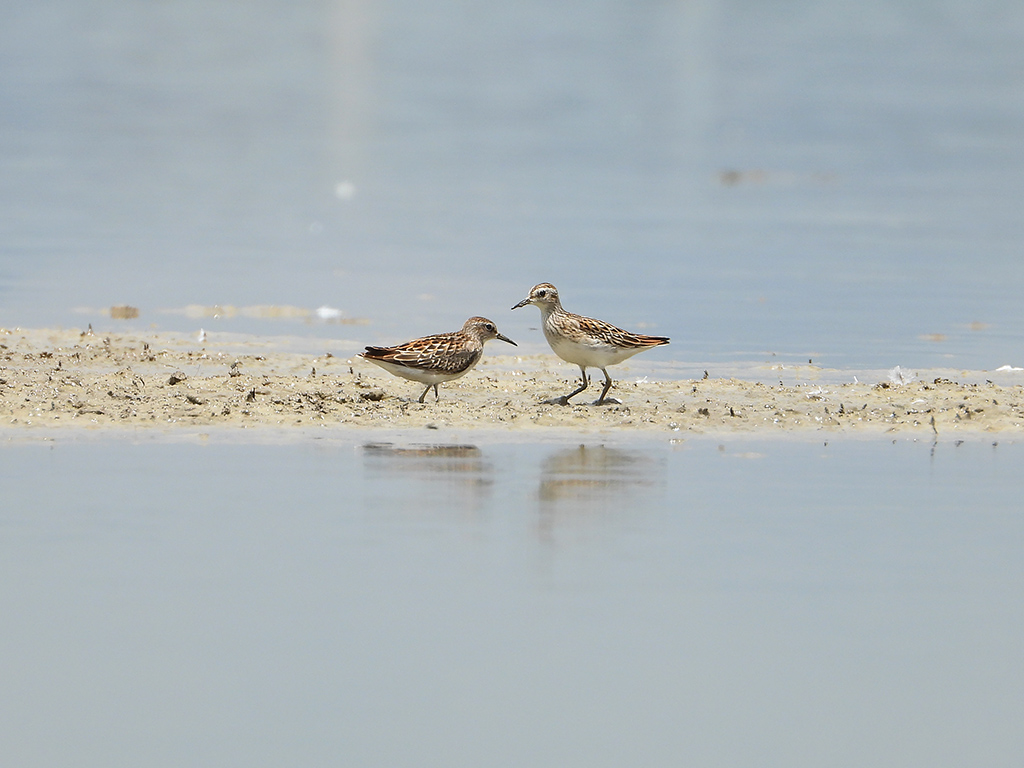
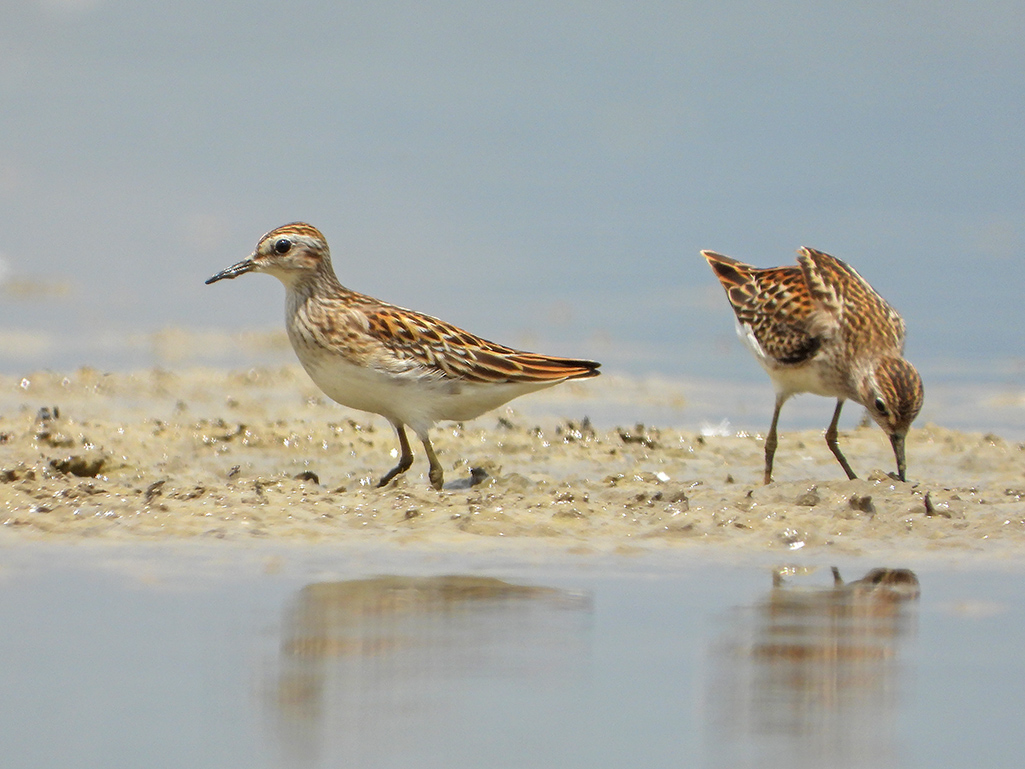
If you look carefully, this bird has a very beautiful and contrasting winter plumage. The pattern is almost the same as that of the Little Stint, but the tones are more vibrant and colorful. It has slightly larger toes than other stints, and its leg color is yellow. Its build is somewhat elongated but not bulky. It graced us with its presence for one whole week in Hoskote before suddenly disappearing after a spell of heavy rain and storms. Thanks to God for allowing us to witness this beautiful species.
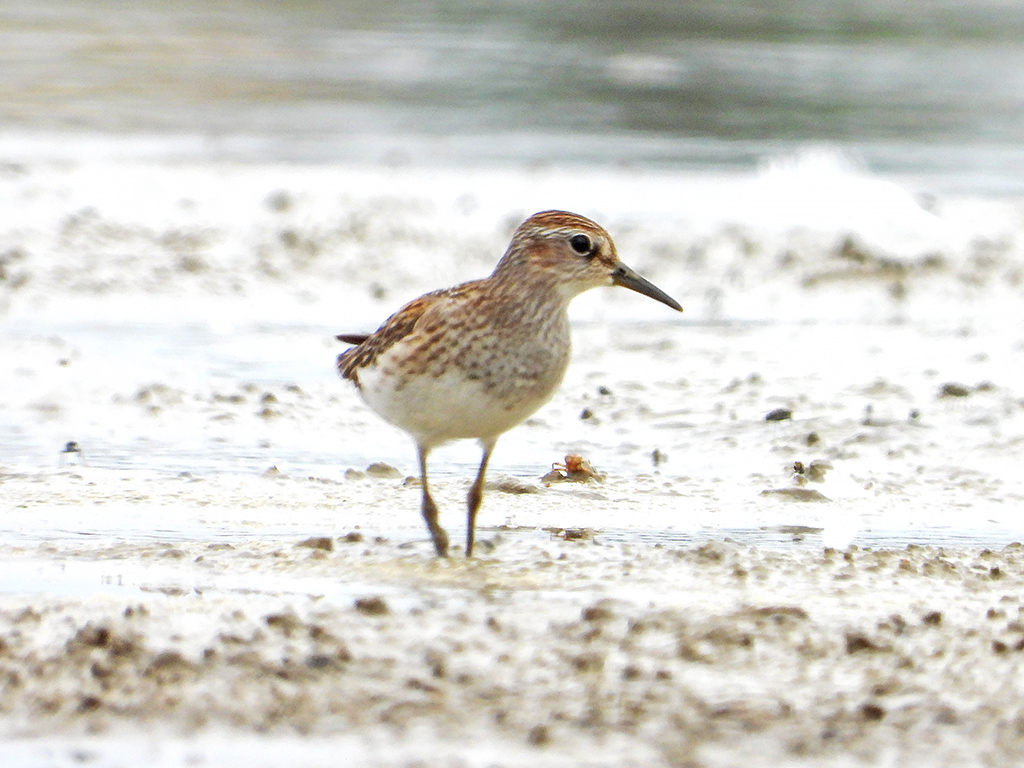
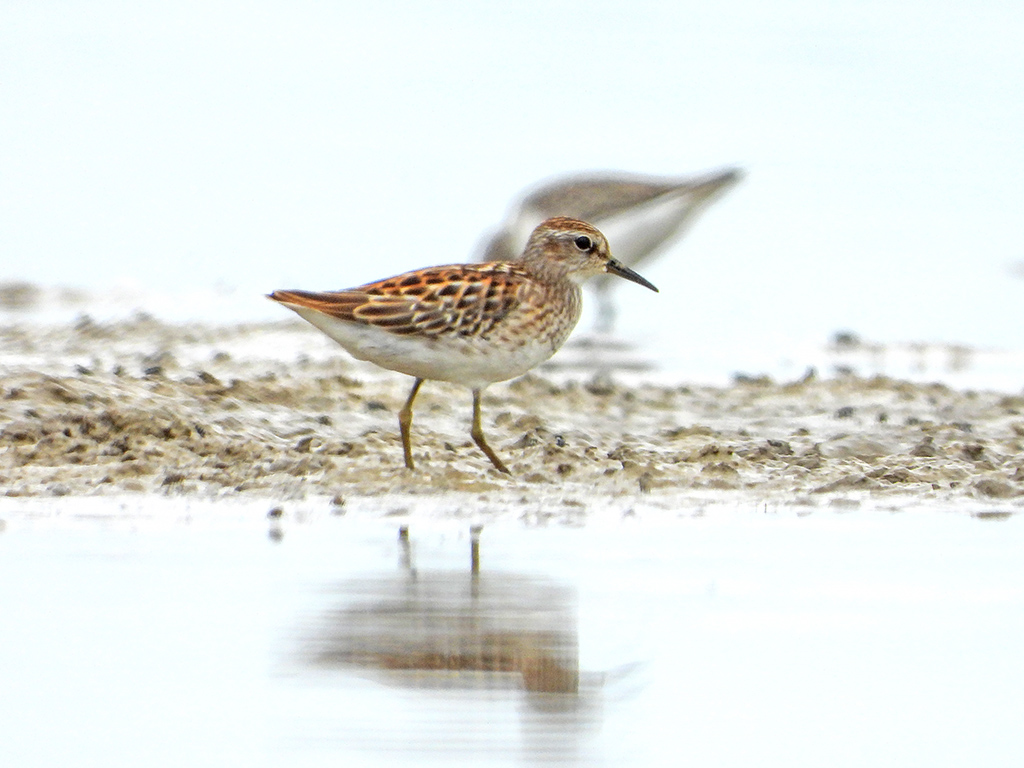
This time, two individuals showed up, probably a pair, in a mixed flock of Little Stints, Temminck’s Stints, Kentish Plovers, Little Ringed Plovers, Terek Sandpipers, and Common Sandpipers. They were constantly foraging on the sandbed from morning until evening. I thought they would take a break in the afternoon when the sun was high, but they didn’t. I realized that these waders live solely for food. Occasionally, they take a bath if it gets too hot, and they breed during the breeding season. But after migration, their only focus is survival through foraging.
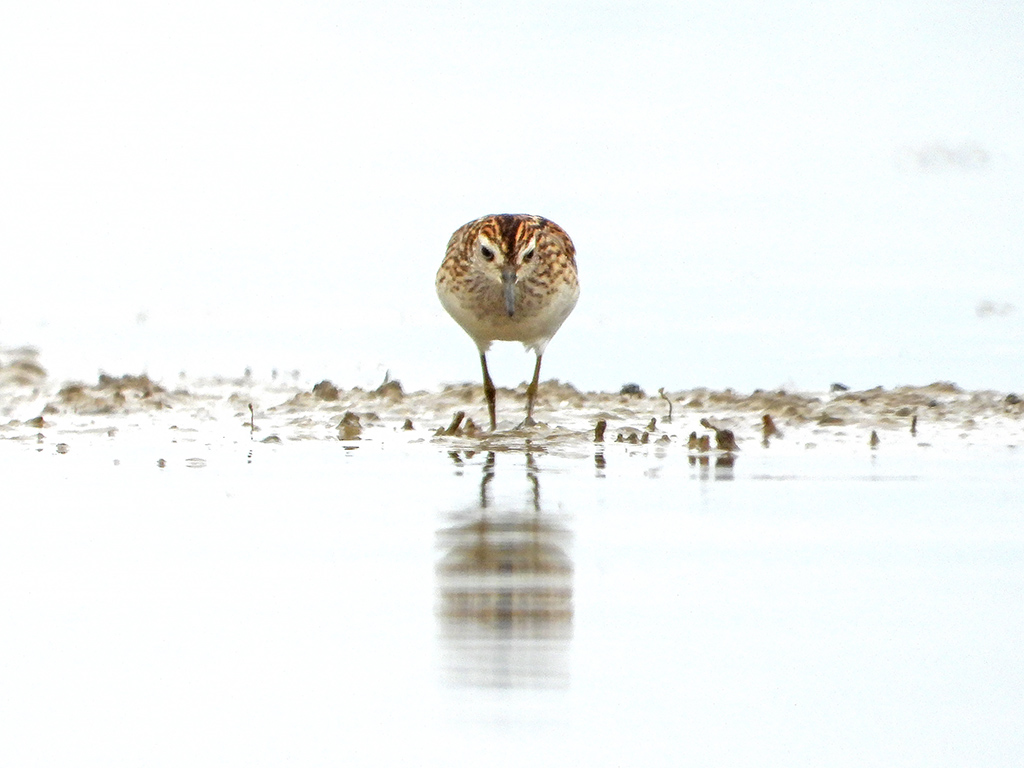
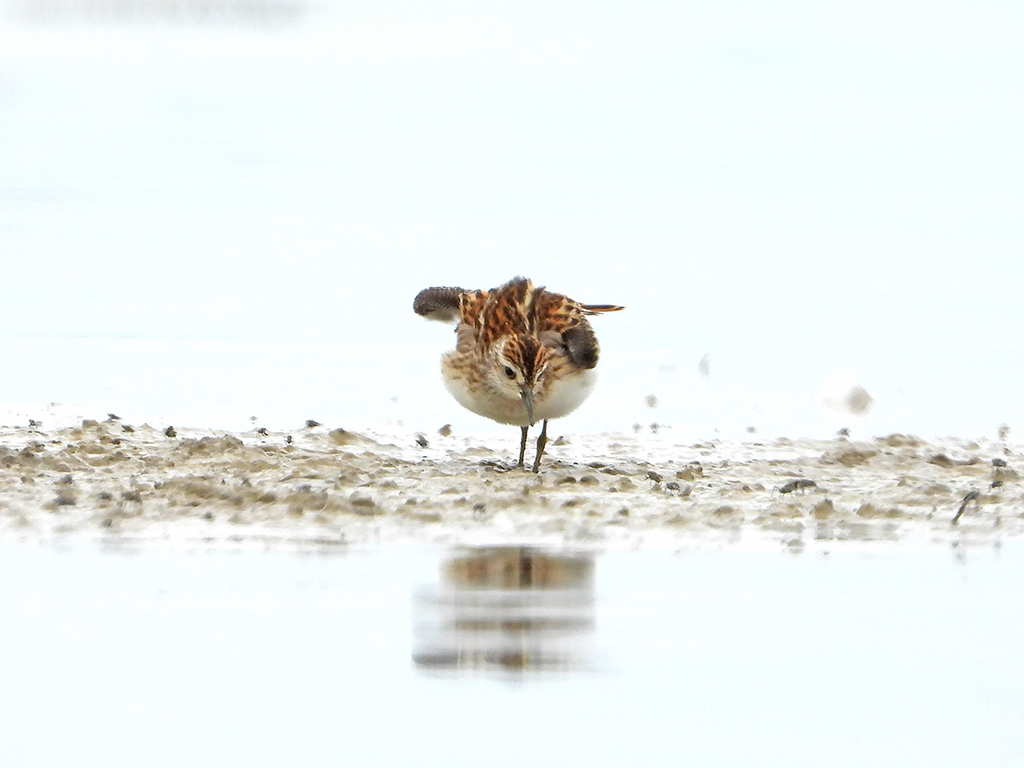
It was probably the first recorded sighting from Hoskote. Even though the habitat was favorable for its presence, no one expected to find it there. Then one day, when it was reported, bird watchers started rushing to the location. Every day, more than 20 people would visit to photograph this beautiful species. Just a few days ago, I had visited the area, recorded videos of other species, and thought I wouldn’t need to go there again this season. But the excitement surrounding the sighting drove me crazy, and I couldn’t resist rushing back.
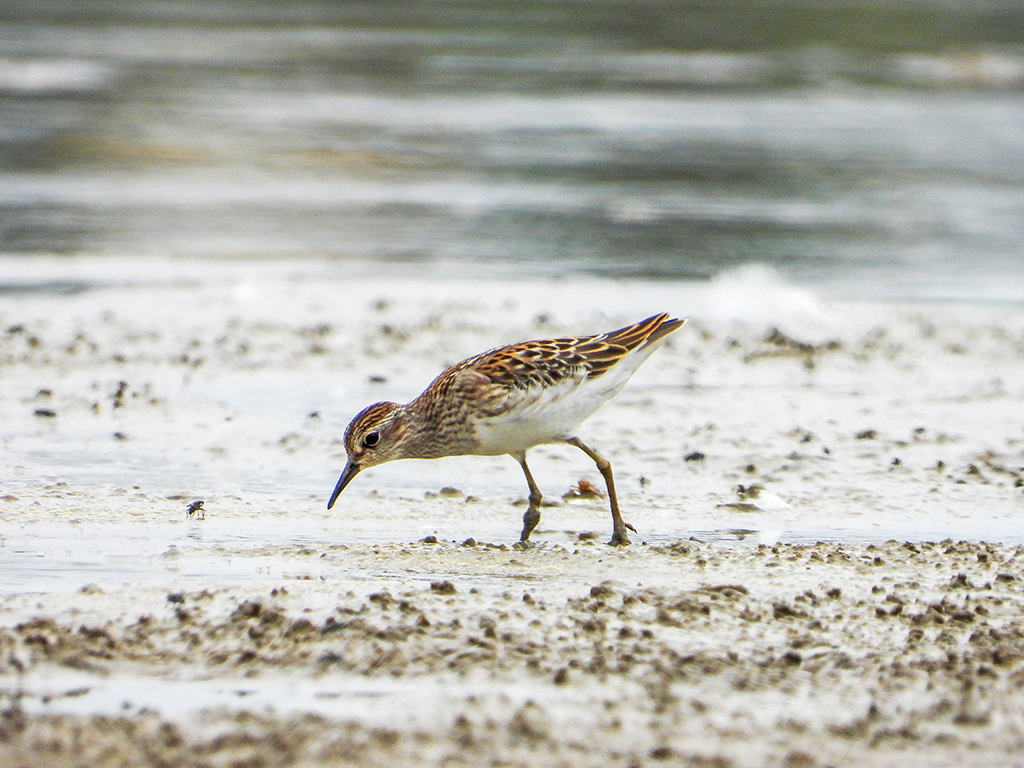
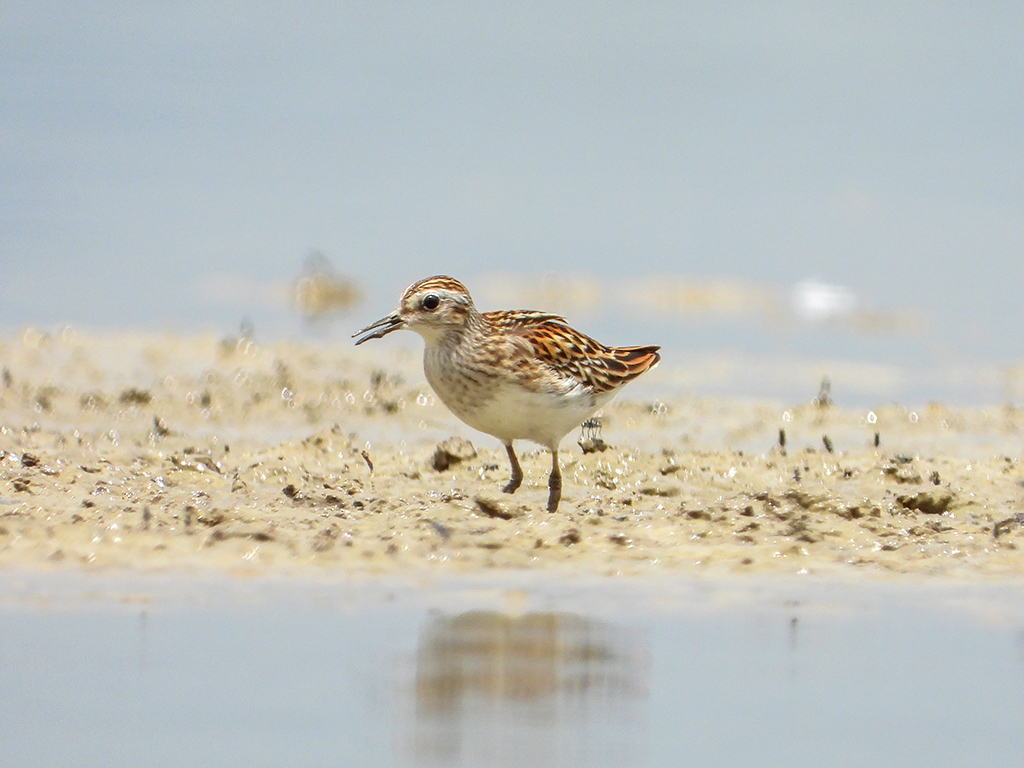
The long-toed stint is a rare bird that can easily be overlooked if you don’t know the key identification features. It is often found among small mixed flocks of stints and plovers. Like other waders, it is not restricted to coastal areas but can also be seen on sandbanks, wetlands, and marshes. It is usually spotted alone or in pairs, but its numbers are generally very low.