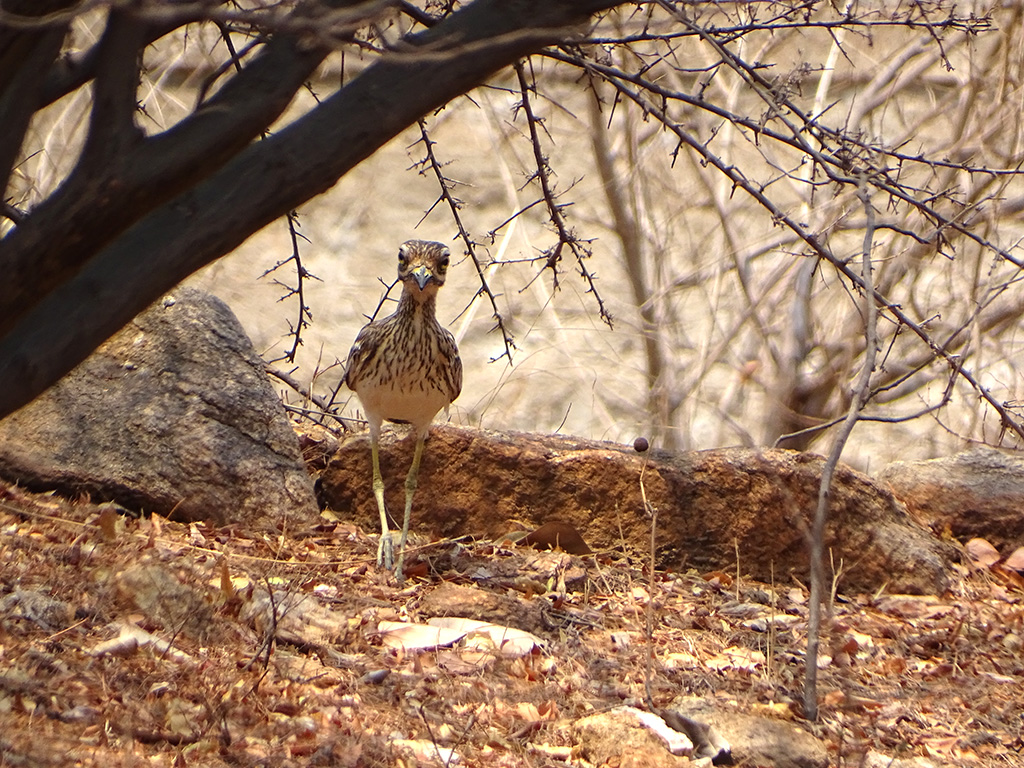
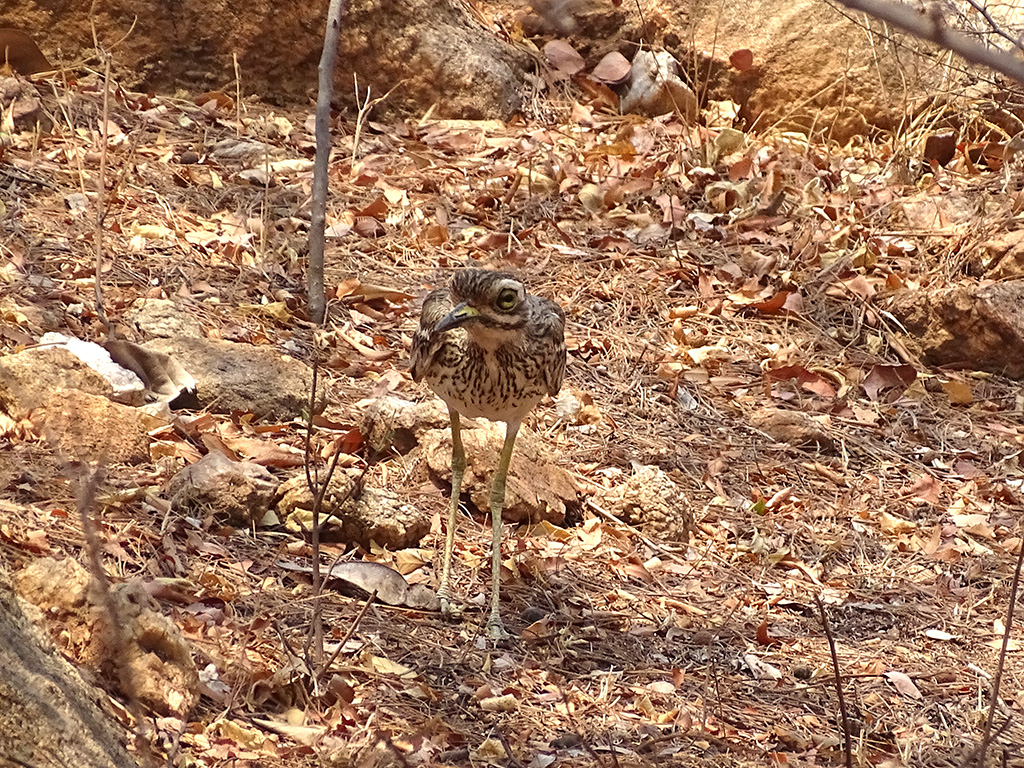
Indian stone-curlew
Bhigwan Bird Sanctuary,Maharashtra

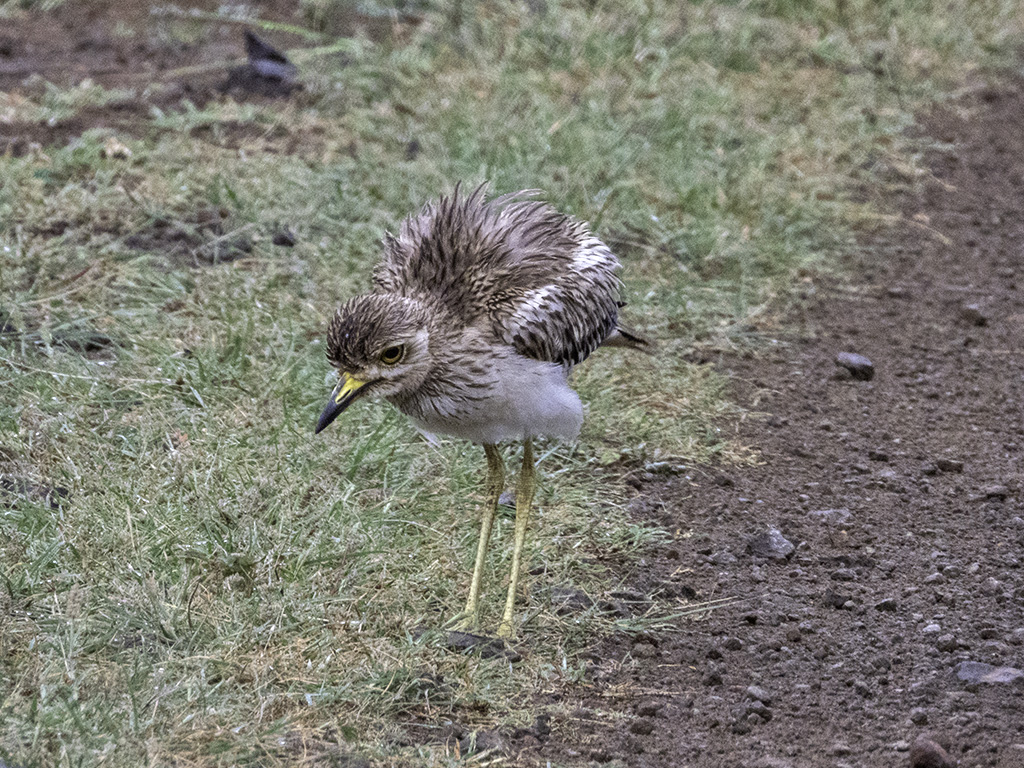

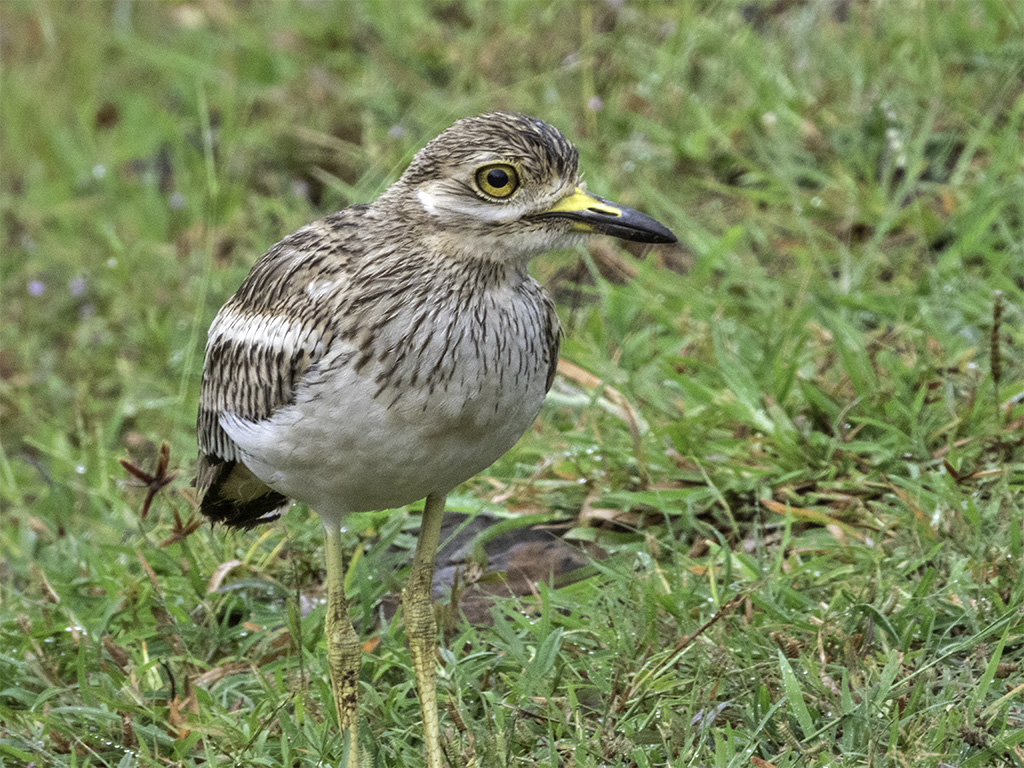
Hampi,Karnataka
Just as we were almost done with birding, while returning, I asked Pampayya Sir if we could see the Indian thick-knee. He drove us to a dry roadside area and looked for it from the car. He was so confident we would find the bird, but the only challenge was its camouflage. When he spotted it, I was incredibly excited and tried to find it on my own, but I had no luck. Then he pointed it out with a laser and showed us.
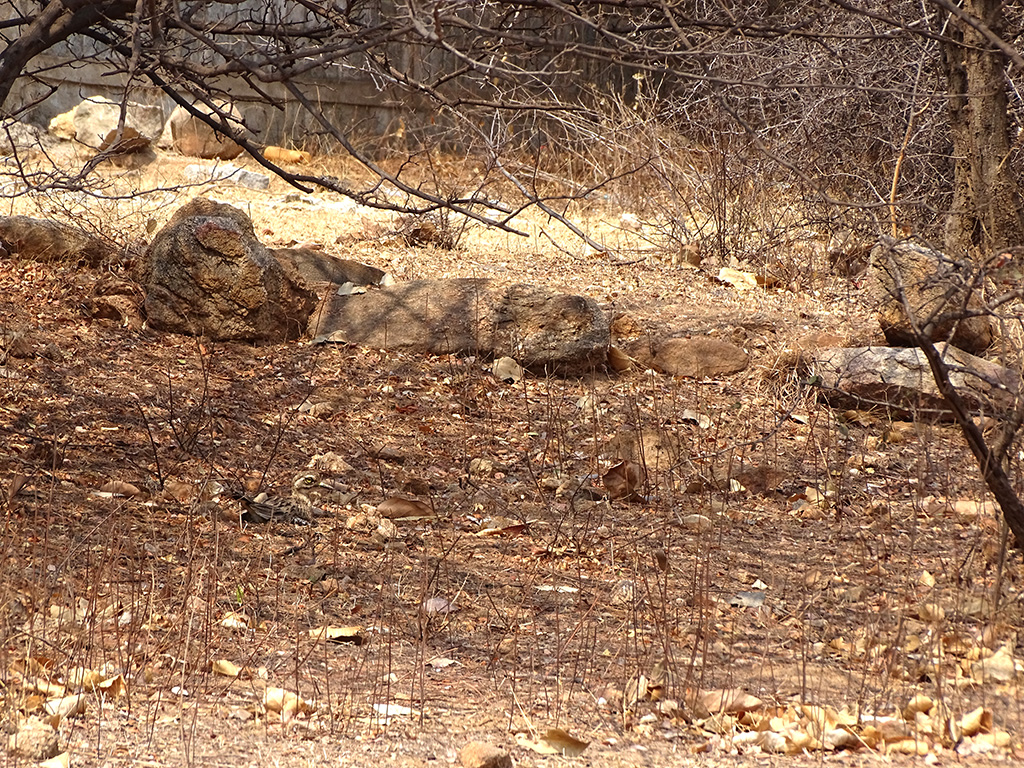
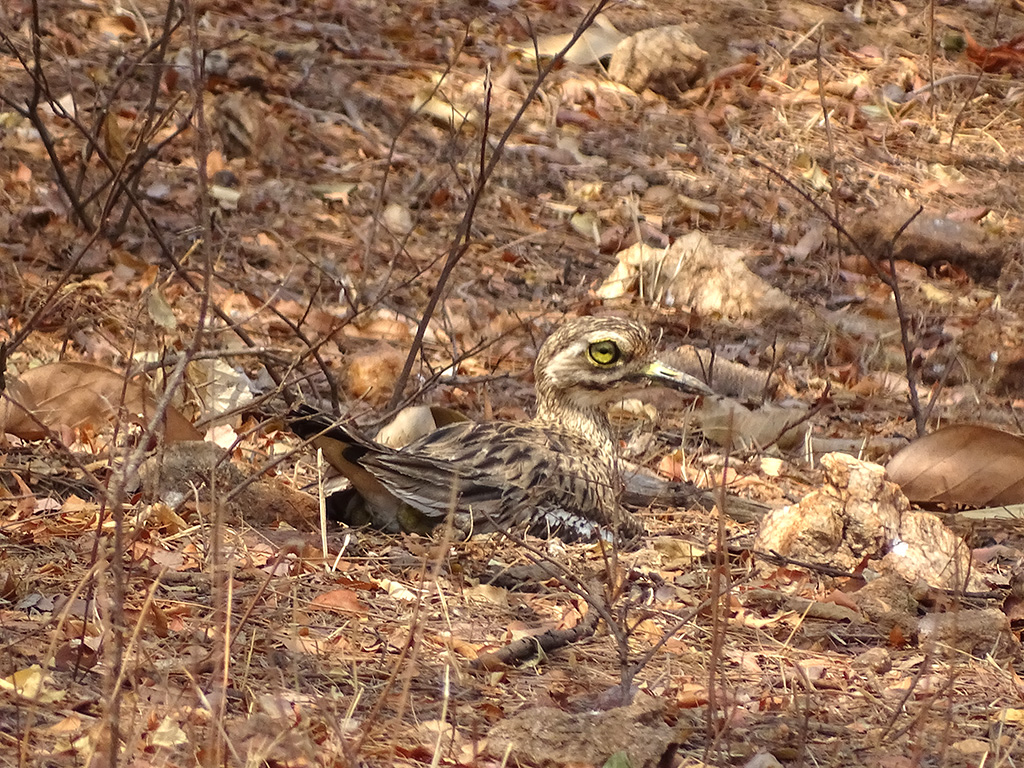
Oh boy, it was such a delightful experience to witness. Its big yellow eyes were constantly watching us. As we approached, it ran away but still kept an eye on us from a distance. It was a very calm and composed, large bird, and it allowed us to get a little closer, but only up to a certain distance. Pampayya Sir showed us the eggs, and we observed them from a distance, taking pictures by zooming in with our lens. We knew we should not leave any human scent near its eggs. We didn’t stay for long and quickly returned to the car to observe the activities.
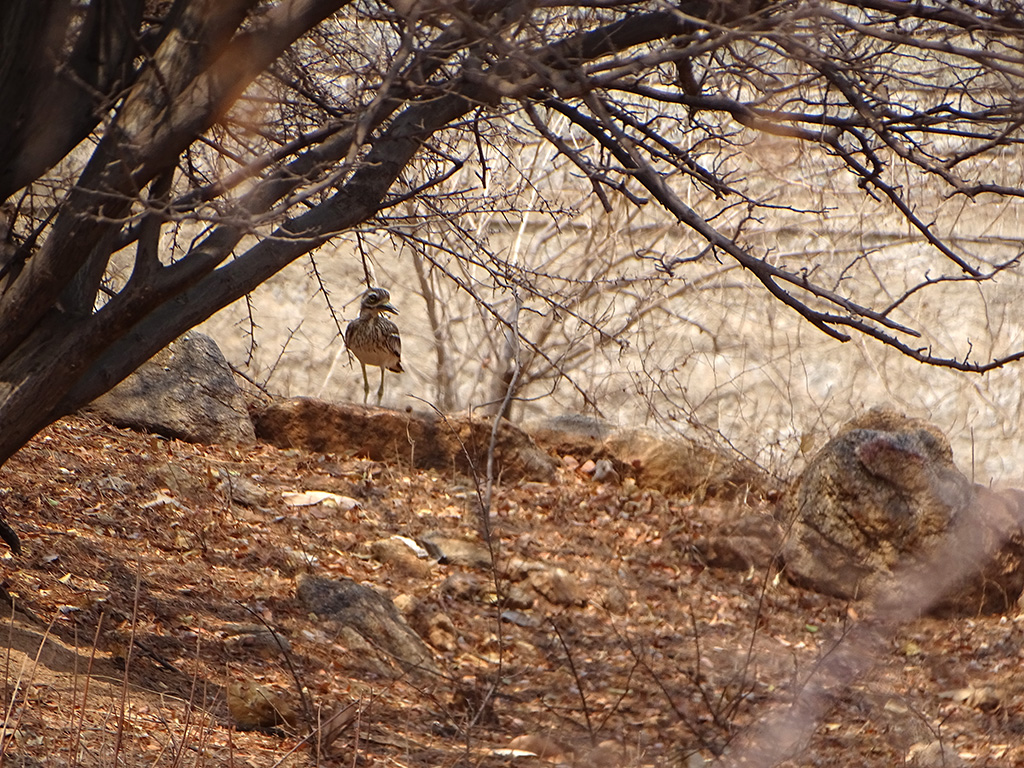
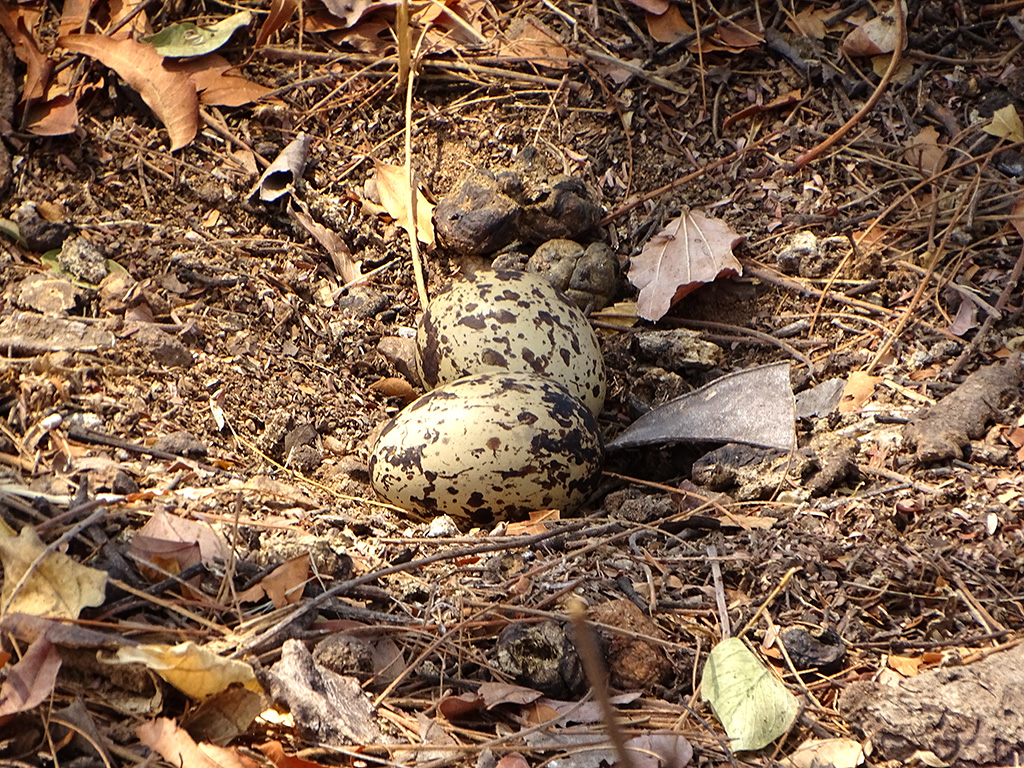
After a few minutes, it returned to brood. We noticed the male was roaming around, perhaps guarding his partner. I really love its walk or run with its long legs. Its eyes nearly melted me. I hope it stays safe and hatches new offspring soon.