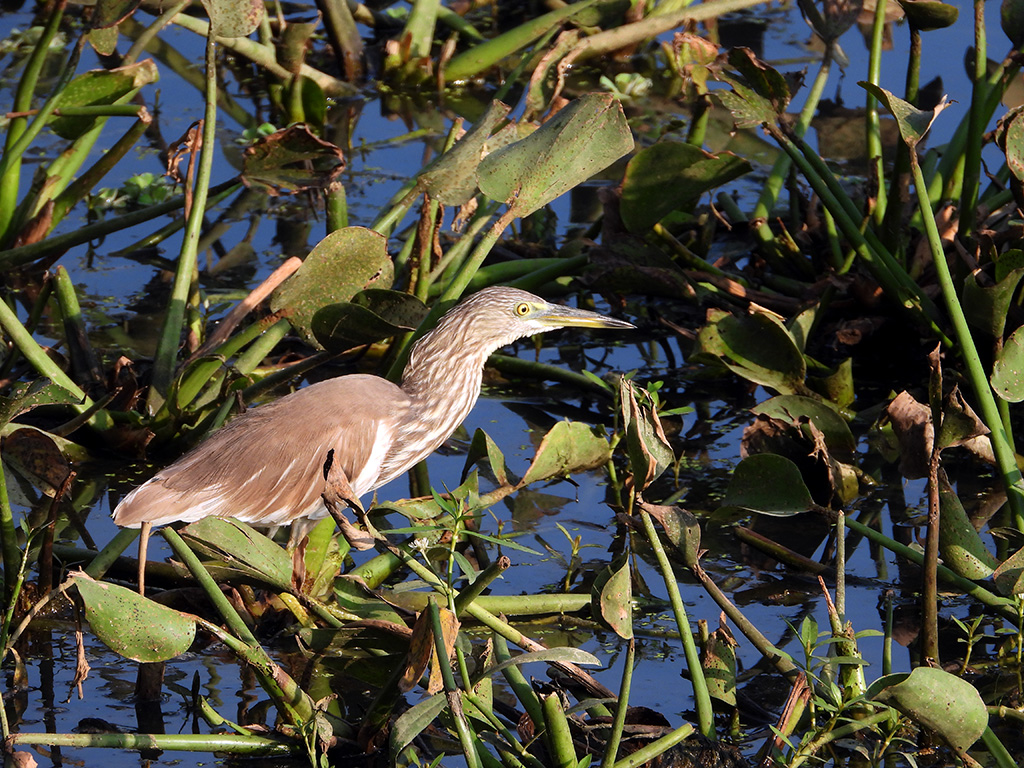
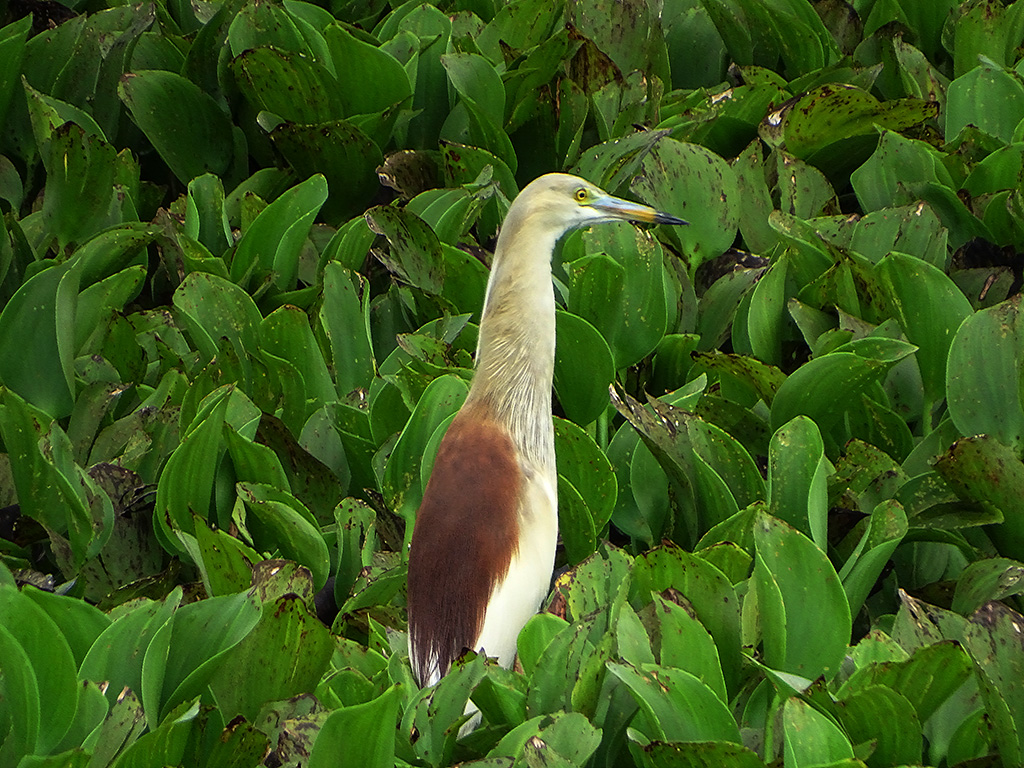
Indian Pond Heron
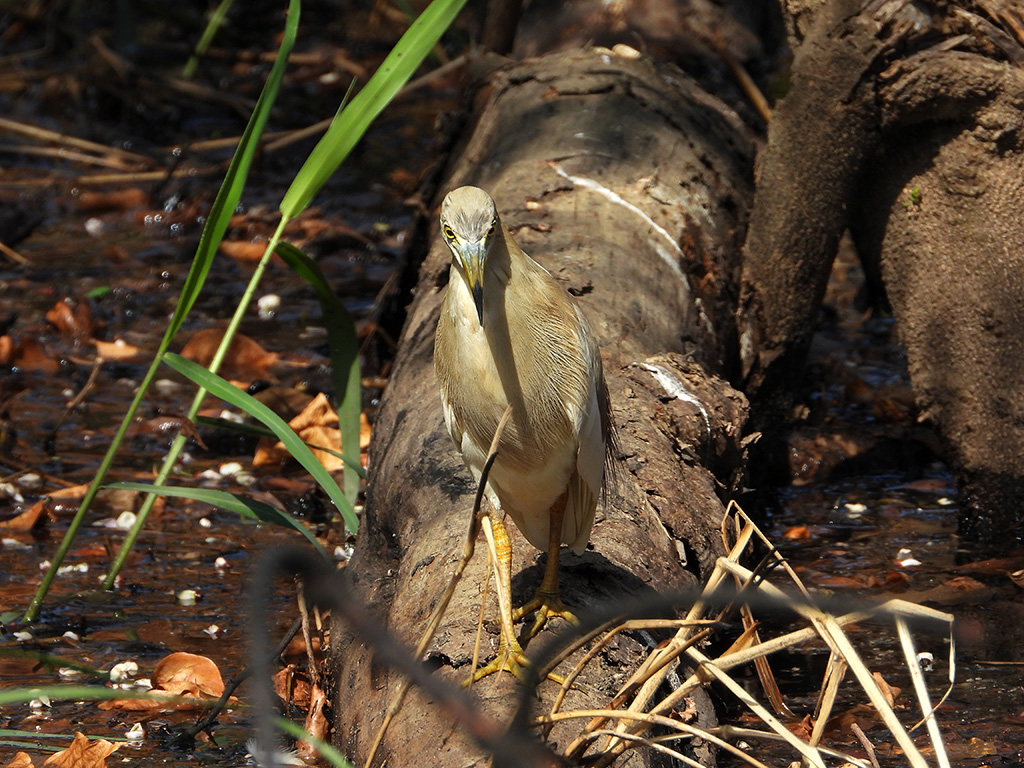
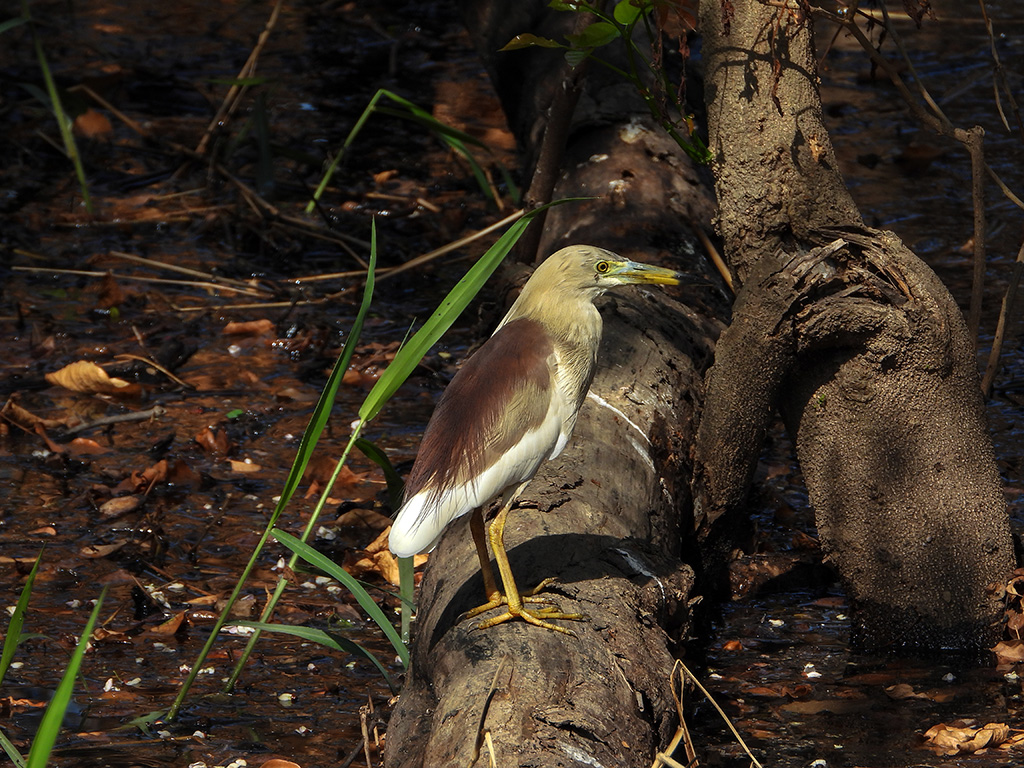
Saul kere, Bangalore,Karnataka
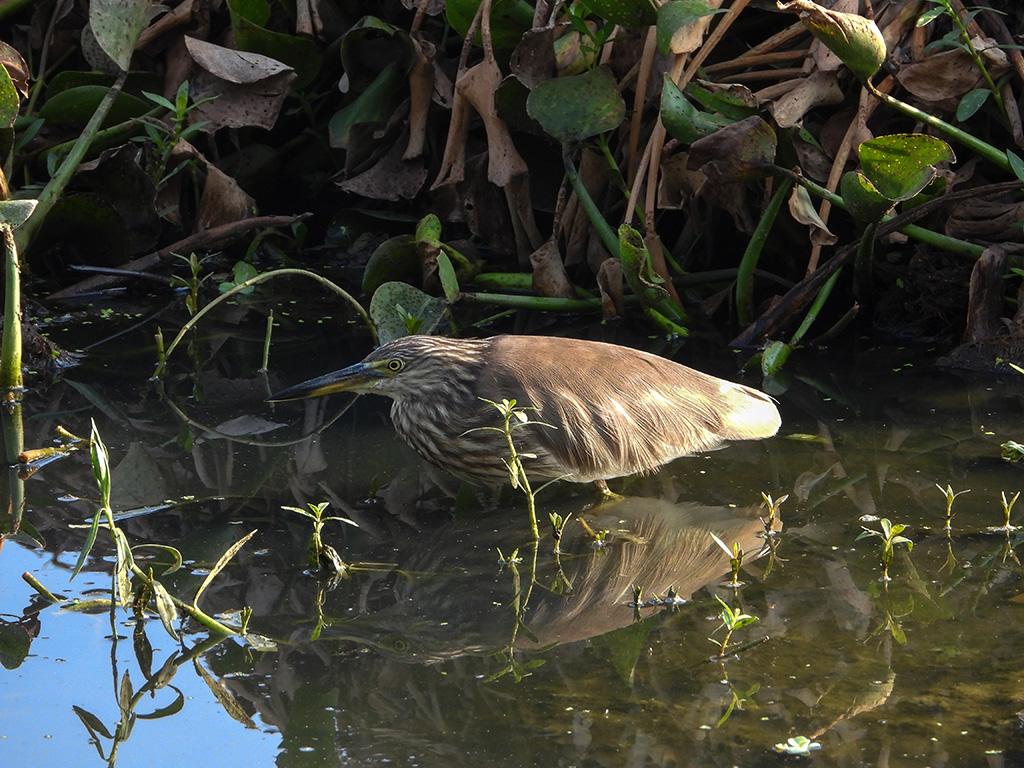
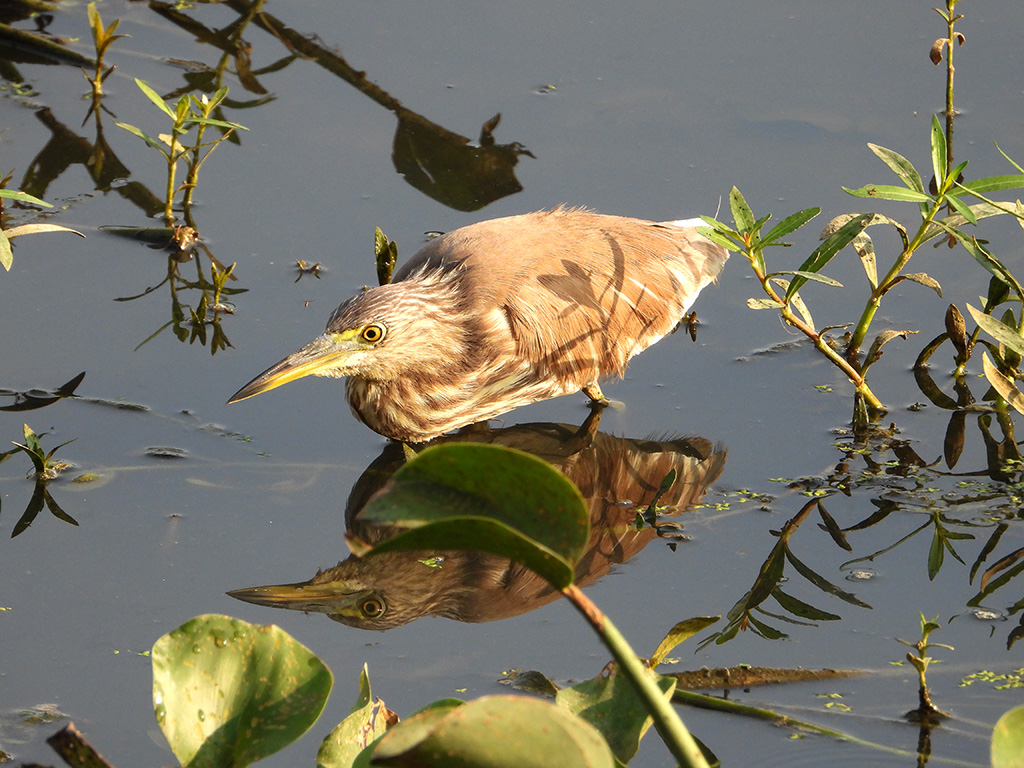
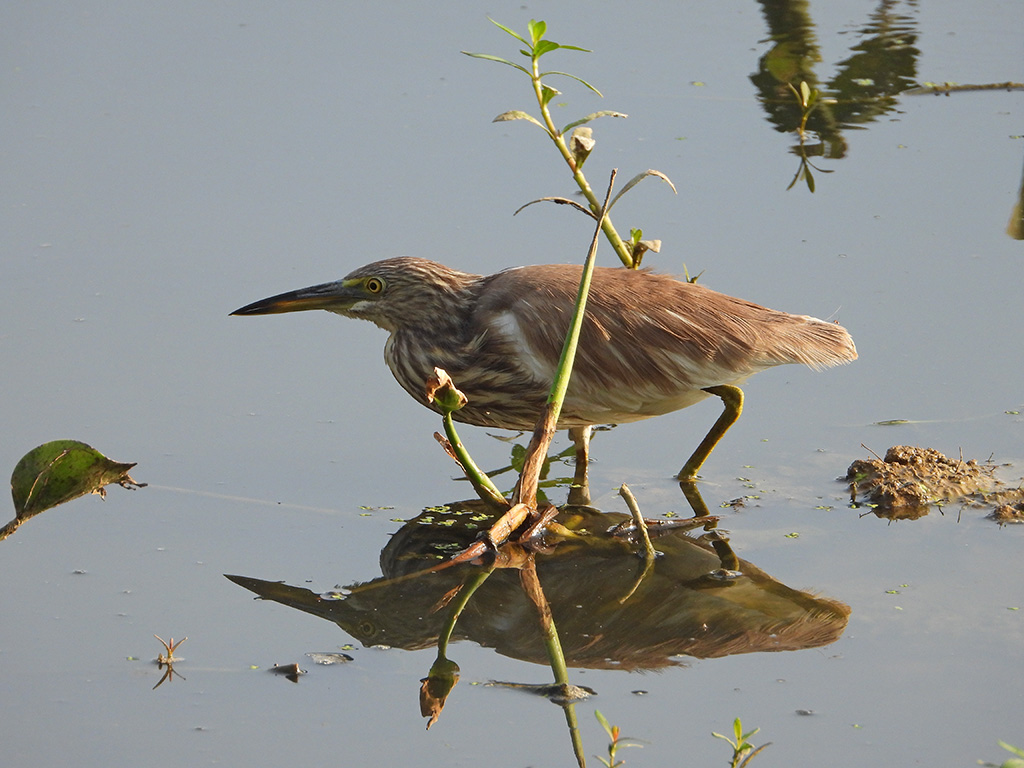
Muthanallur Lake,Karnataka
The Pond Heron is a very common and underrated bird species, but you need to see it in its breeding plumage from May to July. It looks very elegant and colorful, with a crest on its head and a cherry-colored back. Unlike other herons, this bird is not shy at all. It constantly searches for small fish in water bodies. It stands still and focuses intently while hunting so the fish wonβt escape. Overall, itβs a decent-natured bird and easy to photograph.
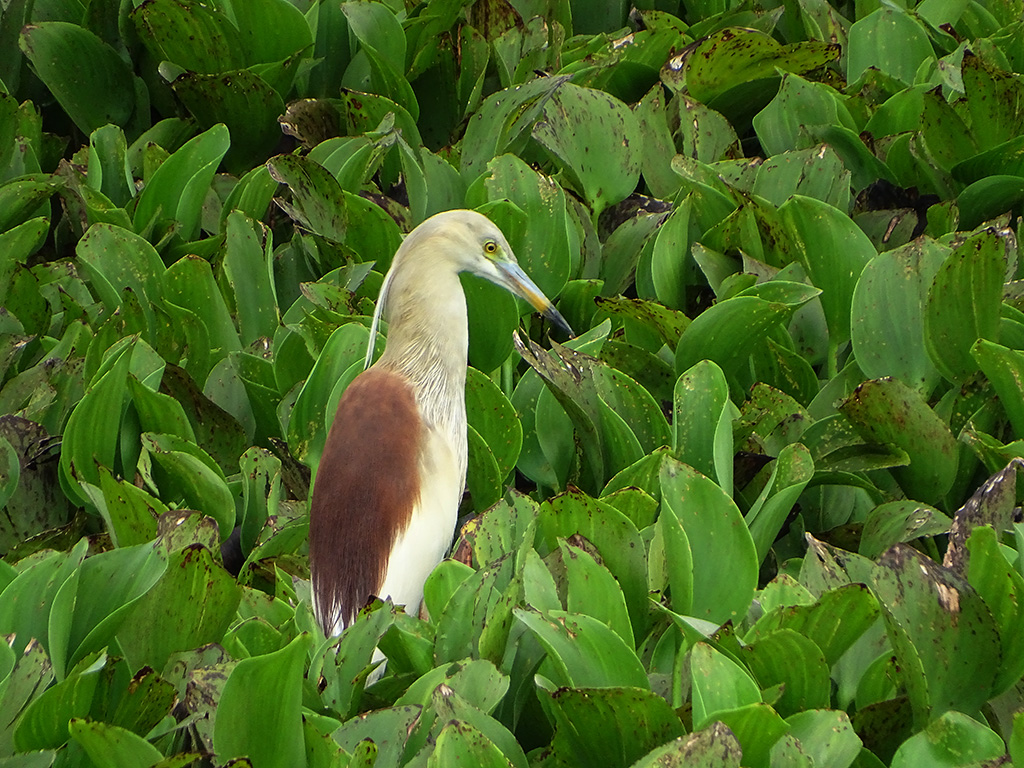
Information of Indian Pond Heron
| IUCN (International Union for Conservation of Nature): | Least Concern |
|---|---|
| Approximate size(adult): | About 39-46 cm in length |
| Resident/ Migrate from: | Largely resident throughout its range; movements are opportunistic/local (e.g. following water availability) rather than long-distance migration |
| Migrate to: | No well-documented regular migration to far-off regions; may disperse or shift locally during dry/flood conditions |
| Breeding season: | Breeding begins with the onset of the monsoons; in many parts of India this spans roughly June-September; nests in small colonies, often with other wading birds |
| Breed in: | Nests built on platforms of sticks in trees or shrubs near water bodies; heights often ~ 9-10 m; clutch size 3-5 eggs; both parents share in feeding the young |
| Habitat: | Freshwater and some brackish wetlands: ponds, lakes, marshes, rivers, streams; also paddy fields, ditches, canals; tolerates urban/water edges; uses floating vegetation too |
| Diet: | Feeds on fish, frogs, tadpoles, small reptiles, crustaceans, aquatic insects; usually forages at pond edges, uses floating plants to reach deeper water; also opportunistic feeders on small prey as available |