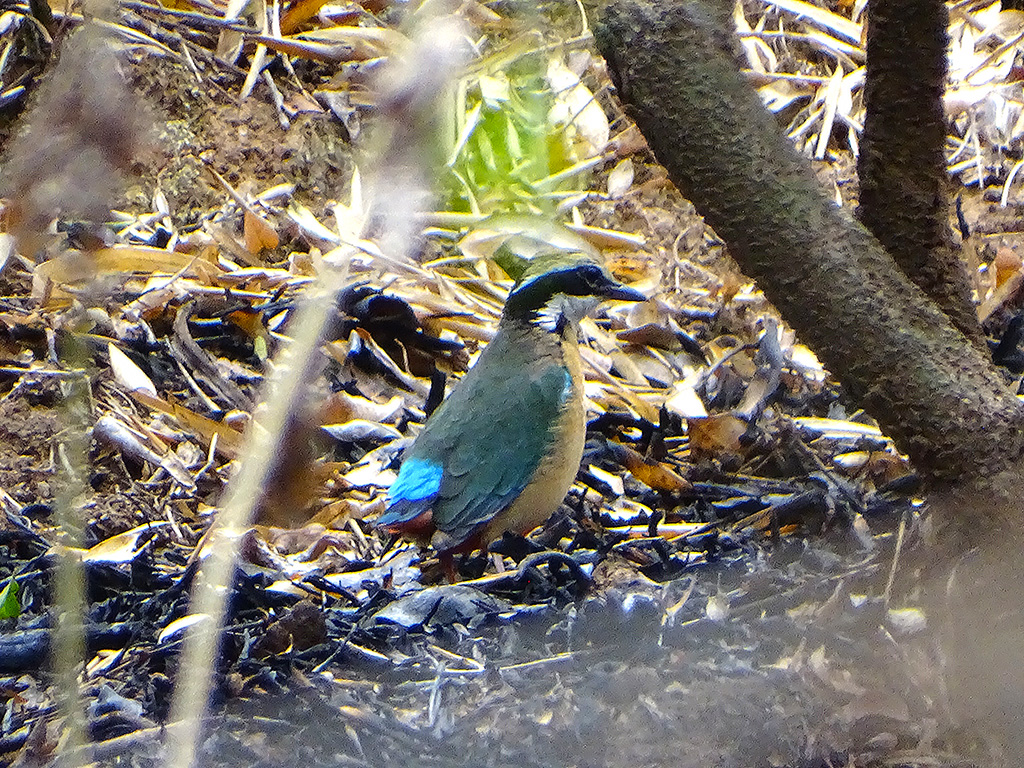
Indian pitta
Old magazine house, Dandeli,Karnataka
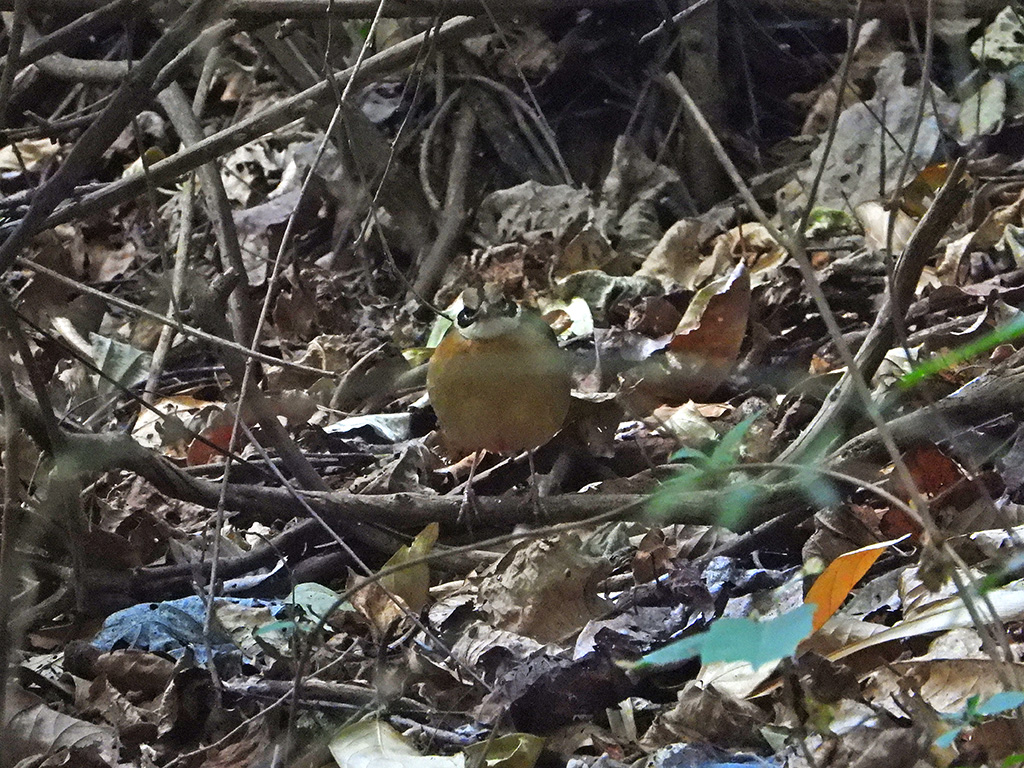
Daroji nature camp,Karnataka
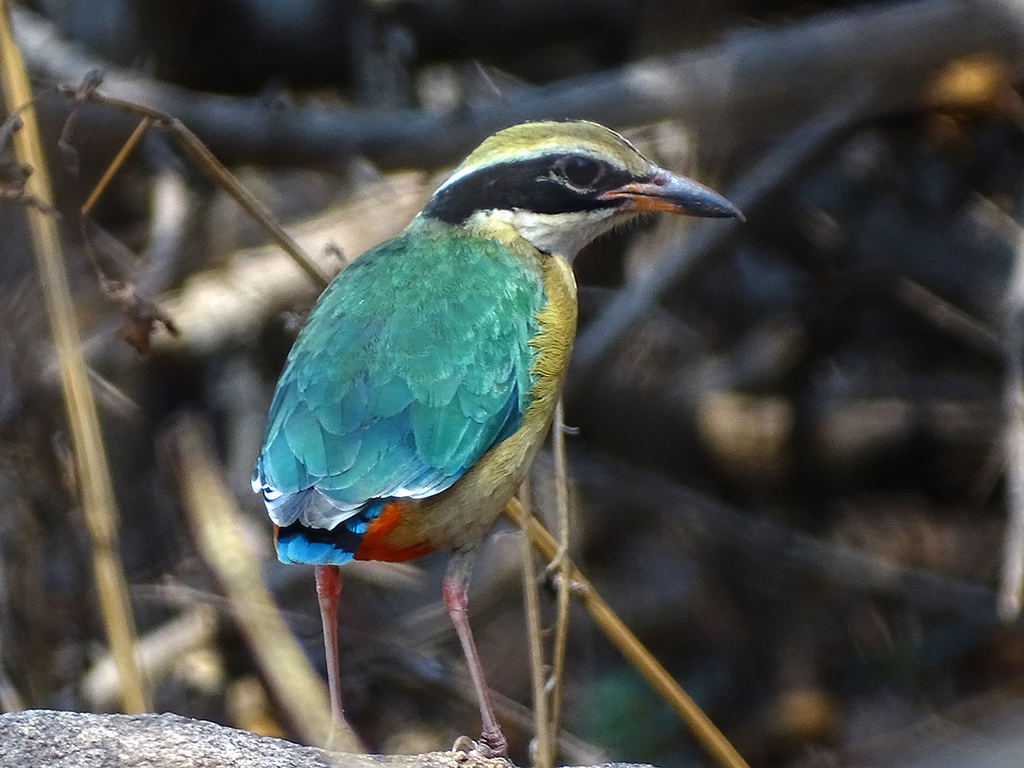
Malemath's eco firm, Hampi,Karnataka
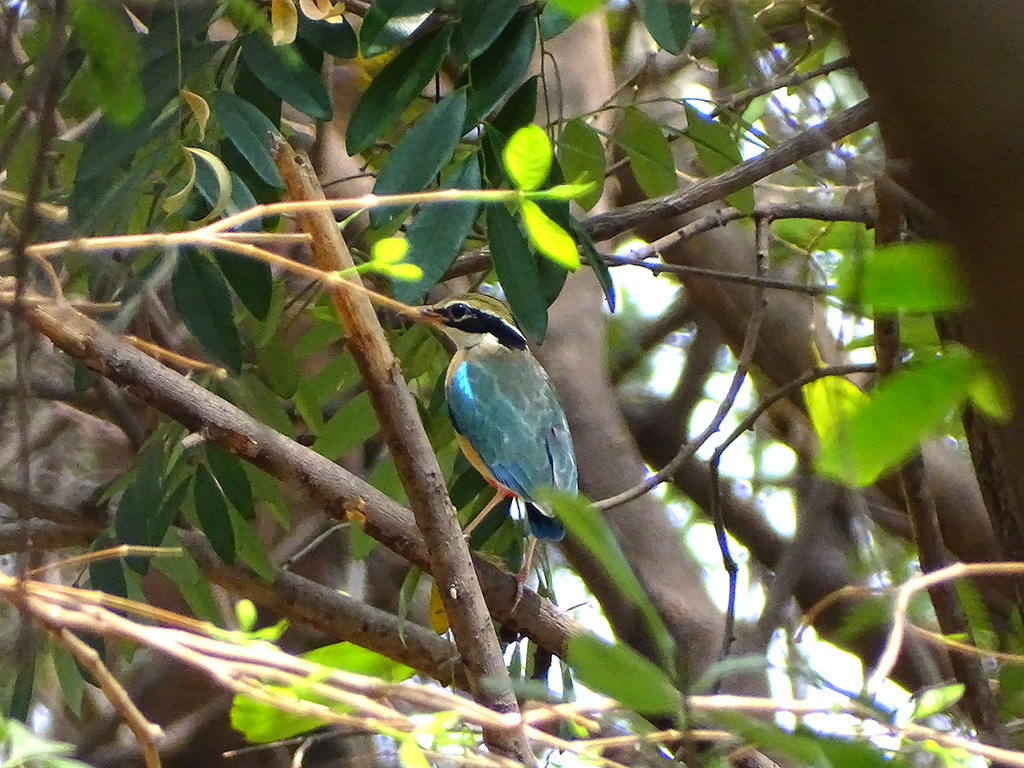
Muthyala Maduvu, Anekal,Karnataka
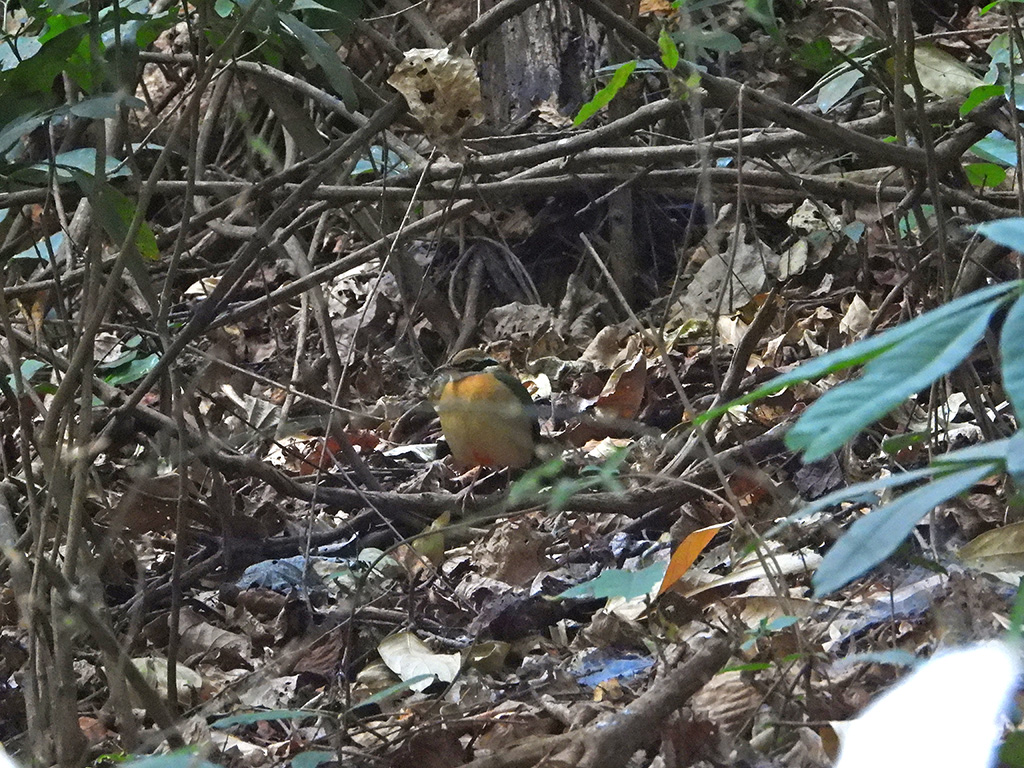
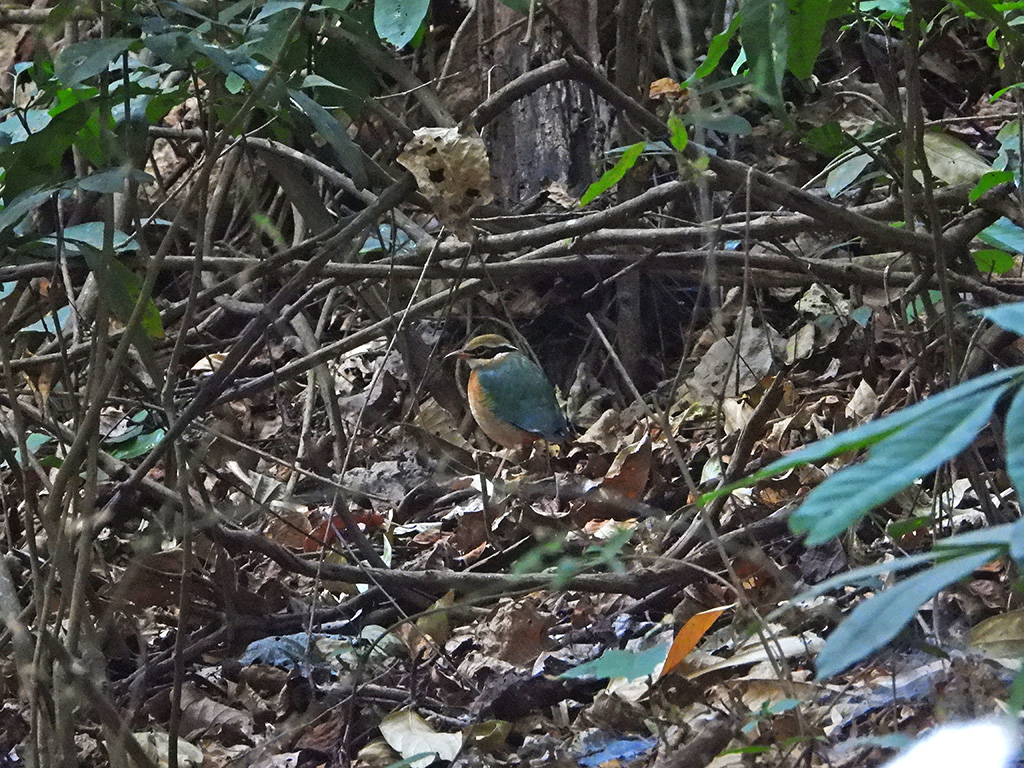
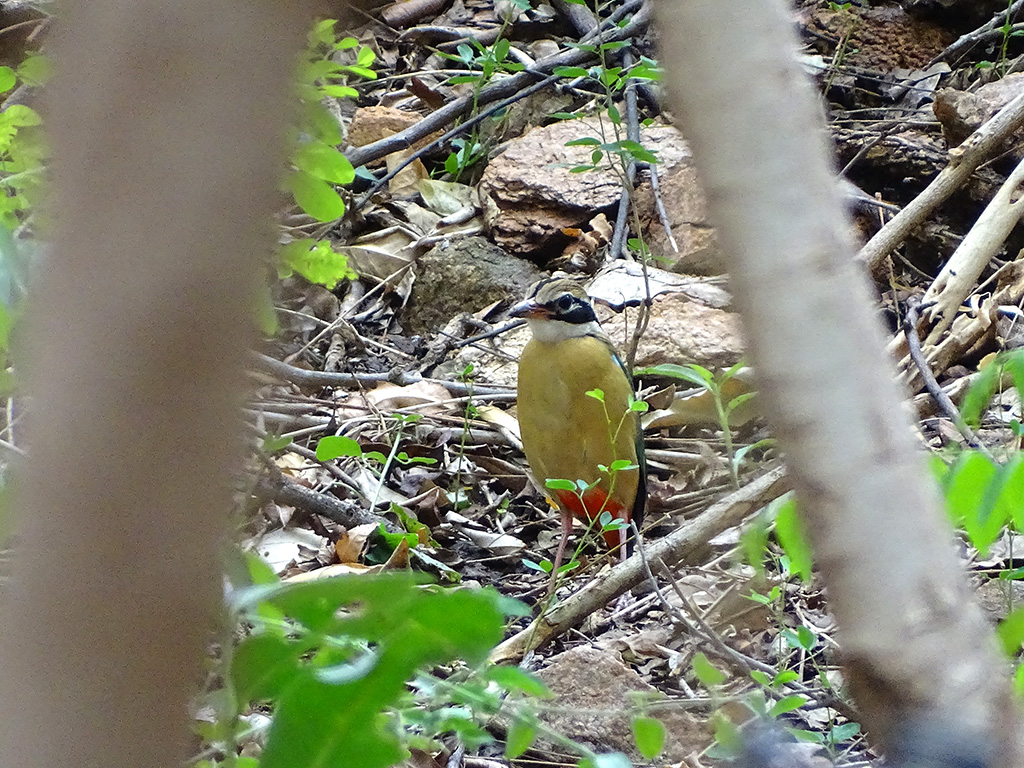
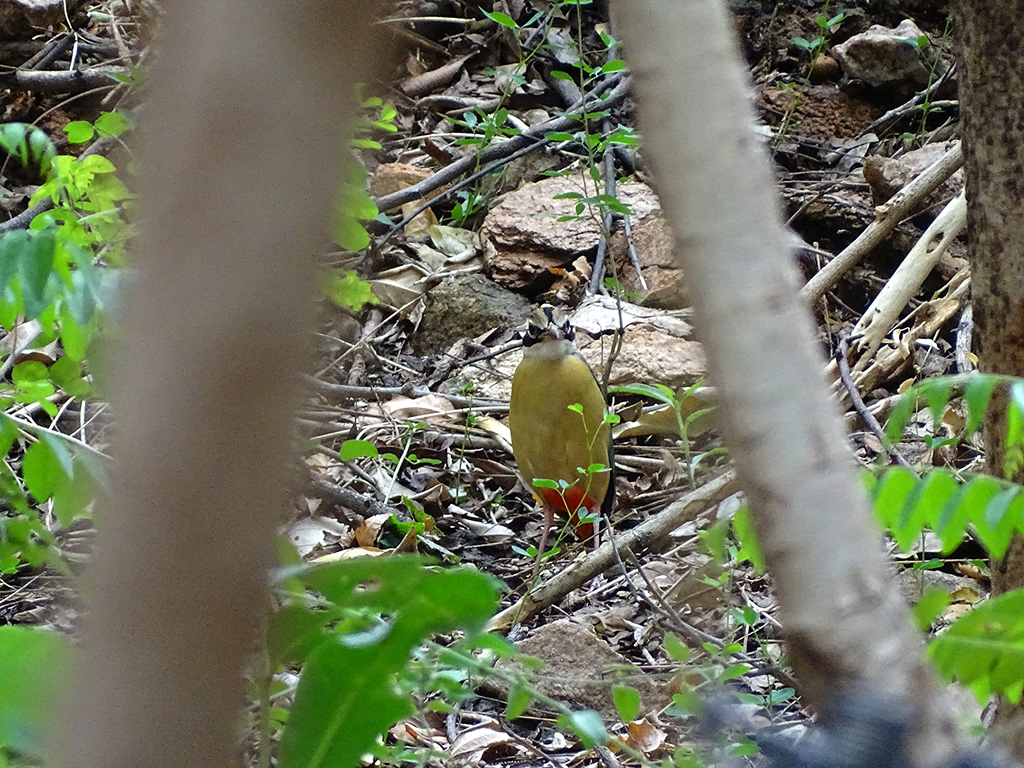
One of the most beautiful birds and probably every birder's favourite Indian pitta has total 9 colors in it's body. That's why it is called "Navrang" also. Colors present in its body are Black, White, Buff, Brown, Pink, Torque blue, Leaf green, Sky blue, Orange-red. In India we find it mostly from April to June, before monsoon it comes down to breed. This individual I have got in Pearl valley, there is a vast bamboo forest area. It was very shy in behaviour, generally it is not a very shy bird in many other places I have seen before. After trying for 3/4 days I managed to capture this pictures from my old camera.
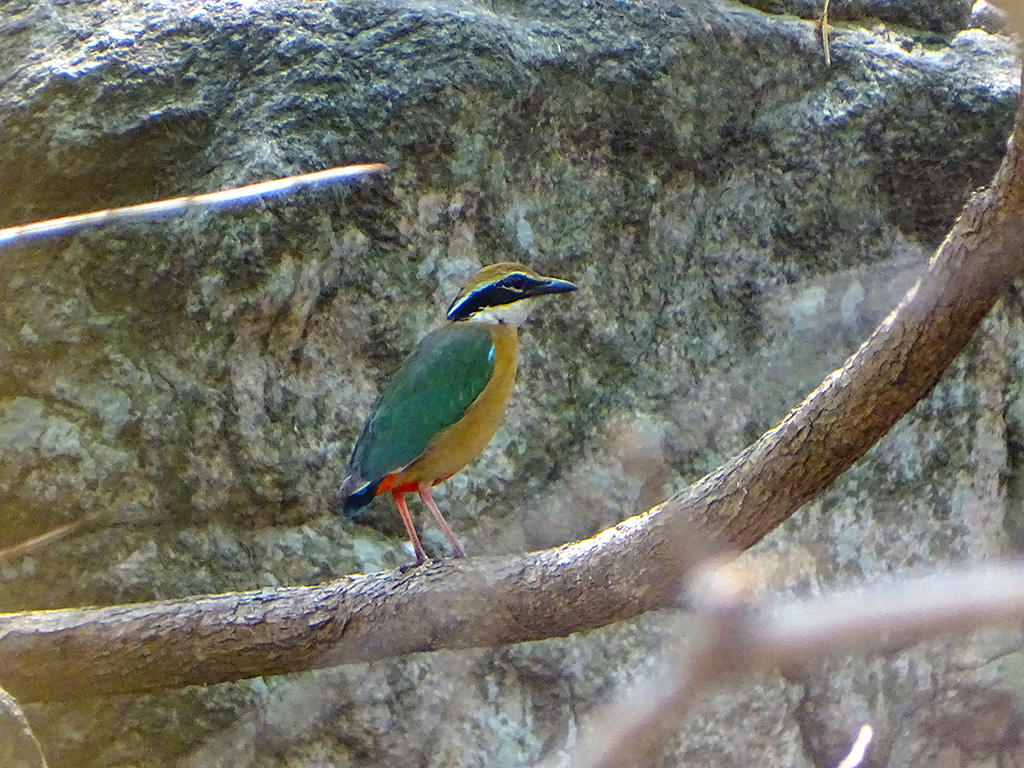
Information of Indian pitta
| IUCN (International Union for Conservation of Nature): | Least Concern |
|---|---|
| Approximate size(adult): | A medium-sized, brightly colored bird, about 17–20 cm long. It has a buff-colored crown stripe, green upperparts, blue wings, rufous vent, and pinkish legs. Known for its short tail and upright stance. |
| Resident/ Migrate from: | A seasonal migrant within the Indian subcontinent. Breeds mainly in northern and central India. |
| Migrate to: | Migrates southward to southern India and Sri Lanka during winter (roughly October to March). |
| Breeding season: | Typically from May to August, coinciding with the monsoon. Builds a globular nest of twigs and leaves close to the ground or in low trees. Lays 4–5 white eggs. |
| Breed in: | Prefers moist deciduous and scrub forests, often near water or dense undergrowth. Requires shaded, humid areas for nesting. |
| Habitat: | Found in forest floors, bamboo thickets, wooded gardens, and dense scrub. More often heard than seen due to its secretive nature; call is a loud “wheeet-tew” or “two-note whistle”. |
| Diet: | Feeds on insects, earthworms, termites, snails, and small invertebrates, which it gleans from the forest floor by hopping and probing the leaf litter. |