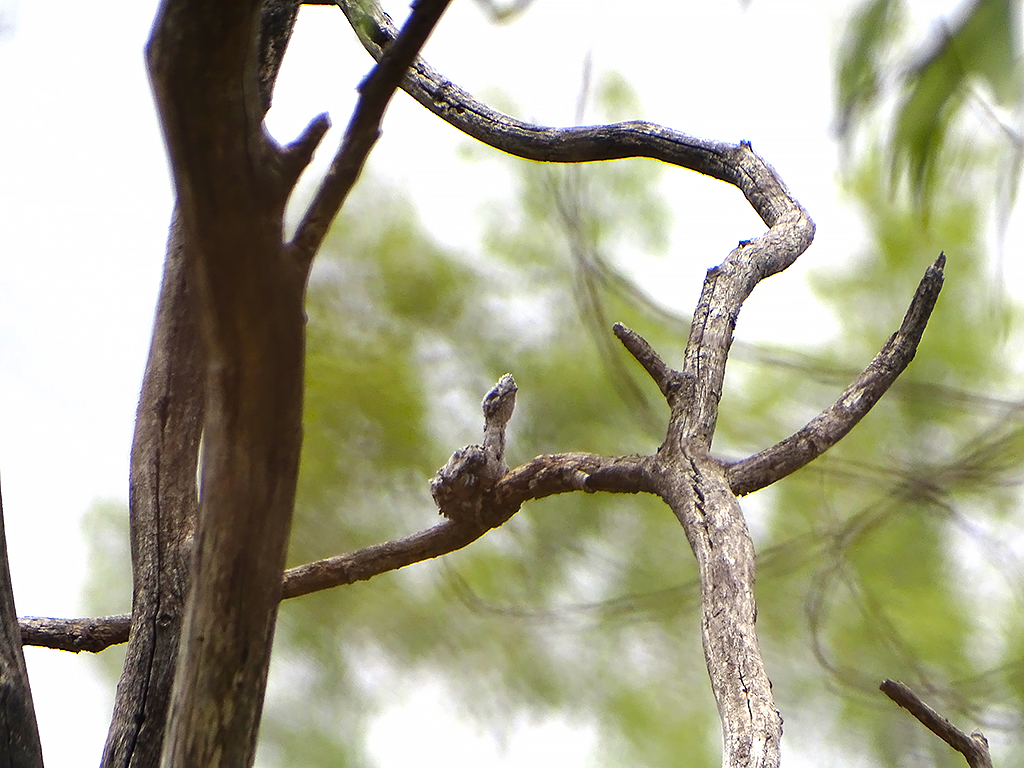
Crested treeswift
Muthyala Maduvu, Anekal,Karnataka
Crested tree swift is titled as a star bird in 2024 due to show up in a broader way along with its nest and chick. There were 3 dead long trees where it nested and hatched total 3 chicks.
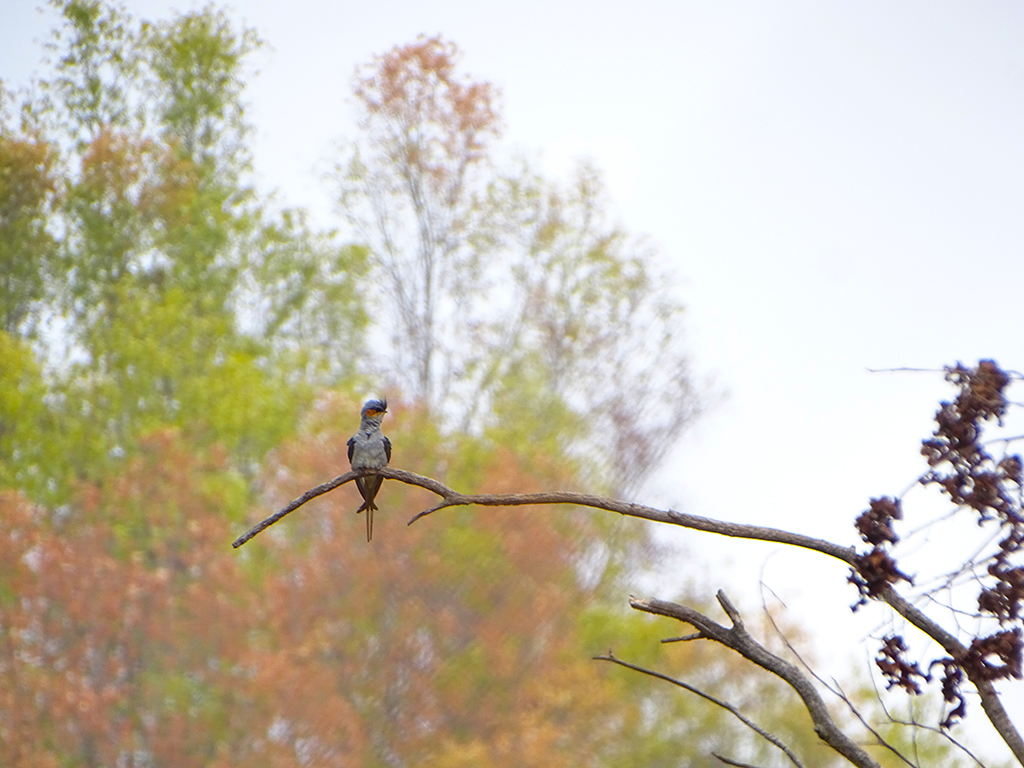

When the chicks were too small, male bird always try to protect his baby by sitting beside it and feed it now and then. It always twitters and flying around that tree and look after its baby. The color of the male adult bird is pretty vibrant and the body strict is pretty steady. And that crest looks like a super cool spikes of human hair.

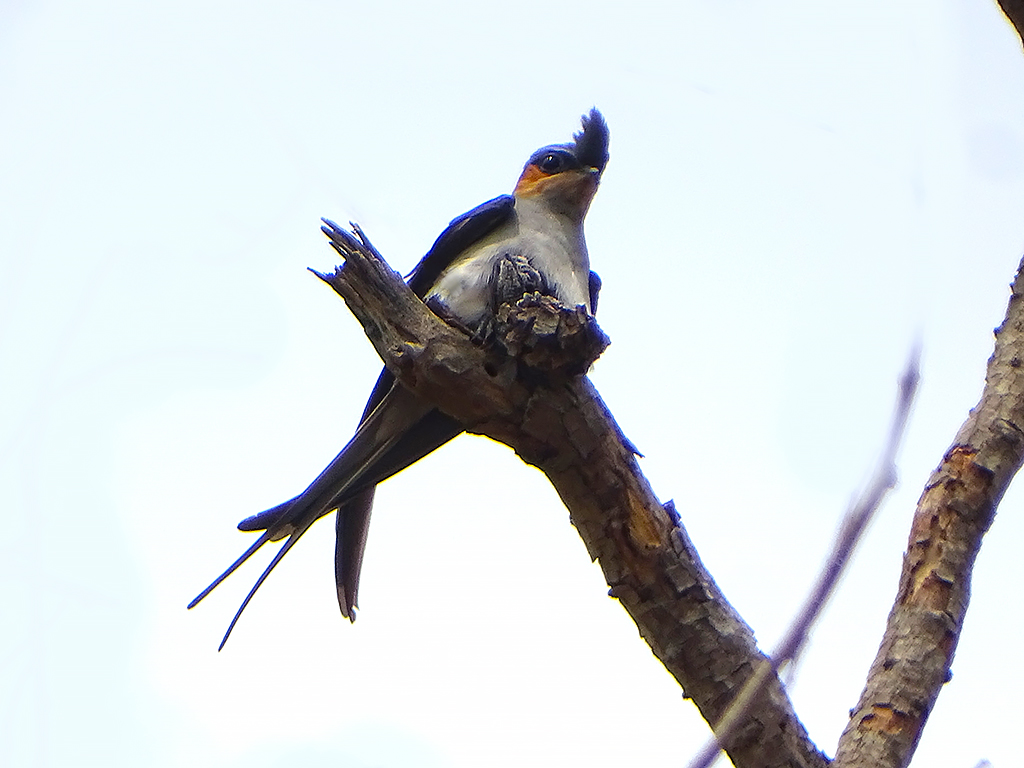
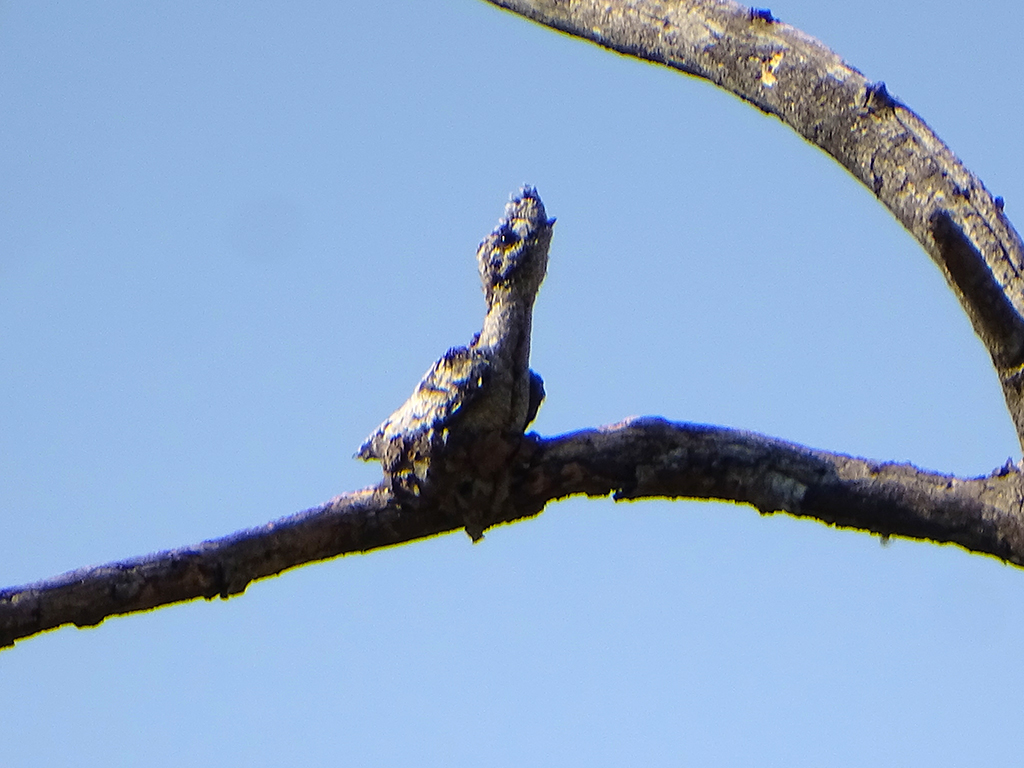
This is the baby picture when it was 3 weeks old. That time it rarely move its neck. Mom and dad used to come now and then, feed and fly around twittering. It was a lovely show though.
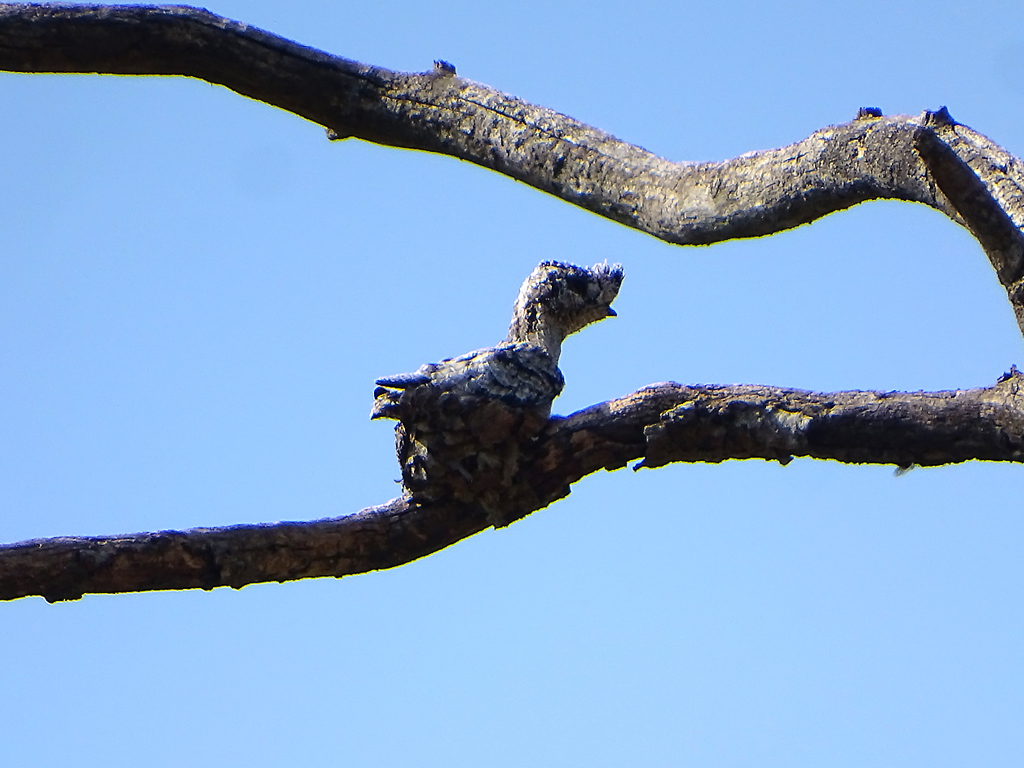
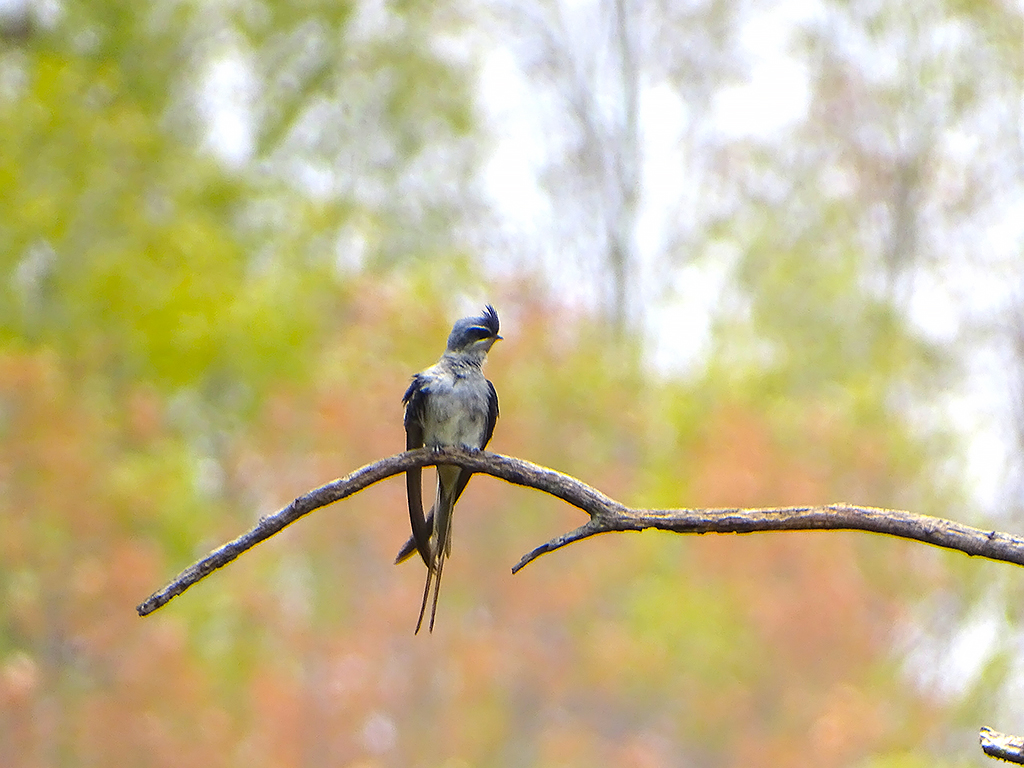
This is an amazing perch and background which every birders were looking for this year. The female tree swift resting after flying around for long time.
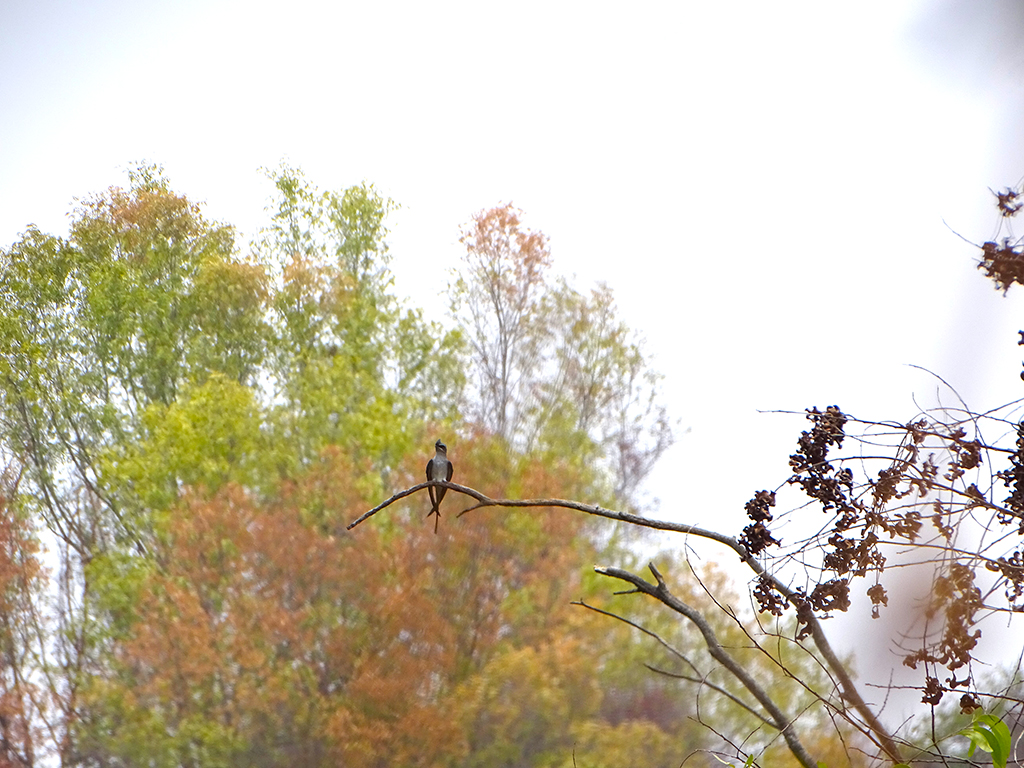
This is female Treeswift which doesn’t have orange cheeks like the male bird. But the build is almost same like male. It was such a careful mother though. It eased to sit several minutes to protect her baby. It was such a lovely expression to watch the chick stretching its wings and feeling its mother touch and warmth. Gradually we see it growing up.
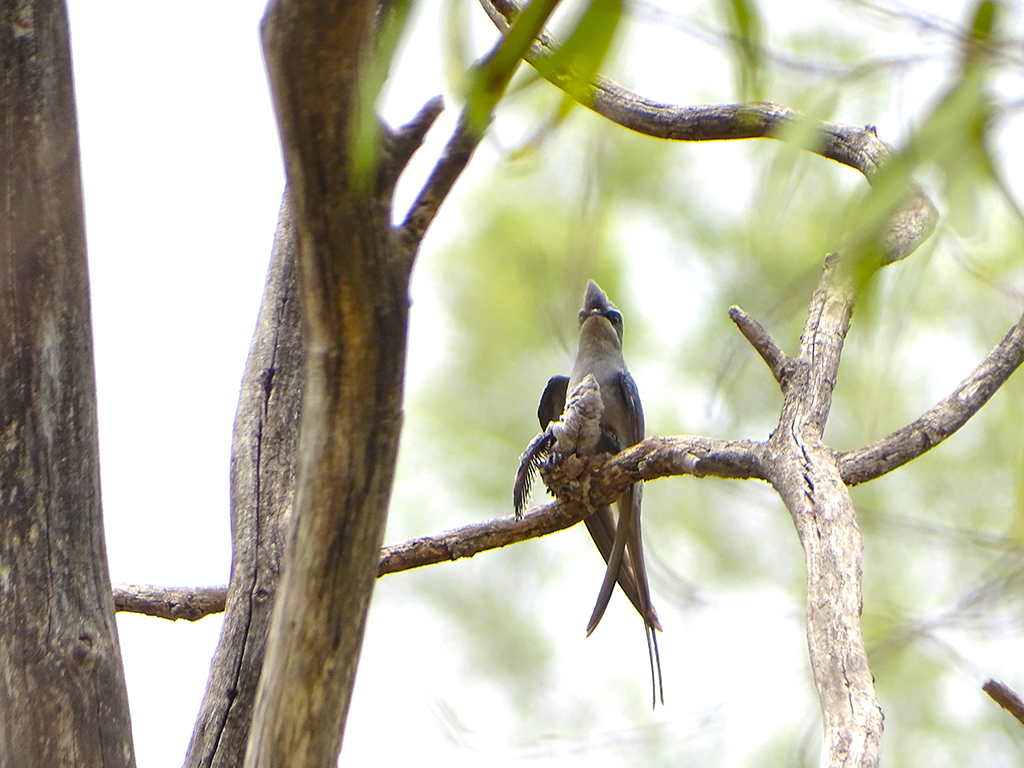

These are the two different trees among 3, where they nest this year. Birders was crazy about the first one because it gave some eye level view to take photographs and for the other one you need to take photographs from the ground. That is why most of the time you will get belly shot only.