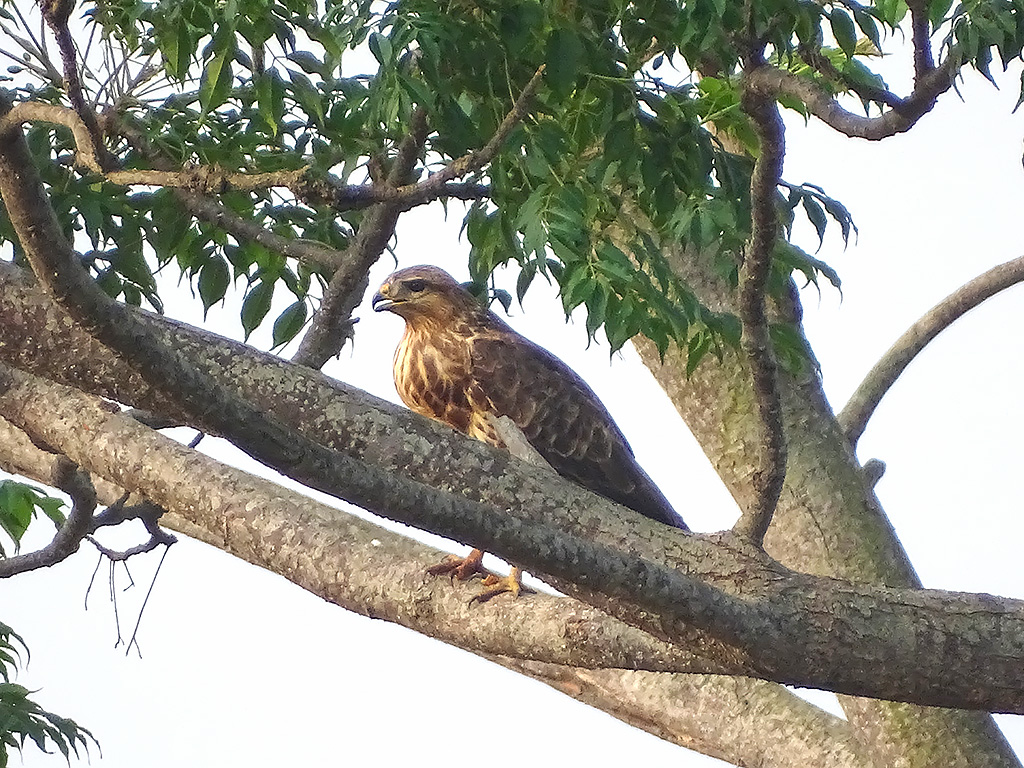
Common buzzard
Kotagiri,Tamil Nadu
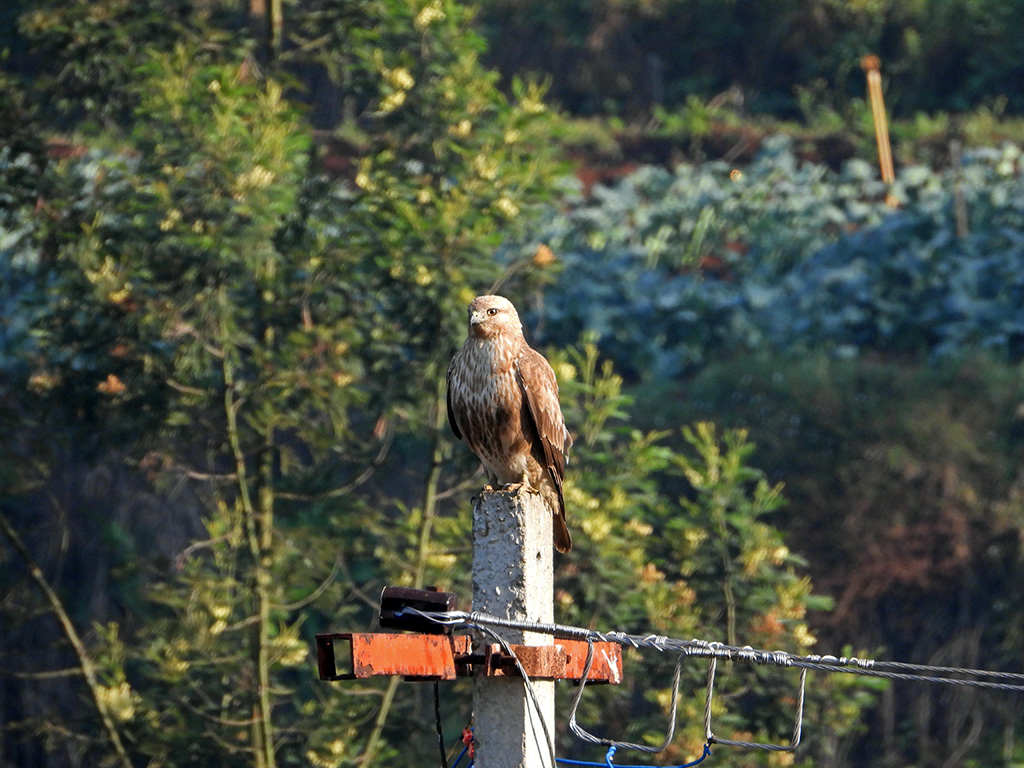
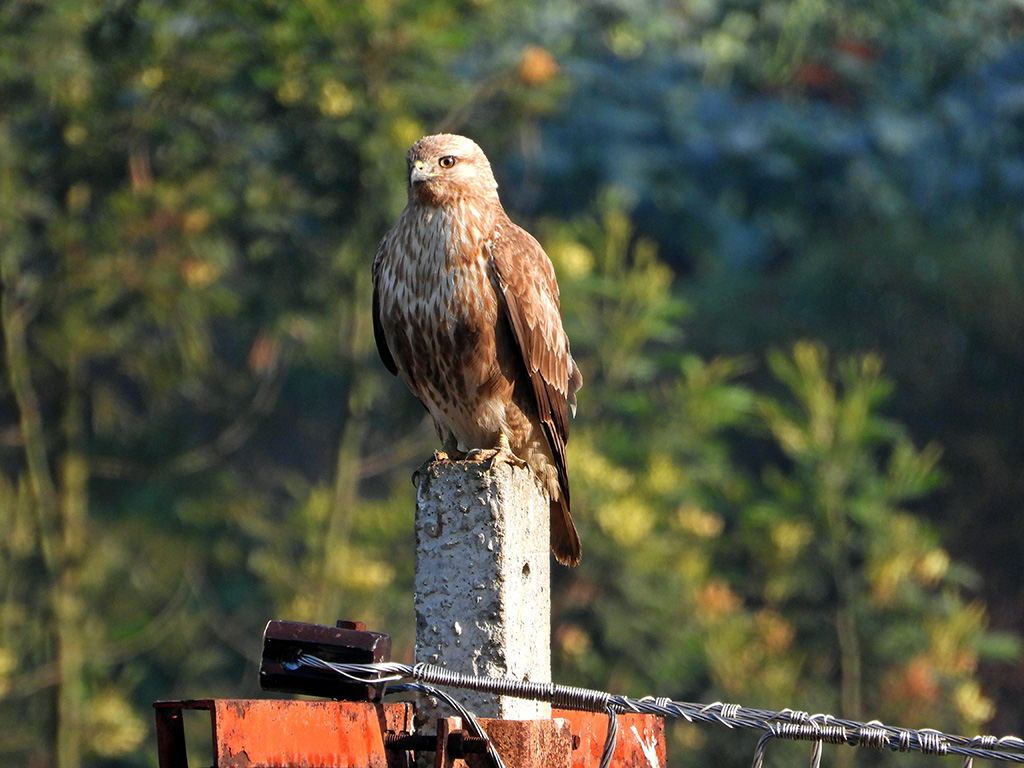
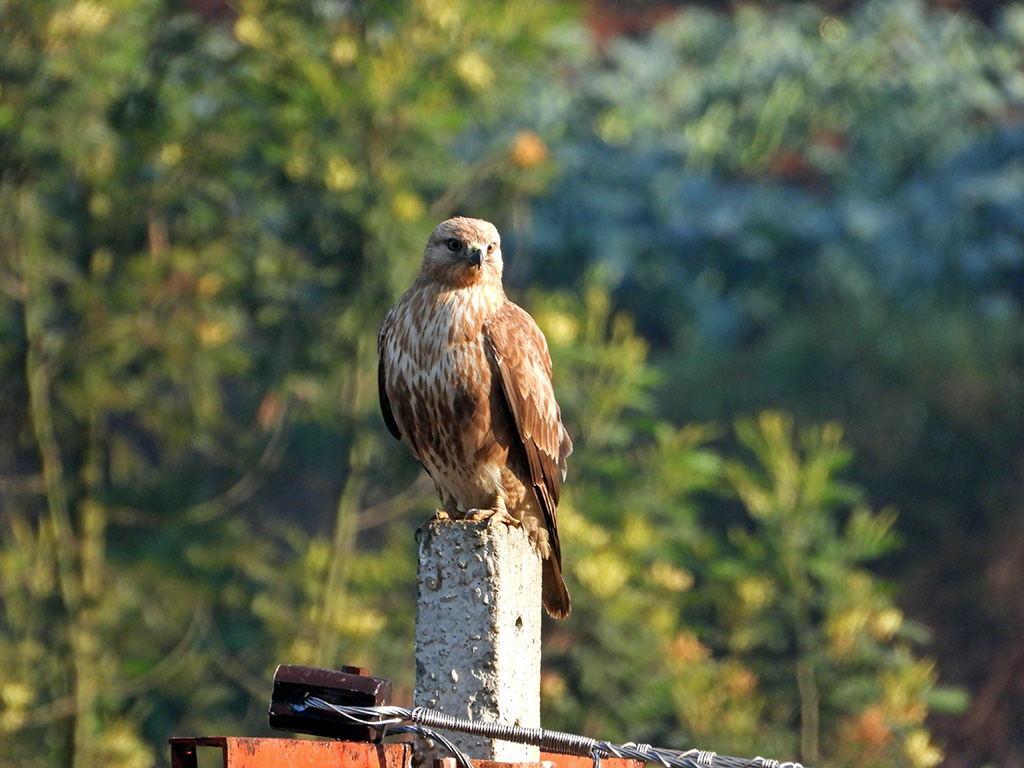
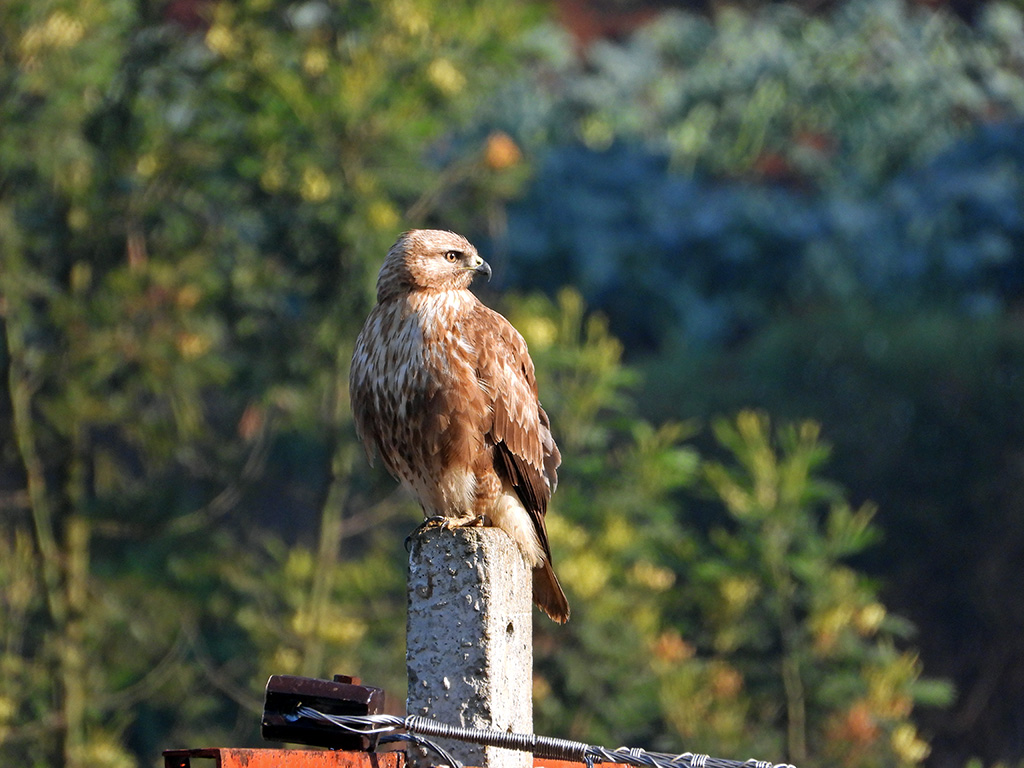
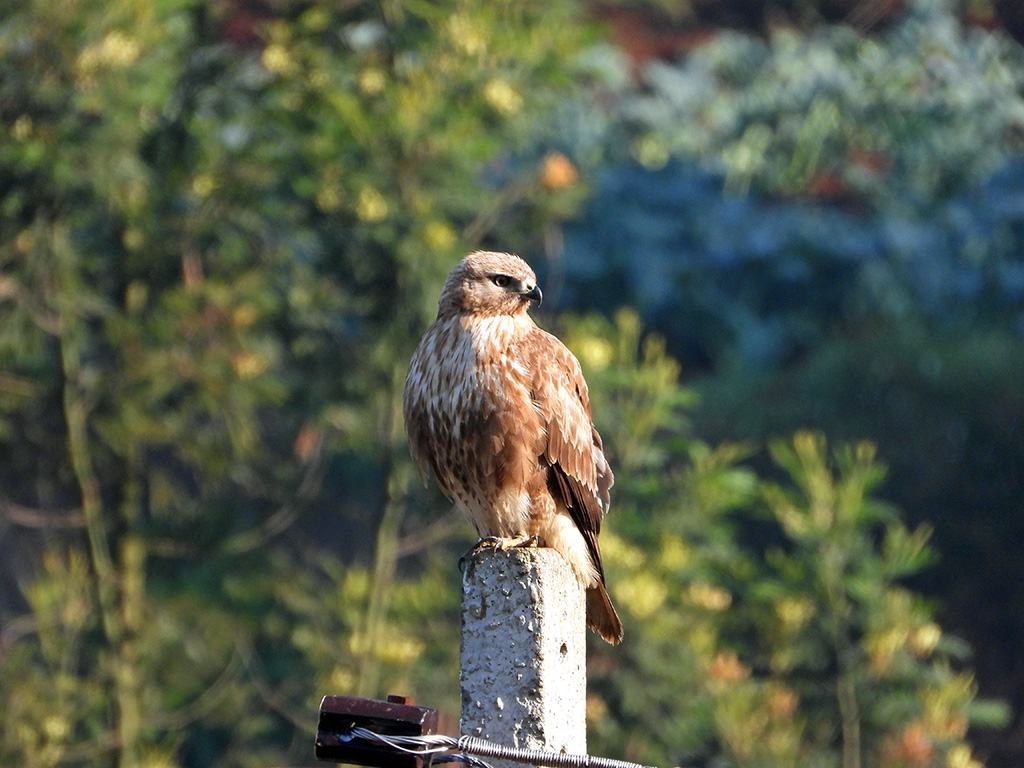
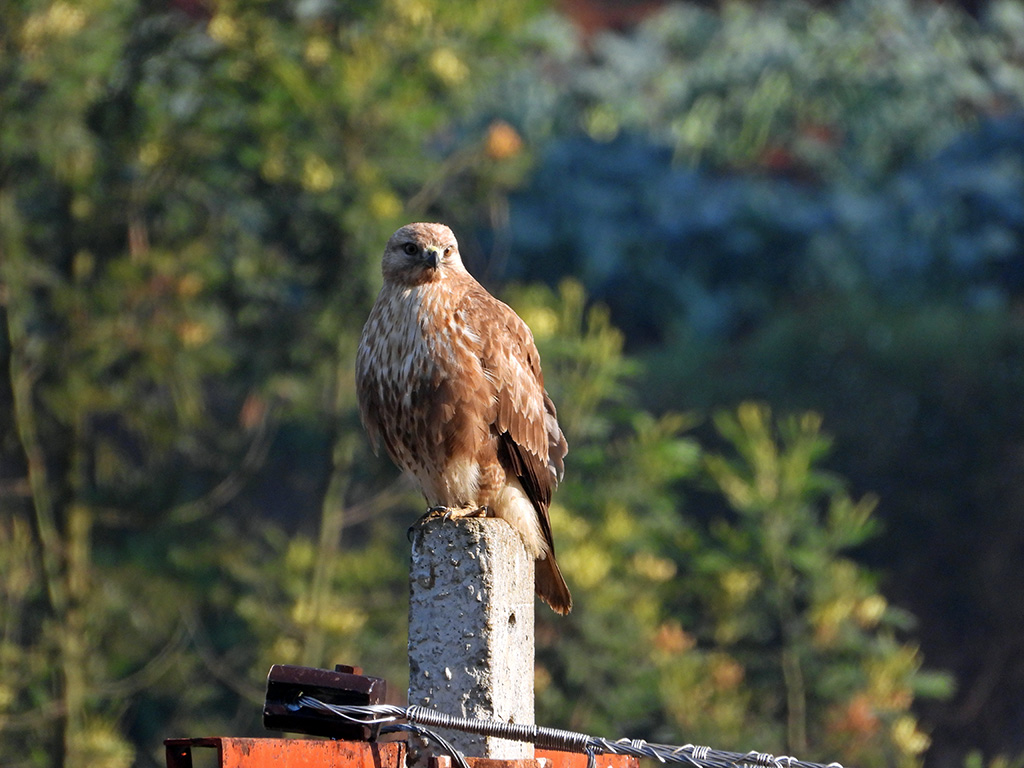
Jigni Kere,Karnataka
Even though the name of the bird is the Common Buzzard, it is not common at all. In Bangalore, you can count the places where this bird can be found as a winter migrant. Jigani Lake is one of the few places where it appears for a few days in January and February. Surprisingly, despite being a buzzard, it is not as shy as the White-eyed Buzzard. The main challenge I face is that if a raptor gets disturbed once, it becomes almost impossible to capture it again. In Jigani, it prefers the same tree to perch on, and its timing remains quite consistent every year. The build of this buzzard is quite bulky, with more compact plumage than other buzzards. When I observe birds, I pay close attention to their gestures and activities. I noticed that this particular buzzard rarely closes its mouth. I am unsure whether this is a general characteristic of the species or just the behavior of this individual. It frequently looks around, probably searching for prey or staying alert to ensure it remains unnoticed while perching. I still remember how happy I was to spot this bird there. Today, I think about how I wish I had a new camera back then—I could have taken better pictures or even made a documentary about this beautiful species.