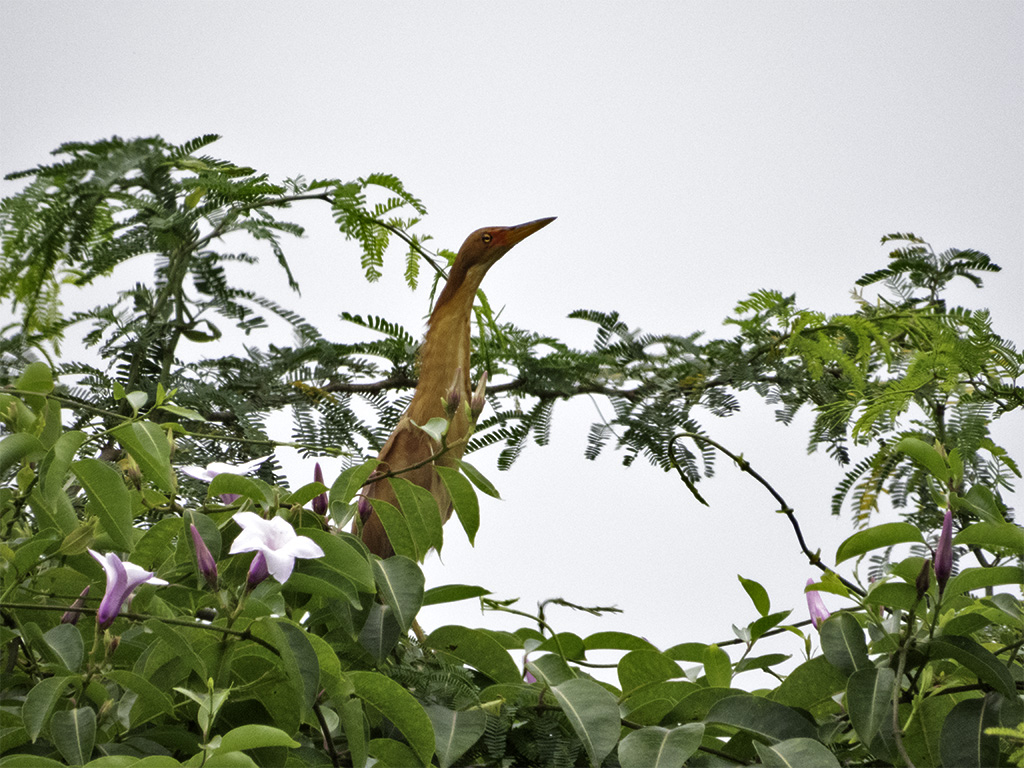
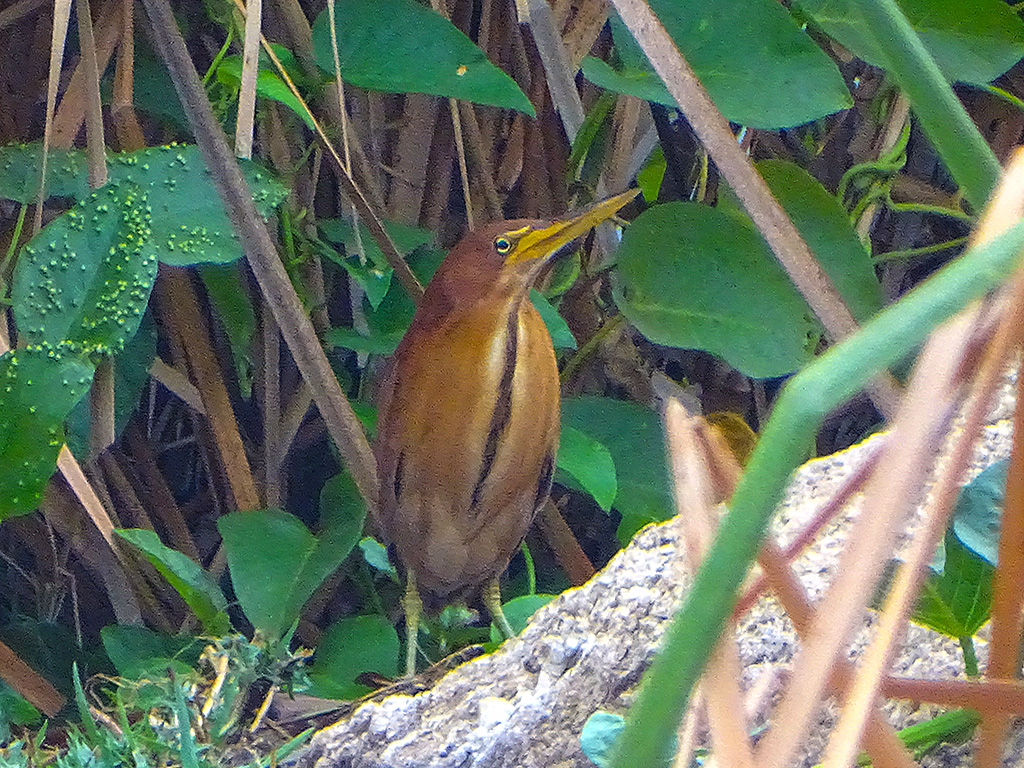
Cinnamon Bittern
Bhigwan Bird Sanctuary,Maharashtra
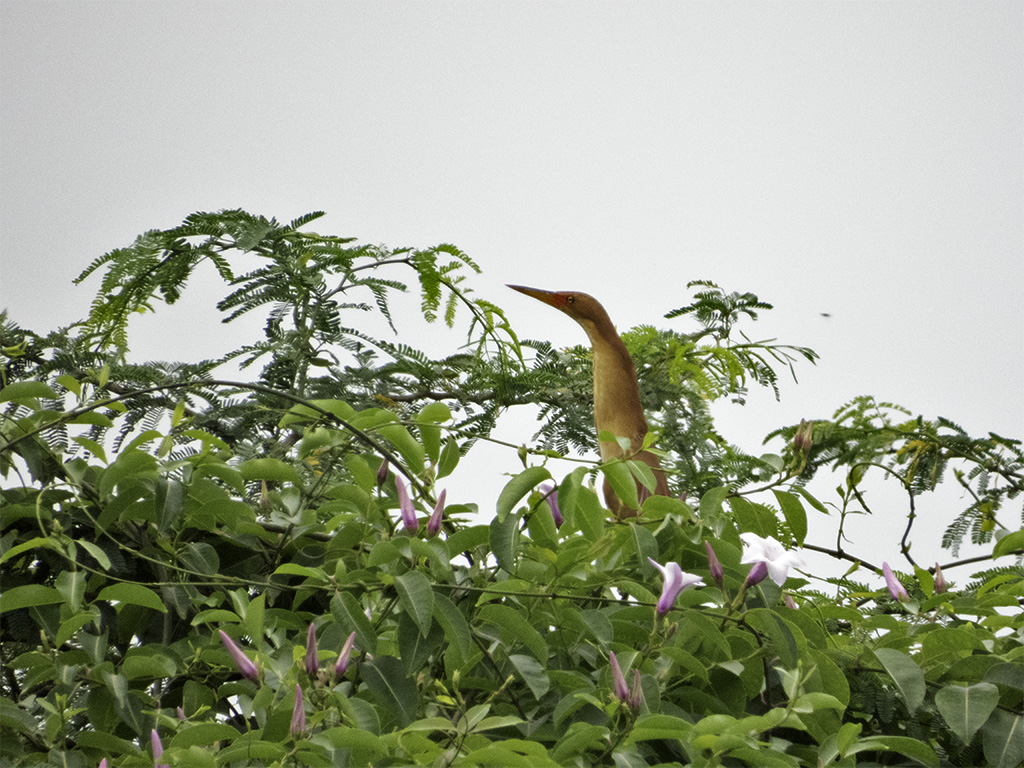
Byatarayana Doddi Kere,Karnataka
An absolutely stunning bittern, found mostly near water bodies filled with hyacinth plants or hanging on reeds beside ponds or lakes, often in search of fish. The unique feature of this bird is its cinnamon-colored body feathers, which can be identified from afar. Its eye pattern is peculiar, and like other bitterns, it stares directly at any object. For the first time in my life, I saw this bittern in Ambika Kalna, West Bengal. Since then, I have seen it a few more times but was unable to capture it for various reasons. However, my search was not over. Recently, I found it in Byatarayana Doddi Kere in Karnataka. I was so happy to see this bird, which was not very shy and gave me enough time to capture it.
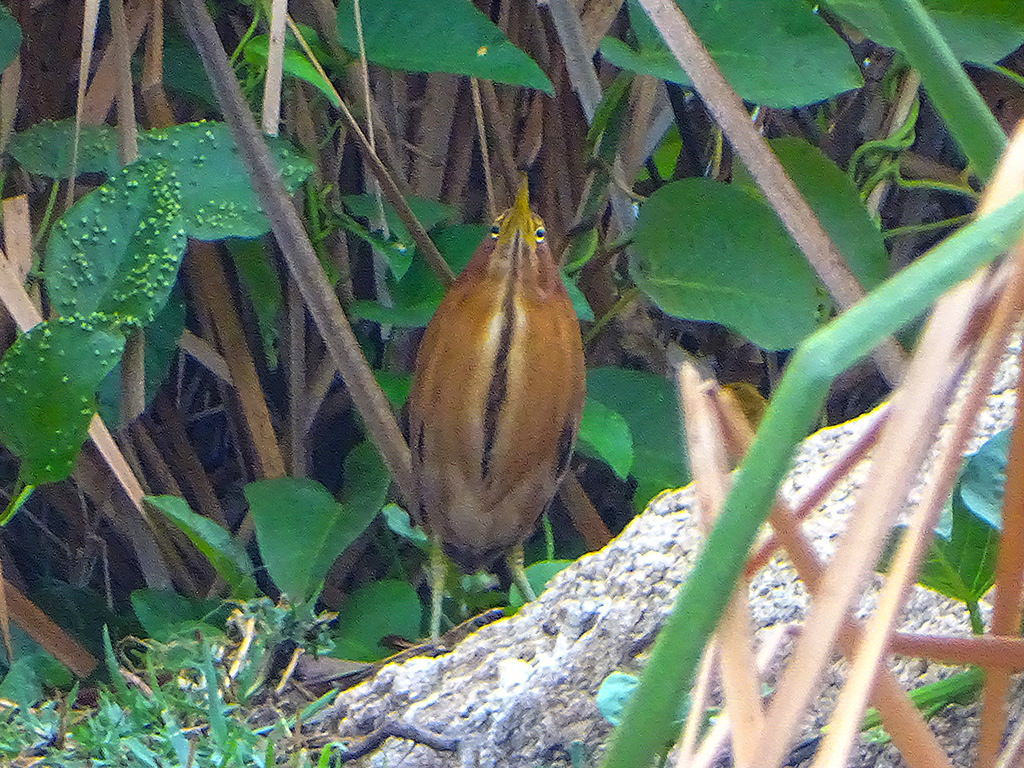
Information of Cinnamon Bittern
| IUCN (International Union for Conservation of Nature): | Least Concern |
|---|---|
| Approximate size(adult): | Length about 38–40 cm; wingspan around 55–60 cm; weight 100–150 g. A small heron with rich cinnamon-brown plumage, yellowish legs and bill, and paler underparts. Males are more uniformly rufous, while females show streaked underparts. |
| Resident/ Migrate from: | Resident and locally migratory across South and Southeast Asia, including India, Sri Lanka, China, Japan, and Indonesia. |
| Migrate to: | Some northern populations migrate southwards during winter; in India and Southeast Asia, it remains largely resident with local movements tied to rainfall and water levels. |
| Breeding season: | Mainly May to September in India, coinciding with the monsoon season. Breeding may vary across regions depending on wetland conditions. |
| Breed in: | Builds a platform nest of reeds and grass, usually well-concealed among thick vegetation near water. Lays 4–6 pale blue-green eggs. Both parents share incubation and chick-rearing. |
| Habitat: | Prefers marshes, reed beds, paddy fields, ponds, and lakes with dense aquatic vegetation. Often keeps hidden within reeds and emerges to feed at dawn and dusk. |
| Diet: | Feeds on fish, frogs, aquatic insects, crustaceans, and small reptiles. Hunts stealthily by standing motionless or slowly stalking prey in shallow water. |