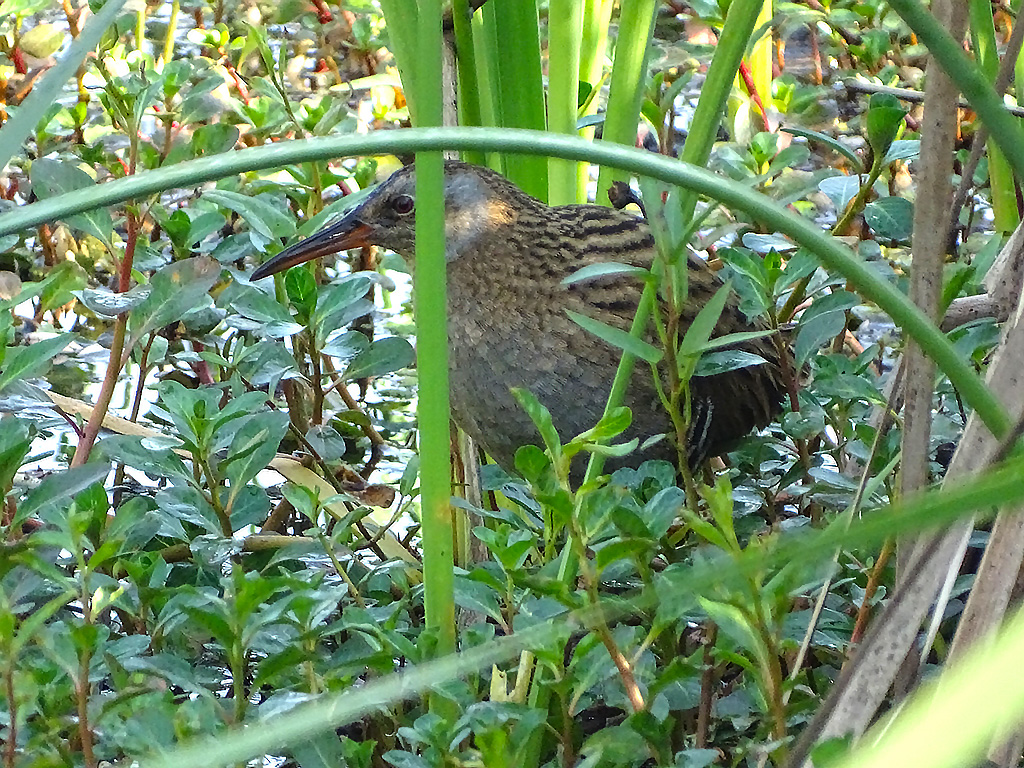
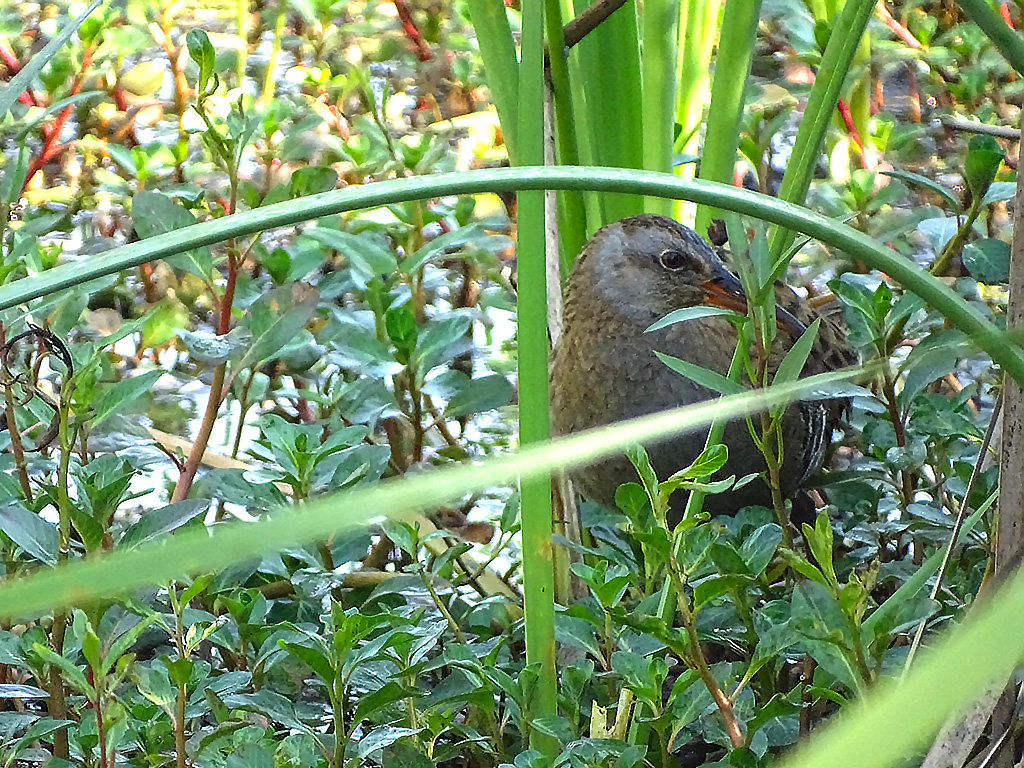
Brown-cheeked rail or Eastern rail
Happy Valley, Baruipur,West Bengal
It was a perfect, bright morning when I used to live in Kolkata. Within a week, we received information about this rare and exclusive bird via Facebook in the Baruipur Wetland. I eagerly awaited the earliest weekend to visit Baruipur, fearing that the bird might disappear before then. By God's grace, it stayed through the weekend, and along with 30 other birdwatchers from Kolkata, I had the opportunity to observe and photograph the bird.
Due to the dense reeds in that particular area, it was not visible for a long time. It was morning when it started foraging in the wetland and moving back and forth. Its extremely beautiful plumage and behavior caught our attention. We began taking as many photos as we could. I wish I could have made a video, but I ended up capturing a few images, which Iām sharing here. Thanks to God for creating this beautiful species.
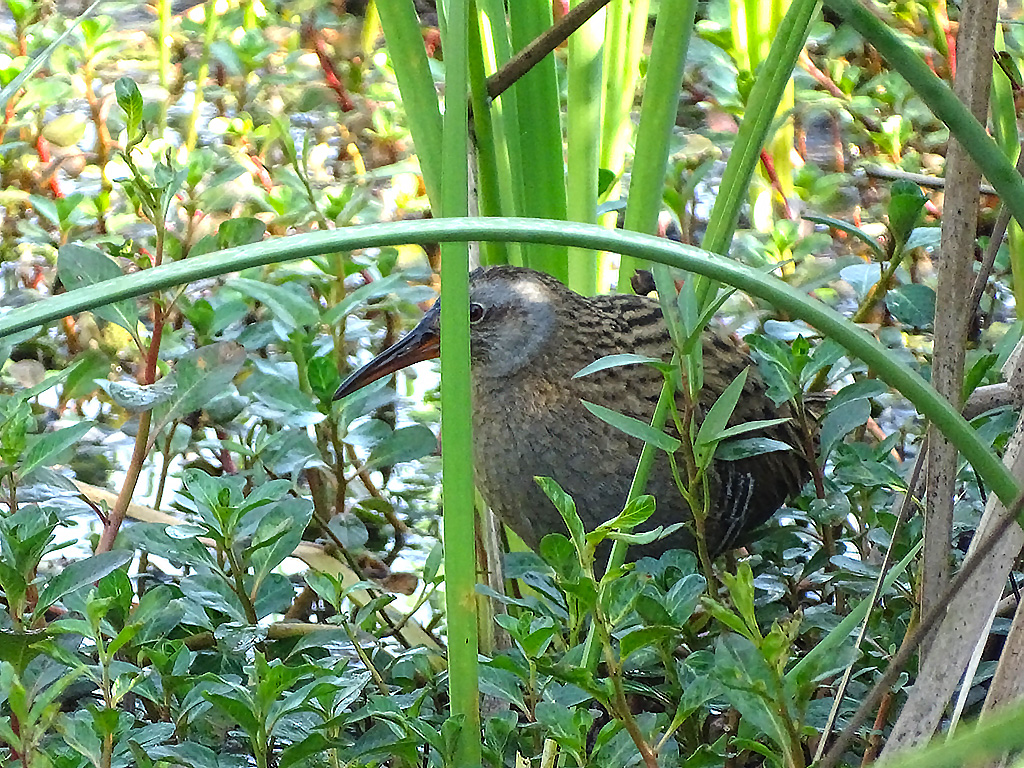
Information of Brown-cheeked rail or Eastern rail
| IUCN (International Union for Conservation of Nature): | Least Concern |
|---|---|
| Approximate size(adult): | A medium-sized rail measuring 25–30 cm in length. It has brown upperparts with streaks, greyish underparts, and a reddish-brown cheek patch. The bill is slightly long and reddish. |
| Resident/ Migrate from: | Breeds in northeast Asia, including Siberia, Mongolia, and northern China. Populations in India and South Asia are migratory winter visitors. |
| Migrate to: | Winters in South and Southeast Asia, including India, Sri Lanka, Bangladesh, and Myanmar, moving to marshes, rice paddies, and freshwater wetlands. |
| Breeding season: | Breeds in spring to early summer in northern Asia. Nests are concealed in dense marsh vegetation, with a clutch size of typically 4–7 eggs. |
| Breed in: | Prefers freshwater marshes, reedbeds, and wet grasslands in its breeding range. |
| Habitat: | In winter, inhabits rice paddies, wetlands, marshes, and shallow freshwater bodies, often with dense emergent vegetation. |
| Diet: | Feeds on insects, small mollusks, worms, and plant material, foraging by probing mud or shallow water. |