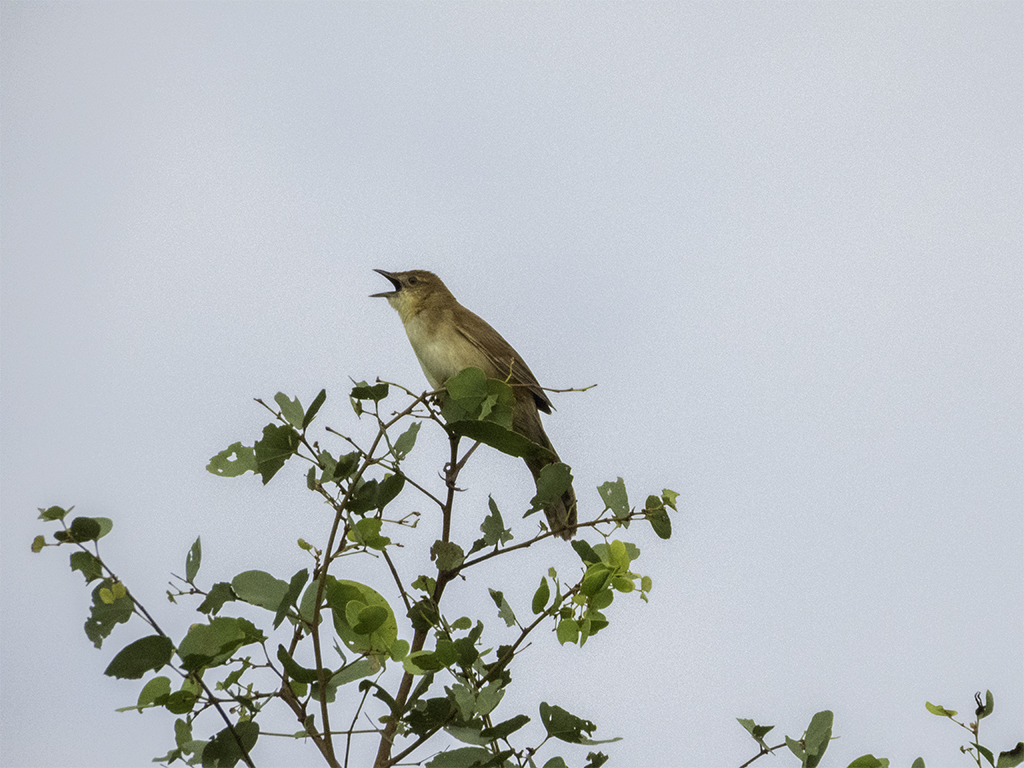
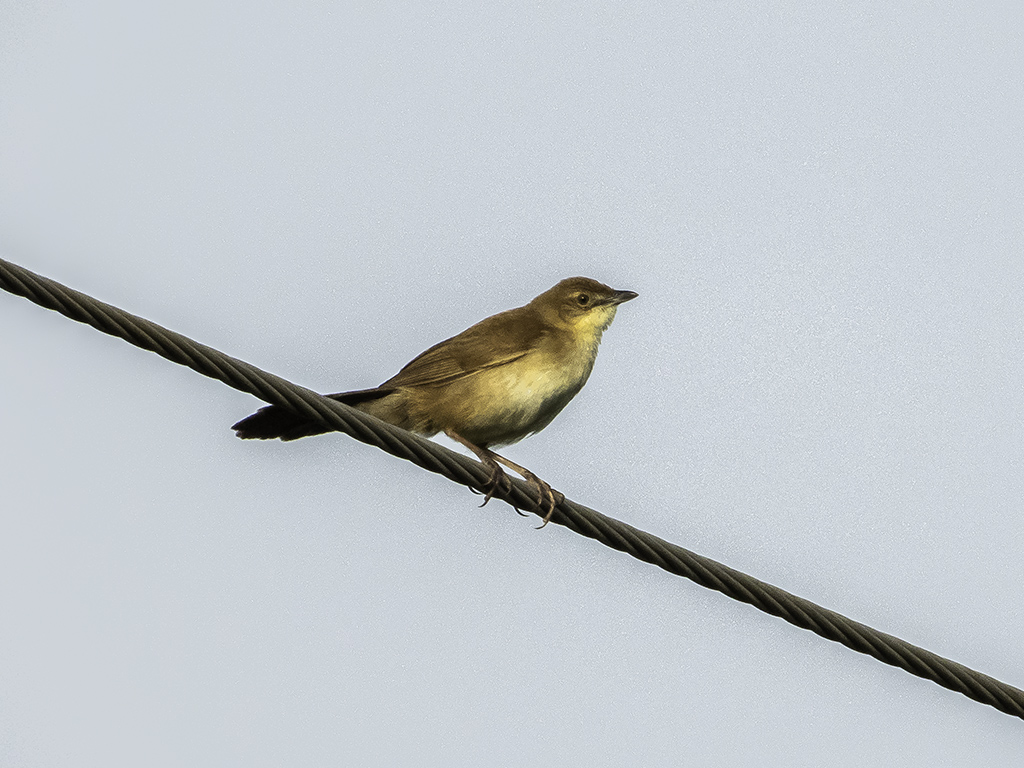
Broad-tailed grassbird
Saswad,Maharashtra
The best part about this bird is that it is not very shy and can be easily found because of its twittering. However, the most important thing is knowing the grassland where this bird can be found. If Kundan Bhai had not taken us there, we wouldn’t even have known where to find this bird. Overall, it was an excellent experience that we thoroughly enjoyed.
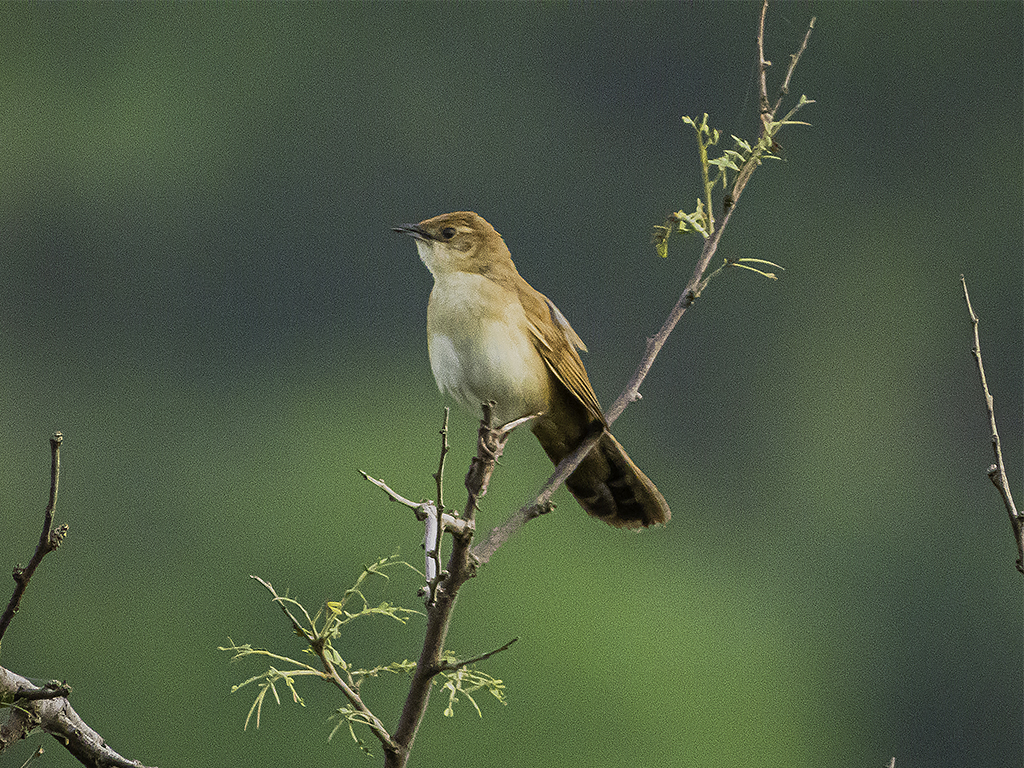

It was the first day of our Saswad-Bhigwan trip, and also the second bird of our trip. We went into the grassland with Kundan Bhai. Even though I could hear the chirping from afar, I did not know it was the Broad-tailed Grassbird. When we saw the bird, I was so happy to understand why it is called the Broad-tailed Grassbird. I noticed its intense, continuous chirping for a few minutes at the top of the tree. It would then fly away, only to return to the same perch and start chirping again.
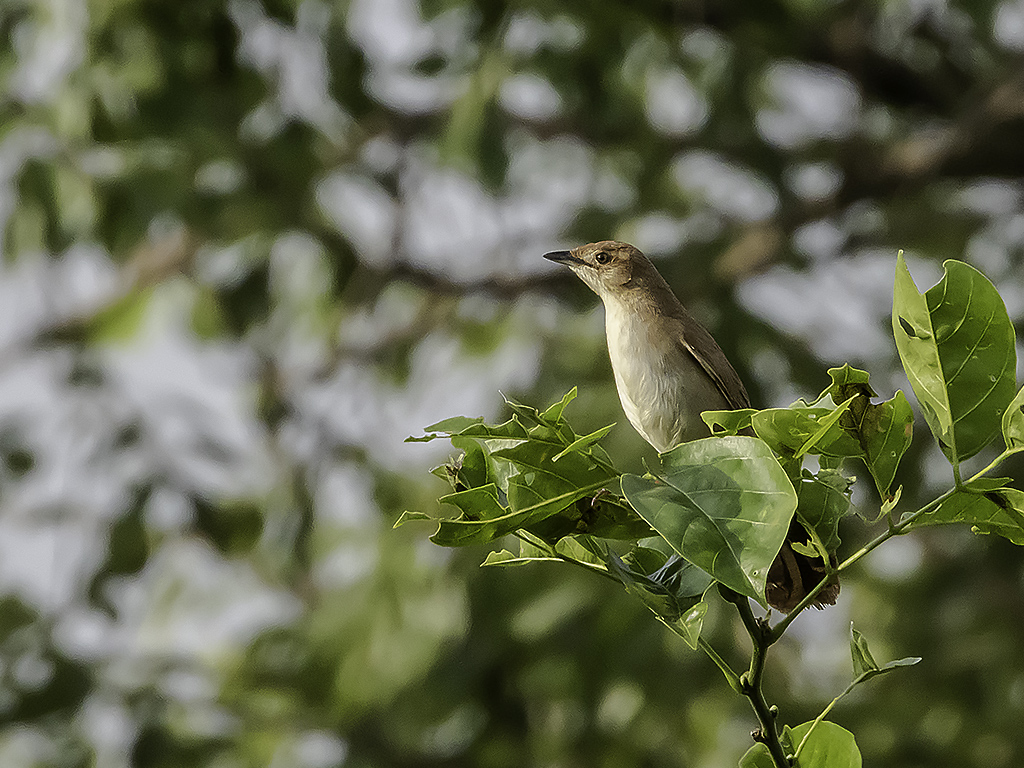
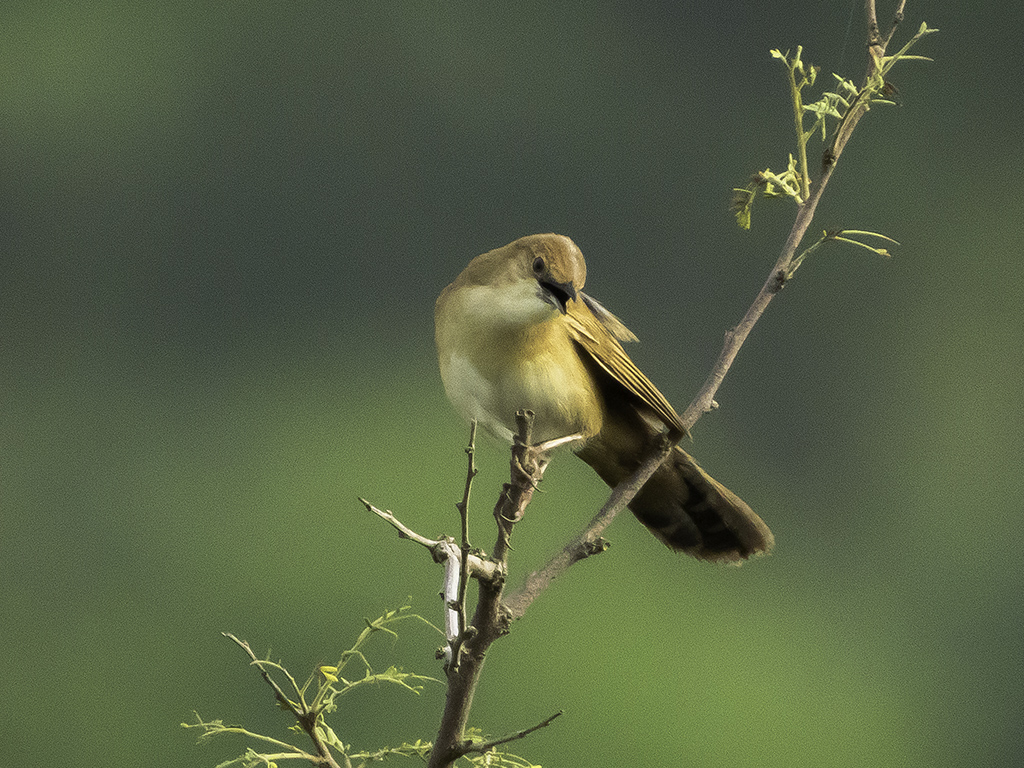
A very graceful and uncommon grassland bird, found only in the southwestern part of India. We were fortunate to observe this species in the Saswad grasslands. It wasn't on my wish list because I didn't know much about this bird. However, when I learned that we were going to photograph this individual, I was super excited.