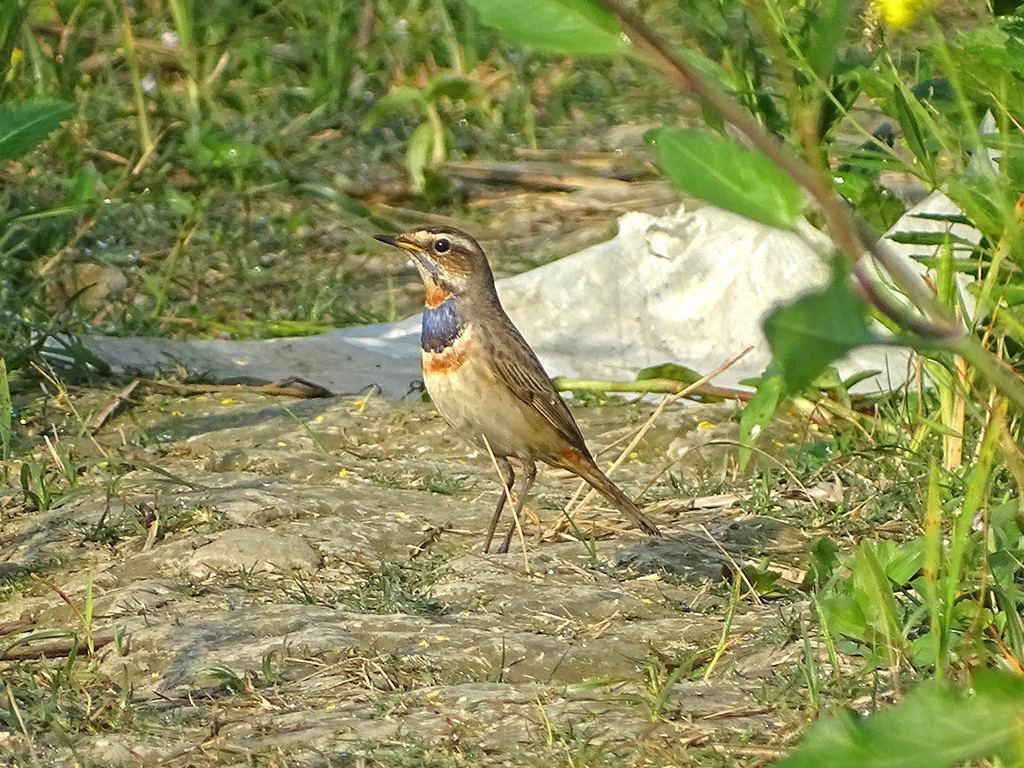
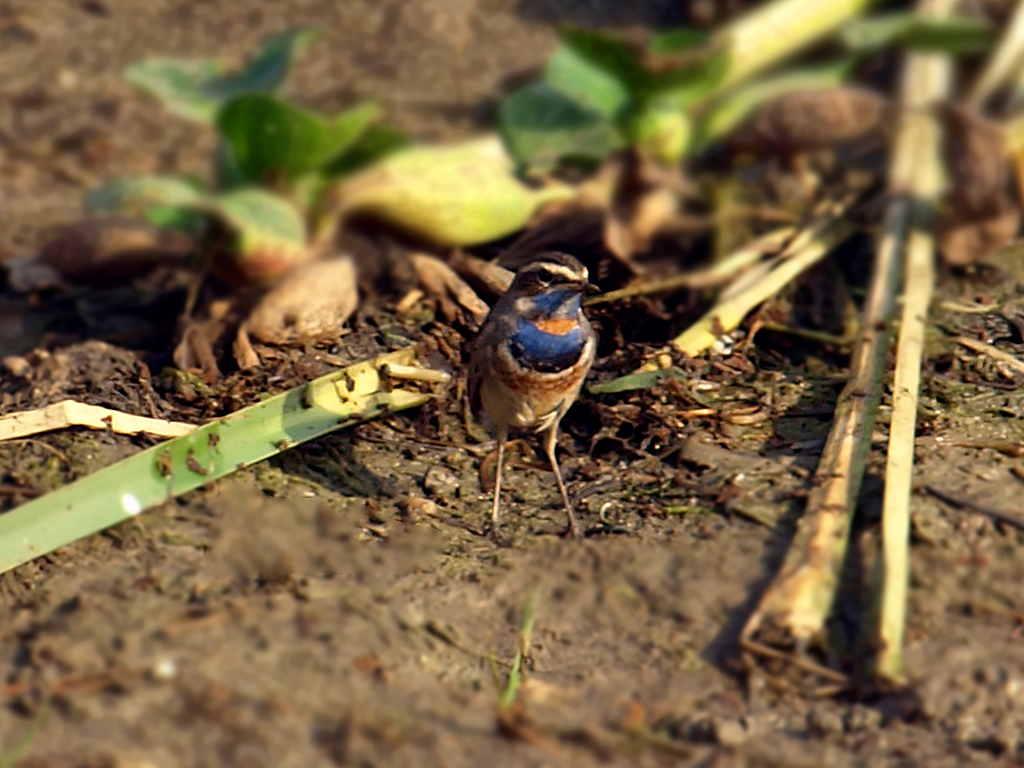
Bluethroat
Newtown, Rajarhat,West Bengal
It's sad that I have only one picture left of this individual. It was a foggy morning in Kolkata. We went to Silicon Valley, also known as Kestrel Ground in Rajarhat. The vast area has gifted us numerous bird species across various seasons. That day, I was randomly searching for warblers in the marshy area when this individual stopped by, striking its signature pose. Oh, what a beauty it was! The blue, rusty necklace was too prominent to go unnoticed. It stayed for a few seconds and then flew away.
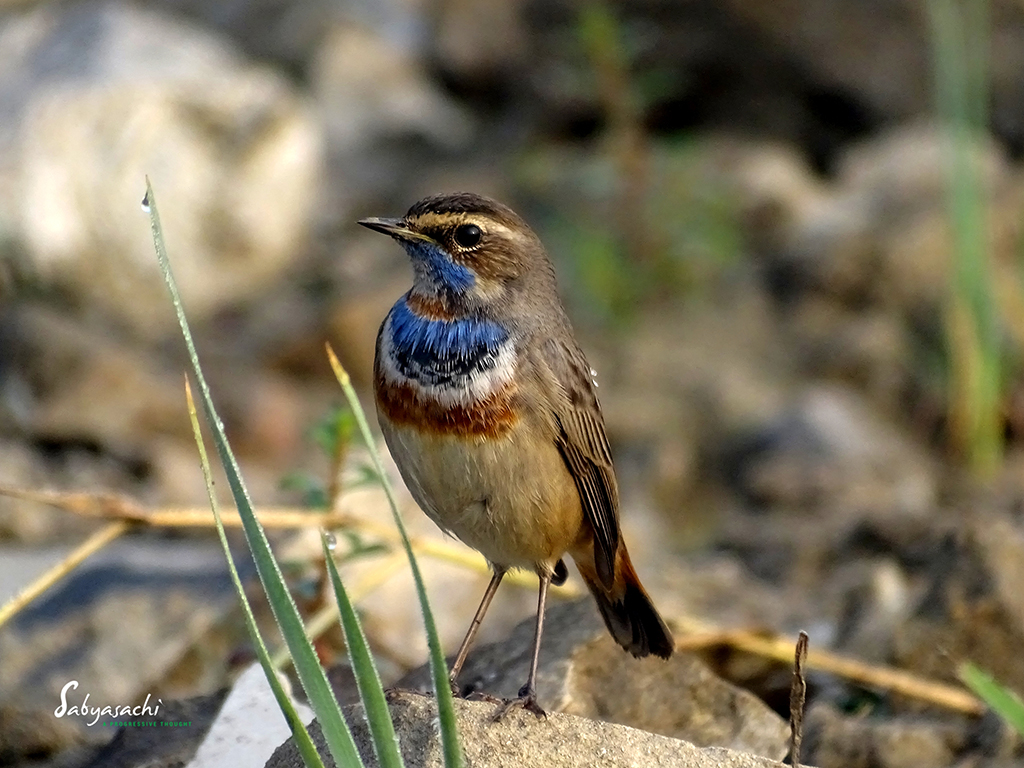
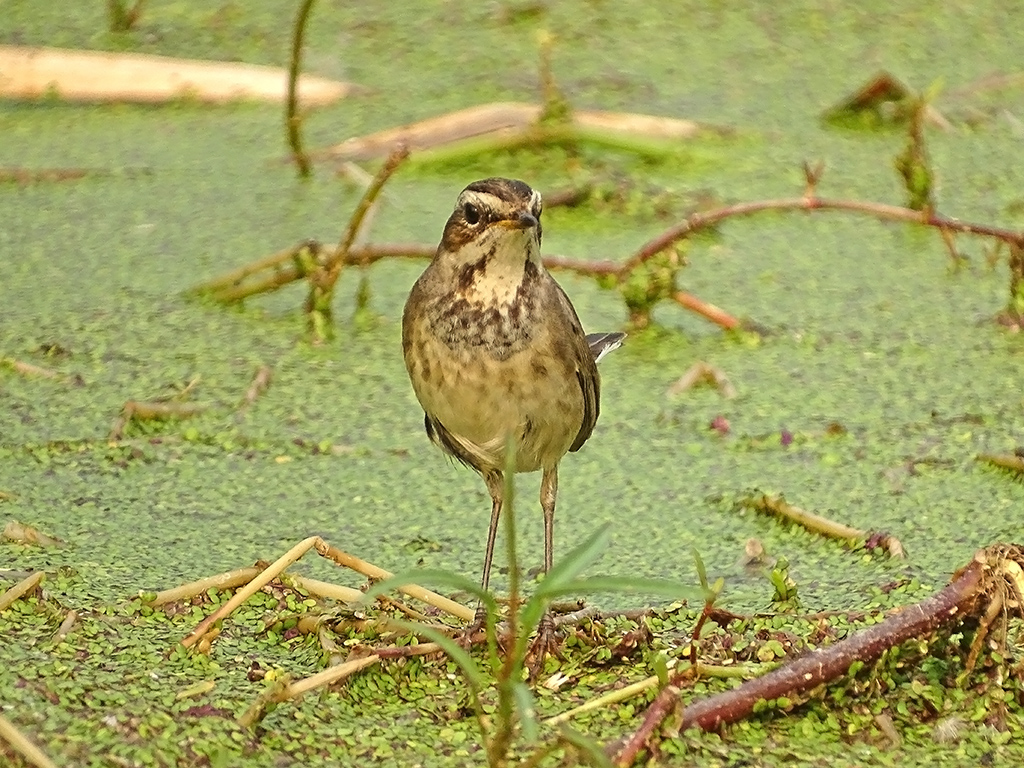
Halisahar Loco Shed yard,West Bengal
One of my favorite winter migrant flycatchers is the ground-dwelling bird with a sturdy build, known for hopping and searching for food on the ground, especially in burnt crops and paddy fields. I have seen this bird numerous times in West Bengal, as it is quite common in various areas there. I also noticed that I often saw this bird near mustard fields. I have observed its juvenile, female, immature, and adult forms. The adult male is the most beautiful, with its blue and orange band on the throat. It is not very shy, I noticed, unless you rush toward it while walking. I wish I could upload more photos of it from different locations, but I lost them all after my hard drive crashed.