| IUCN (International Union for Conservation of Nature): | Least Concern
|
|---|
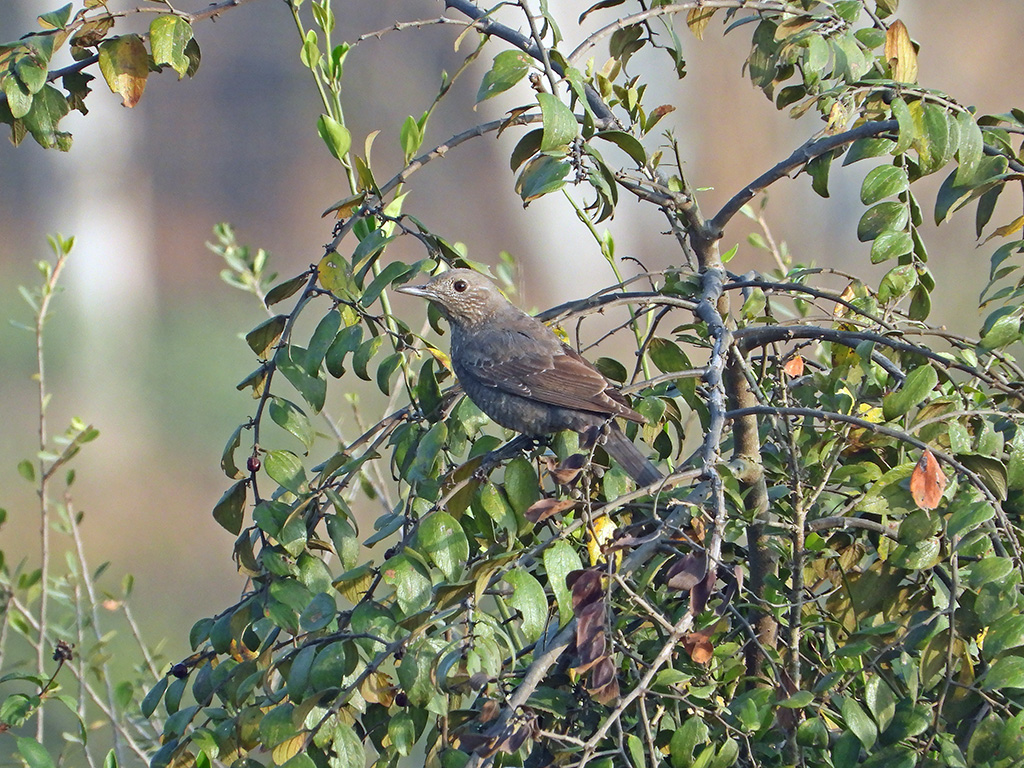
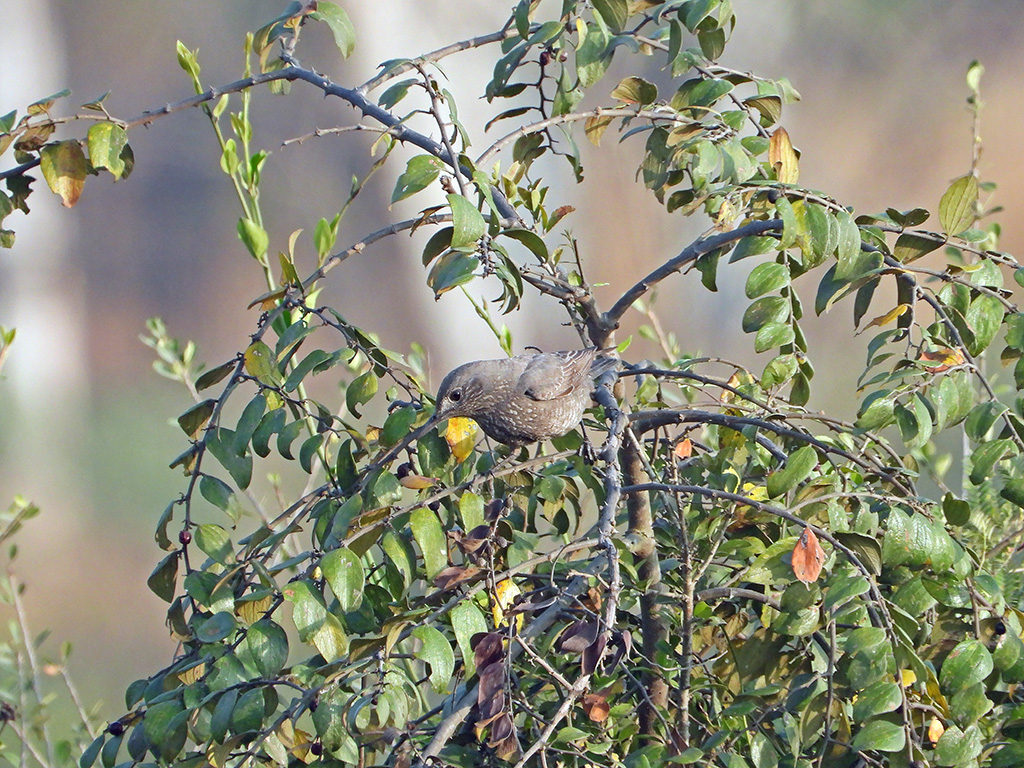
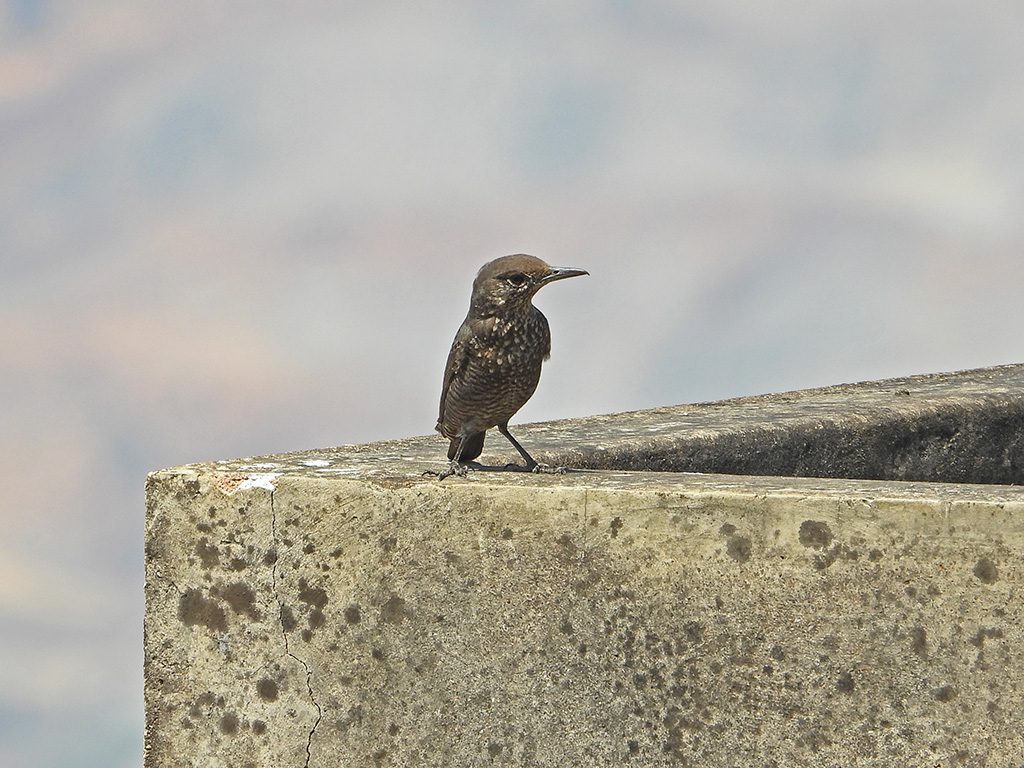
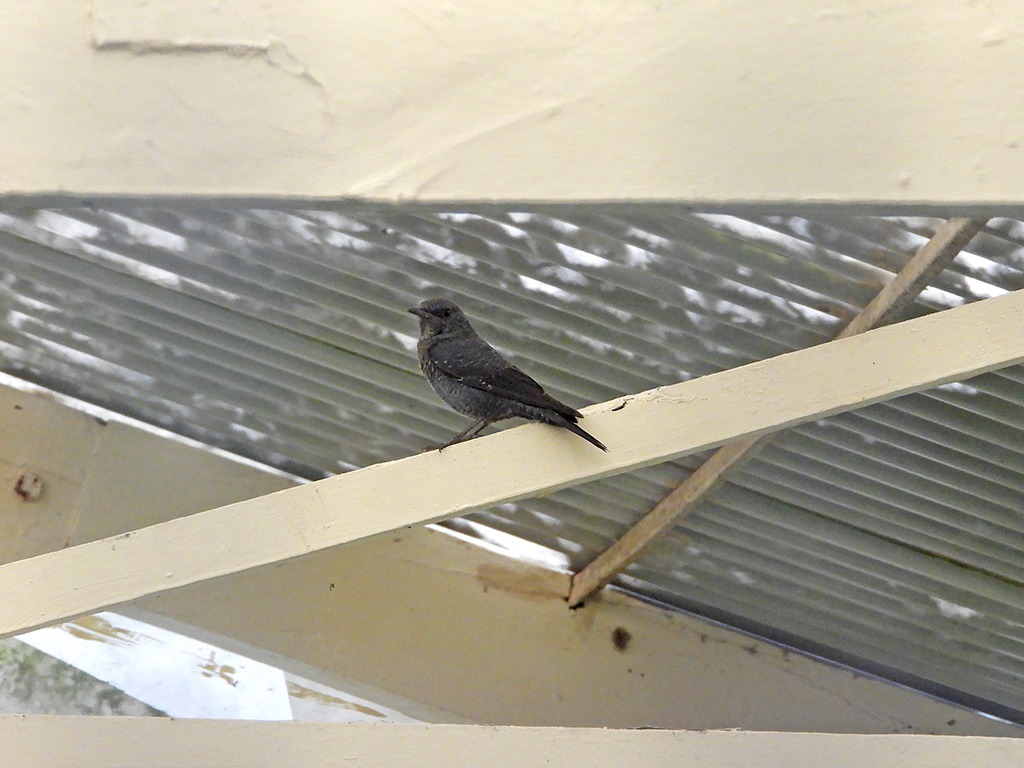
| Approximate size(adult): | A medium-sized thrush, about 20–23 cm in length. Males are bluish-grey overall with a slightly darker head and wings, while females are brownish-grey with faint streaking. Both sexes have a slim bill and upright posture.
|
|---|
| Resident/ Migrate from: | Partially migratory — northern populations breed in central and southern Europe, northern Africa, and Asia, including the Himalayas.
|
|---|
| Migrate to: | Winters mainly in southern India, Sri Lanka, and Southeast Asia, descending from higher altitudes to lower, warmer regions.
|
|---|
| Breeding season: | Breeds from April to July. Nests are cup-shaped, built in rock crevices, cliffs, or old buildings. Clutch size is typically 3–5 eggs, incubated mainly by the female.
|
|---|
| Breed in: | Prefers rocky hills, cliffs, quarries, and old ruins in montane and submontane regions. Often found in open rocky landscapes.
|
|---|
| Habitat: | Found in mountain slopes, cliffs, quarries, and urban ruins, often perching on rocks or ledges. Wintering birds occupy low hills, gardens, and dry open areas.
|
|---|
| Diet: | Feeds mainly on insects and small invertebrates, occasionally taking berries and small fruits. Hunts by perching and swooping down on prey, similar to other rock thrush species.
|
|---|