| IUCN (International Union for Conservation of Nature): | Least Concern
|
|---|
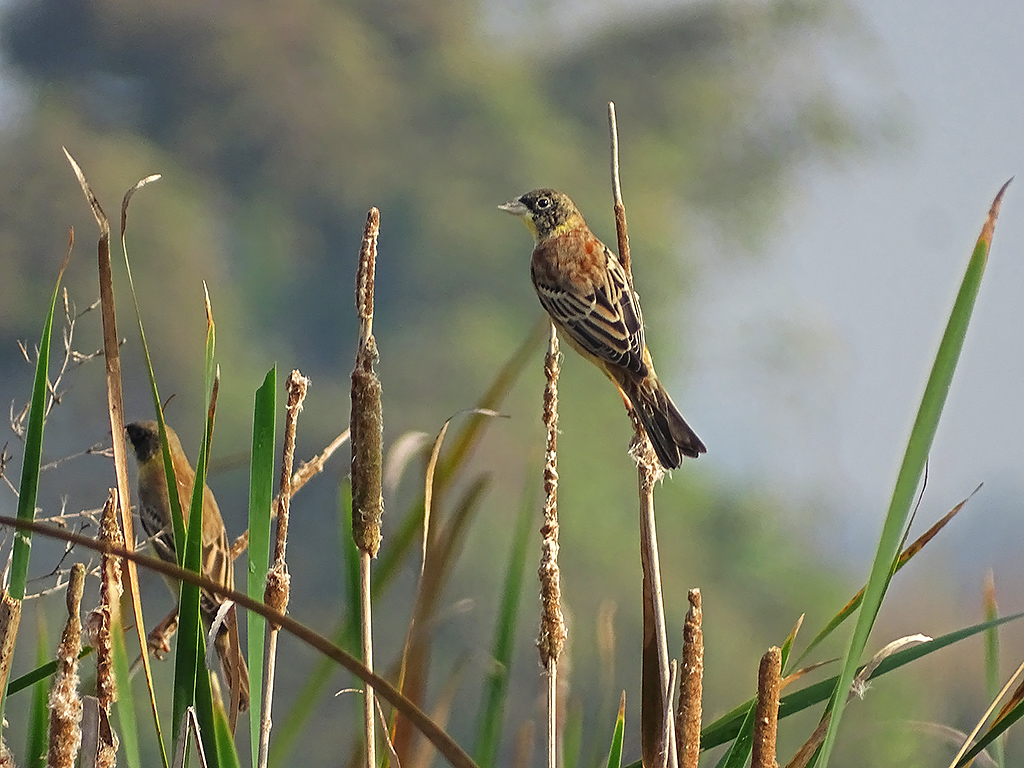
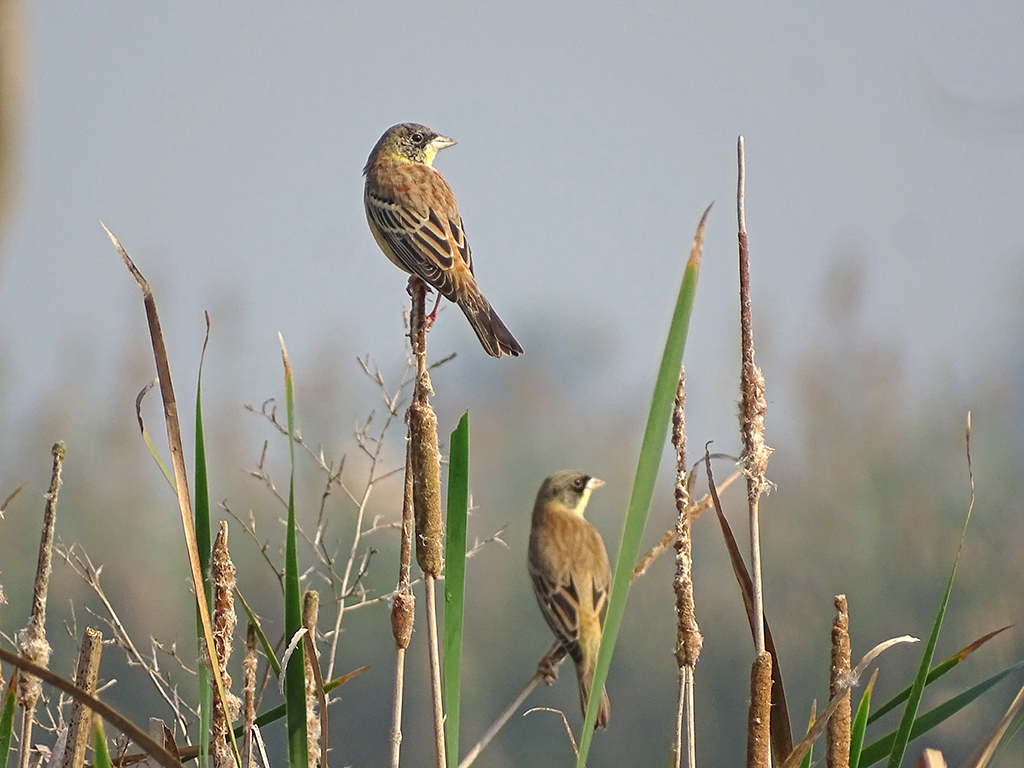
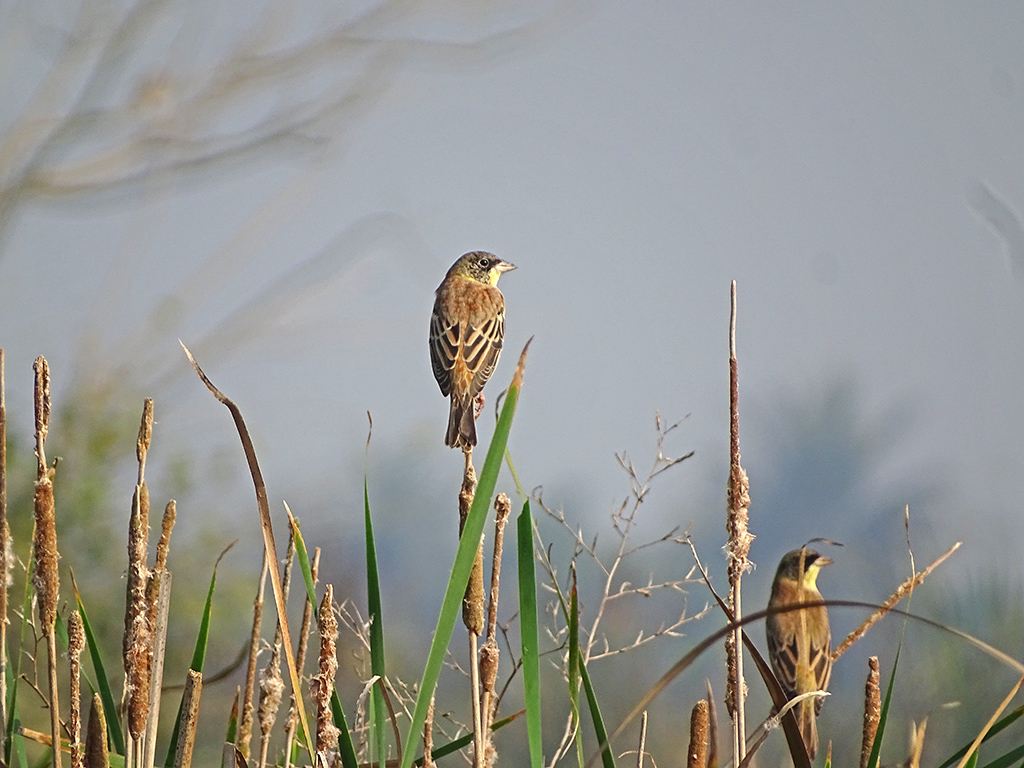
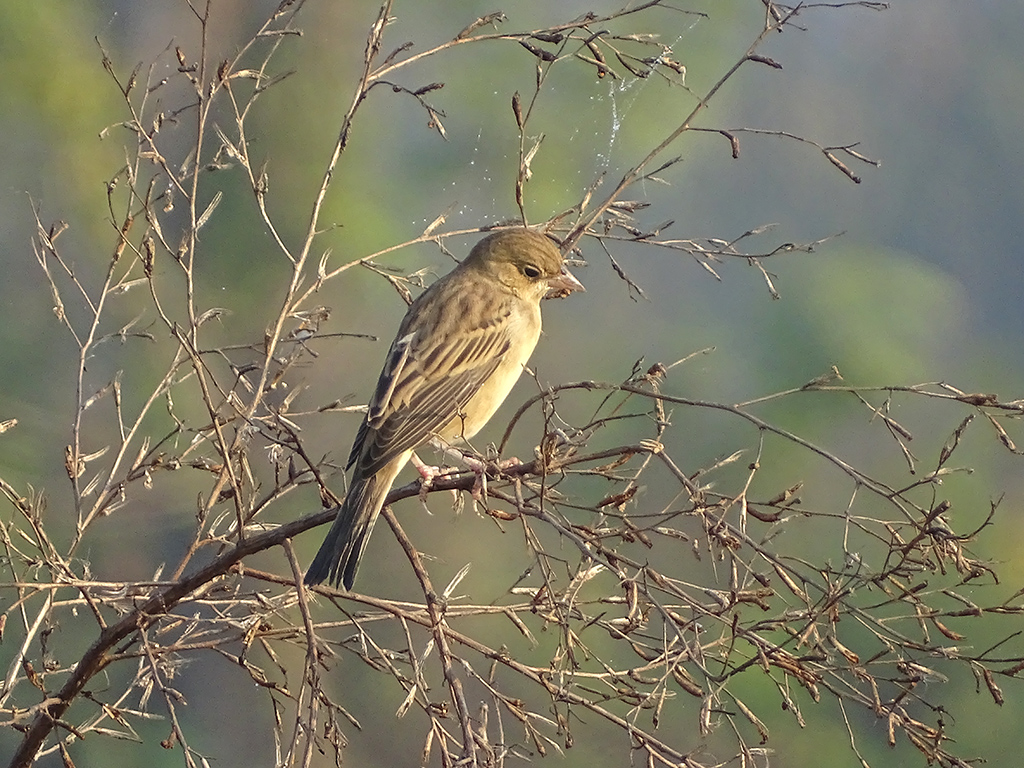
| Approximate size(adult): | Medium-sized bunting, 16–17 cm long. Males have a black head, bright yellow underparts, and chestnut-brown back and wings. Females and immatures are duller, with brownish upperparts and yellowish underparts.
|
|---|
| Resident/ Migrate from: | A long-distance migrant that breeds in southeastern Europe and western Asia, including areas around Turkey, Iran, and the Caucasus.
|
|---|
| Migrate to: | Winters in the Indian subcontinent, including northwestern and central India, Sri Lanka, and Bangladesh. Common winter visitor in India from October to April.
|
|---|
| Breeding season: | Breeds during May to July in its native range. Builds nests in low shrubs or grass, usually near open farmland or rocky slopes. Lays 4–5 eggs.
|
|---|
| Breed in: | Open scrublands, grassy fields, and farmlands in southeastern Europe and western Asia. Prefers semi-arid habitats with scattered bushes.
|
|---|
| Habitat: | During winter in India, occurs in open grasslands, agricultural fields, scrub, and village edges. Often found in small flocks with other buntings.
|
|---|
| Diet: | Omnivorous — primarily seeds and grains, especially during winter; during breeding, consumes insects and small invertebrates for additional protein.
|
|---|