Baya weaver
Jayamangali blackbuck reserve,Karnataka
This is an incomplete yet abandoned nest that looked cool to me, but for the bird, it was neither sufficient nor impressive enough to breed in. Similarly, you will find a few more nests around the tree that are either abandoned or were built in previous years.
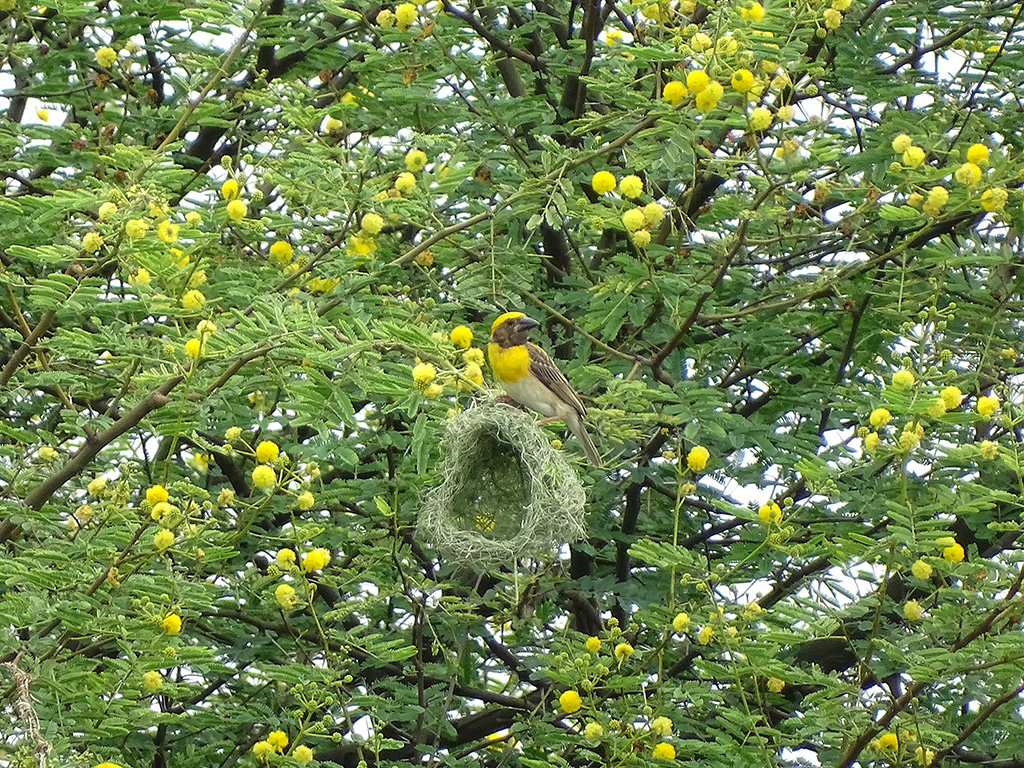
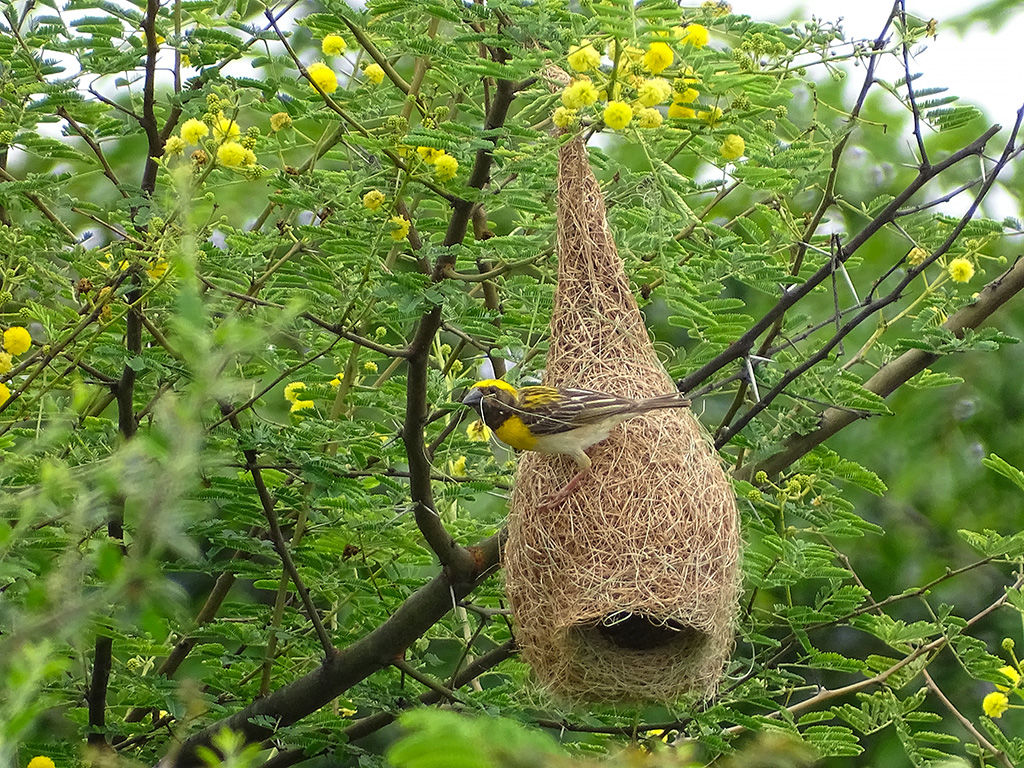
These colonies were found while heading towards the Jayamangali Black Buck Reserve in Karnataka. Suddenly, my attention was drawn to the roadside, where I saw multiple nests. Visually, it was stunning because the tree they had chosen for nesting also bloomed with yellow flowers. The birds were in their breeding plumage, and together, it looked incredible. Sometimes, I wonder if it is truly justified to call them weaver birds.
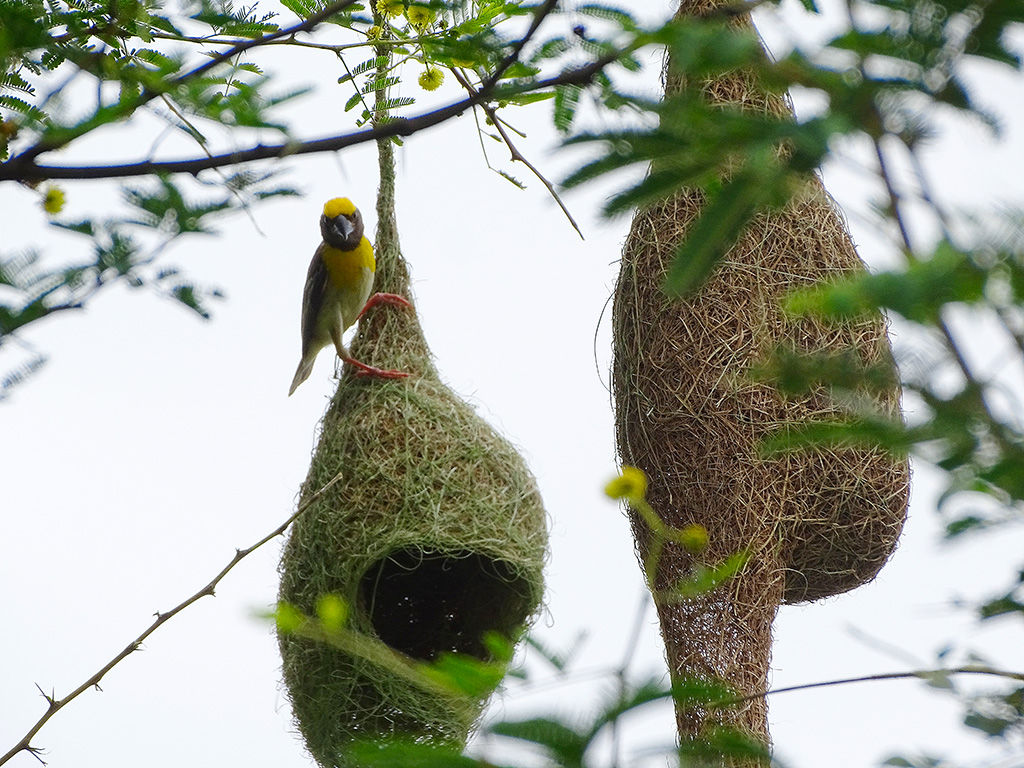
Muthanallur Lake,Karnataka
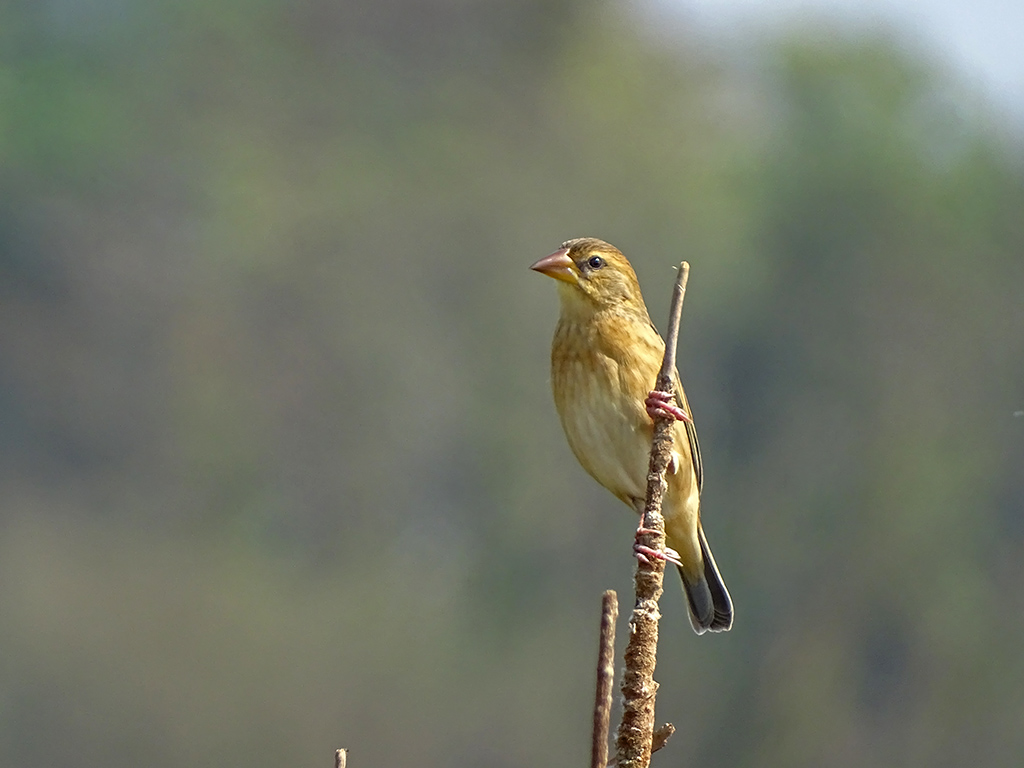
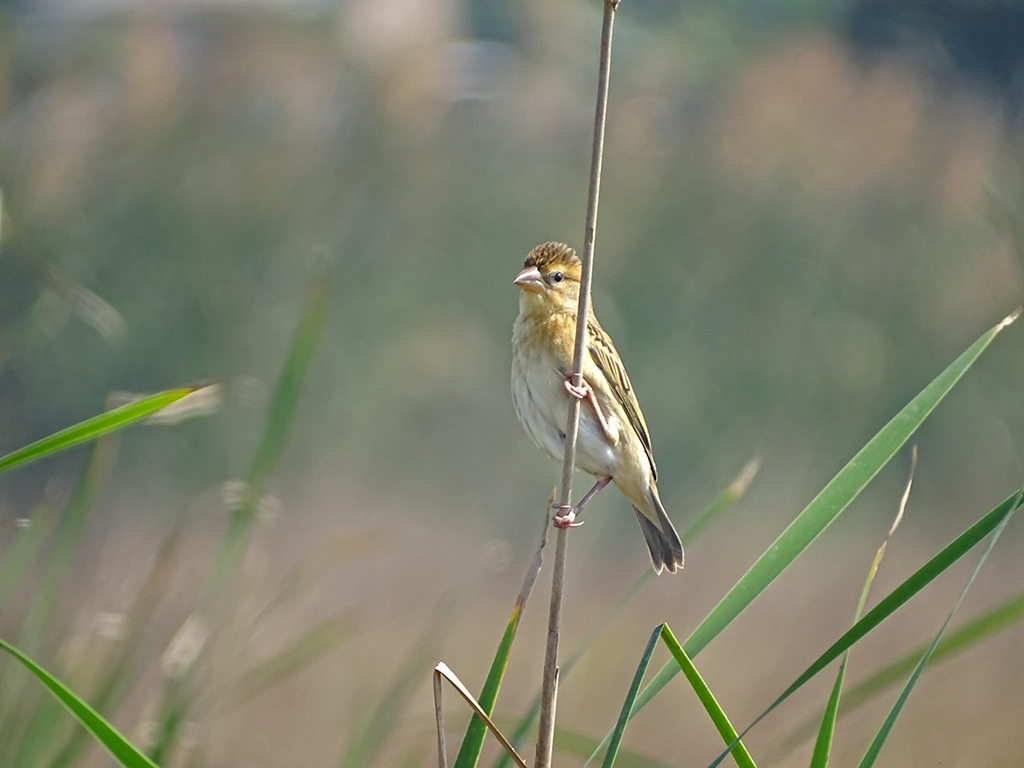
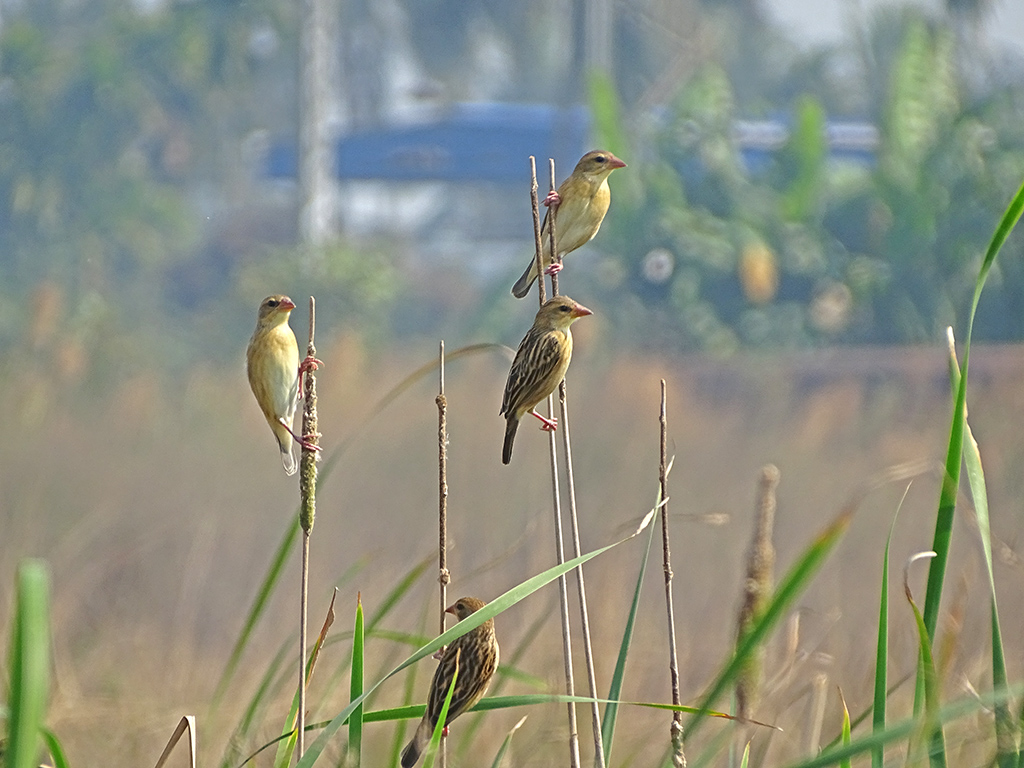
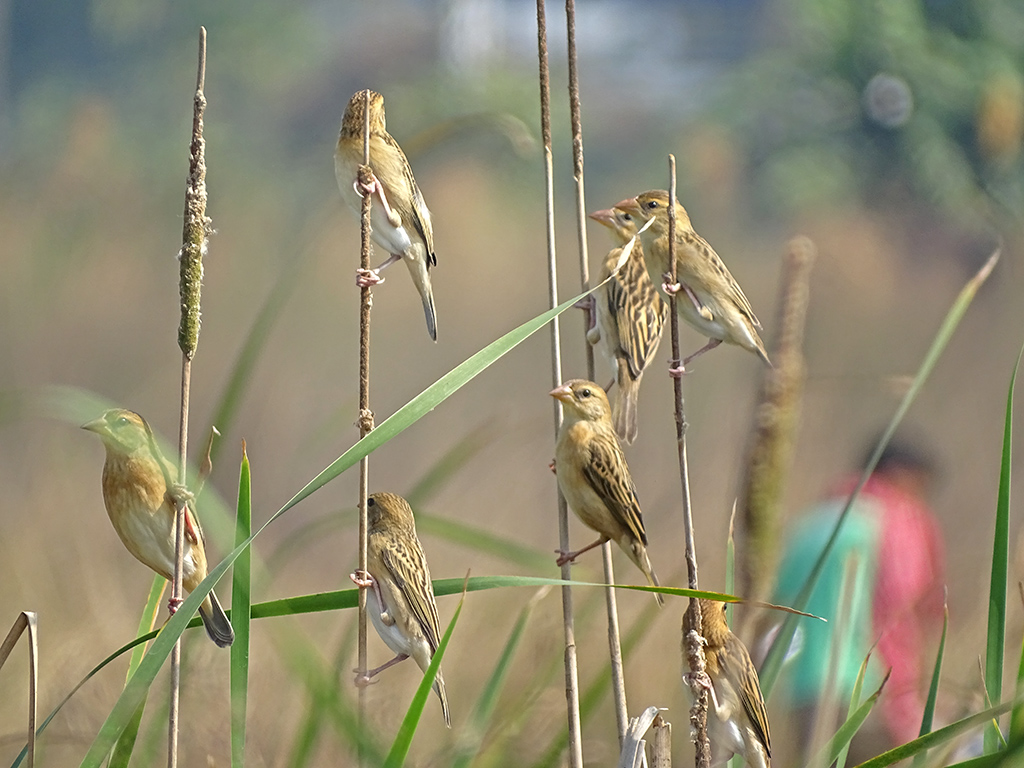
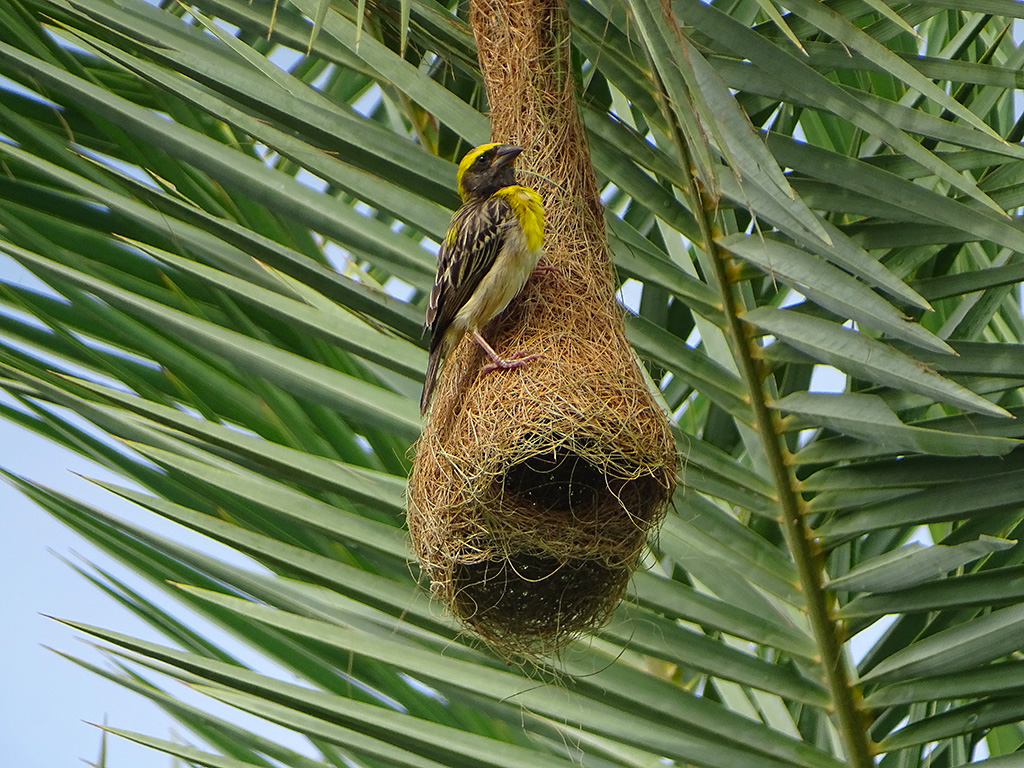
An absolutely beautiful, tiny little weaver bird. It is fascinating to watch the male bird build its nest during the breeding season. They prefer living in colonies and are generally found in flocks. During the breeding season, the male bird looks vibrant with its yellow head and belly. During the day, the male bird continuously collects materials from nearby areas and keeps weaving its nest to impress the female. For the Baya weaver, it is very challenging to impress a female bird by creating the perfect and beautiful nest; otherwise, the female will abandon it, even if it has already been built. Without a suitable nest, they cannot breed.
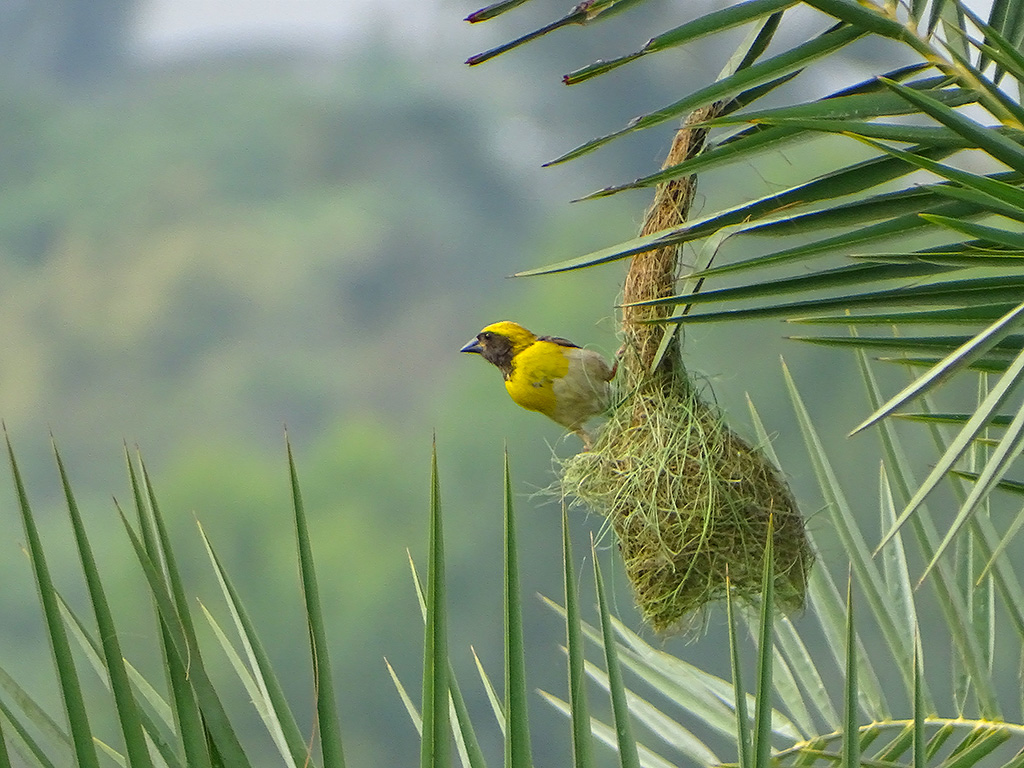
Halisahar Loco Shed yard,West Bengal