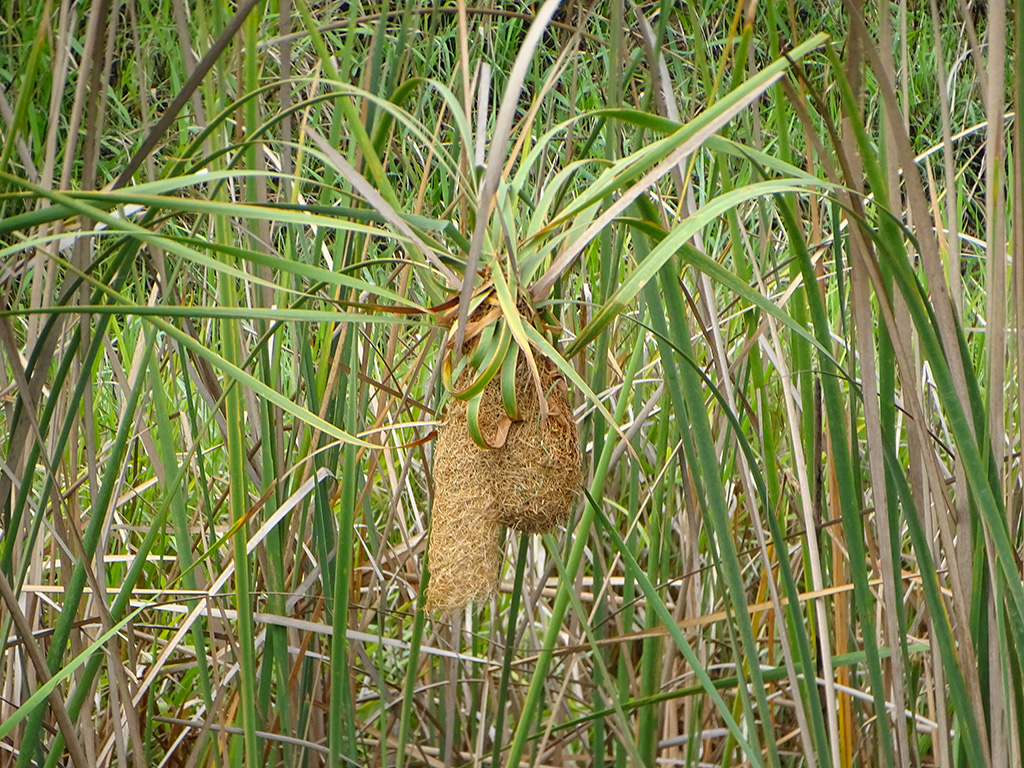
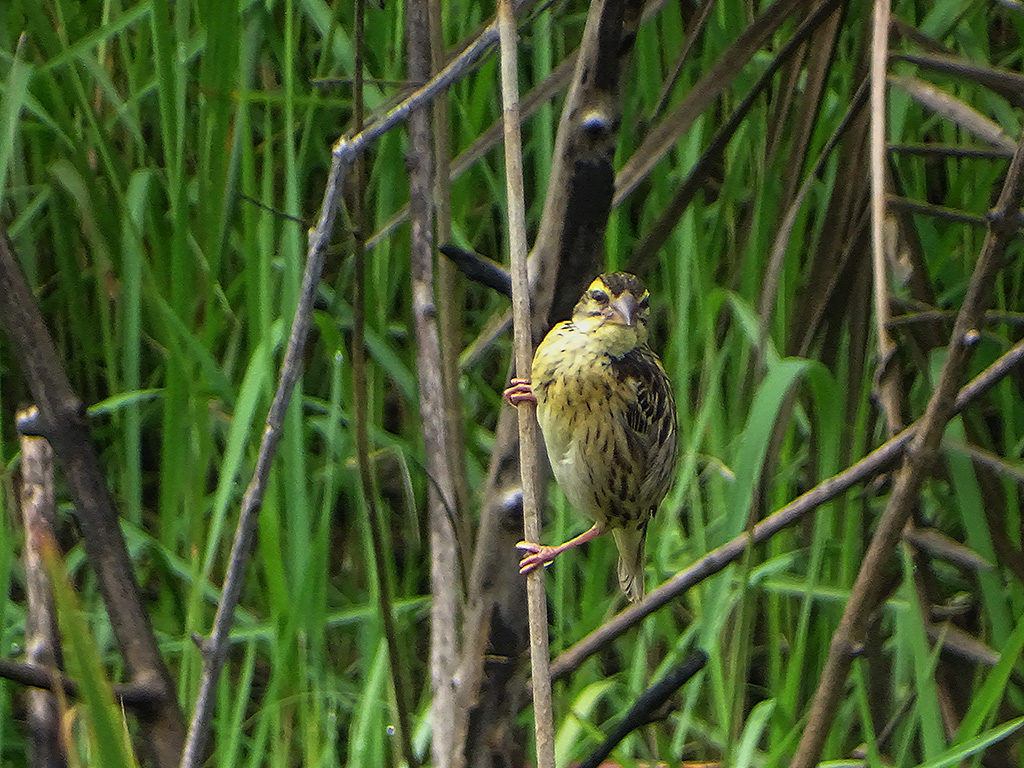
Streaked weaver
Muthanallur Lake,Karnataka
There was a time back in Bosipota, West Bengal, when I used to visit birds in marsh habitats. I saw flocks of weavers (including Baya, Streaked, and Black-breasted) multiple times. Now, I have to separate the three subspecies and take individual pictures of each. This was the most difficult part for me because, in a single frame, other mixed weavers would also appear. However, it was incredible to see all the birds out there. In this picture, you can see a male and female Streaked Weaver, one after the other.
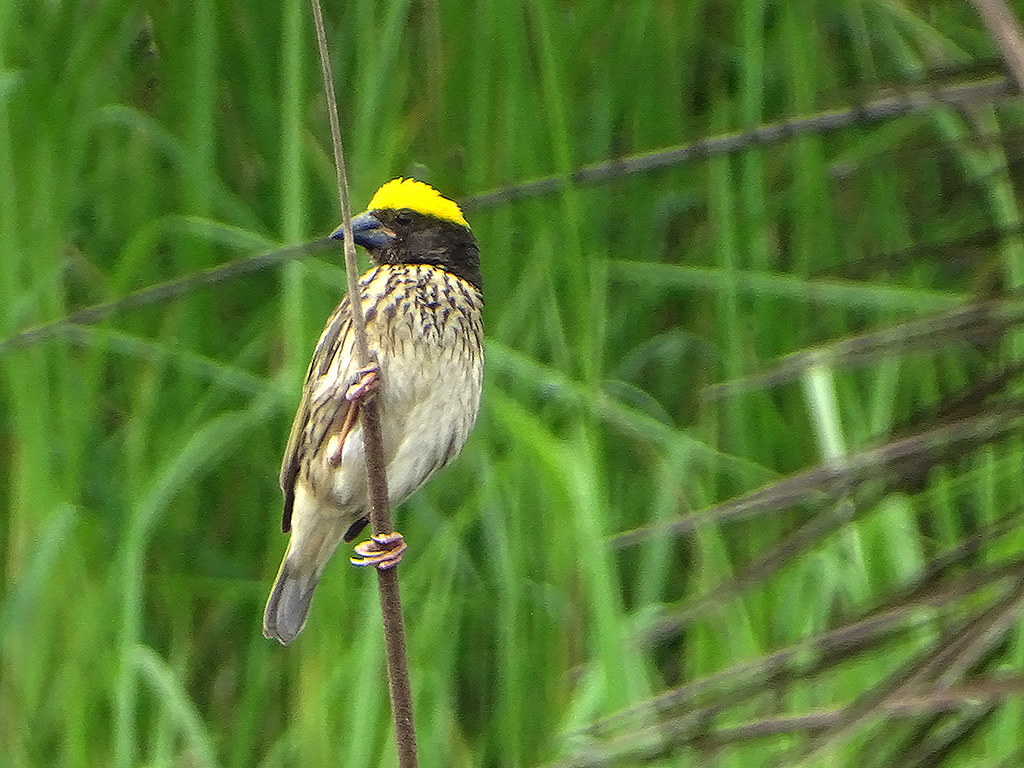
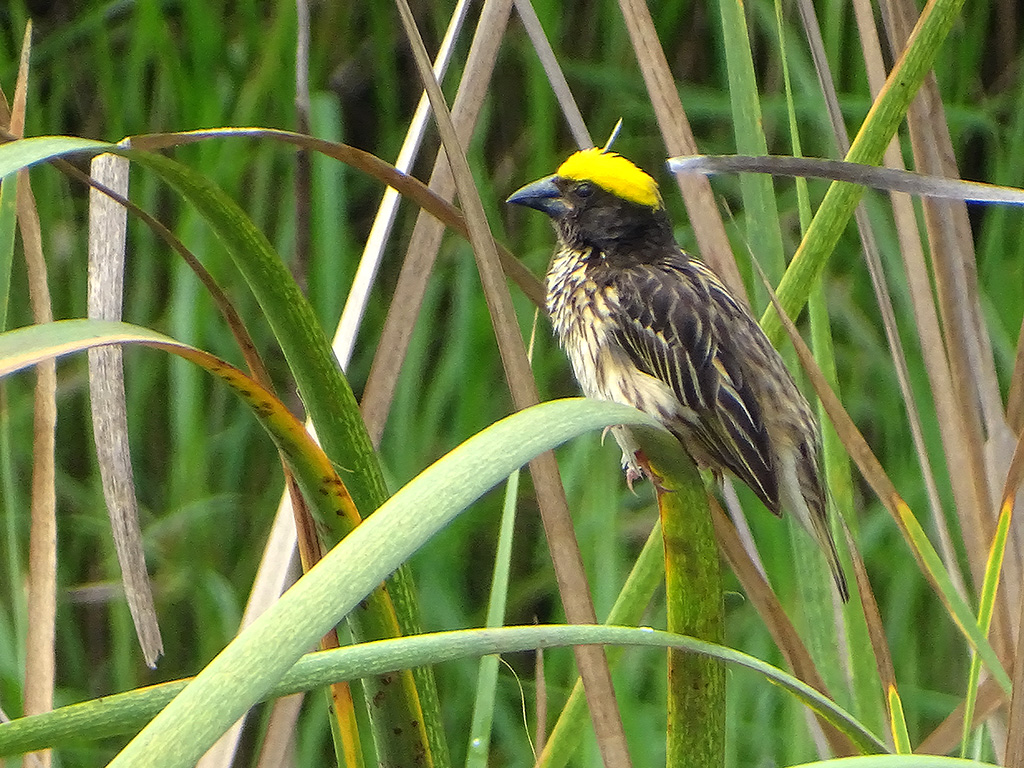
These pictures were taken at Muthanallur Lake in Bangalore. Both birds shown here are male. During the pre-monsoon season, they were busy building their nests. As usual, the male weavers took the initiative. They were not very shy and gave ample time for photography.
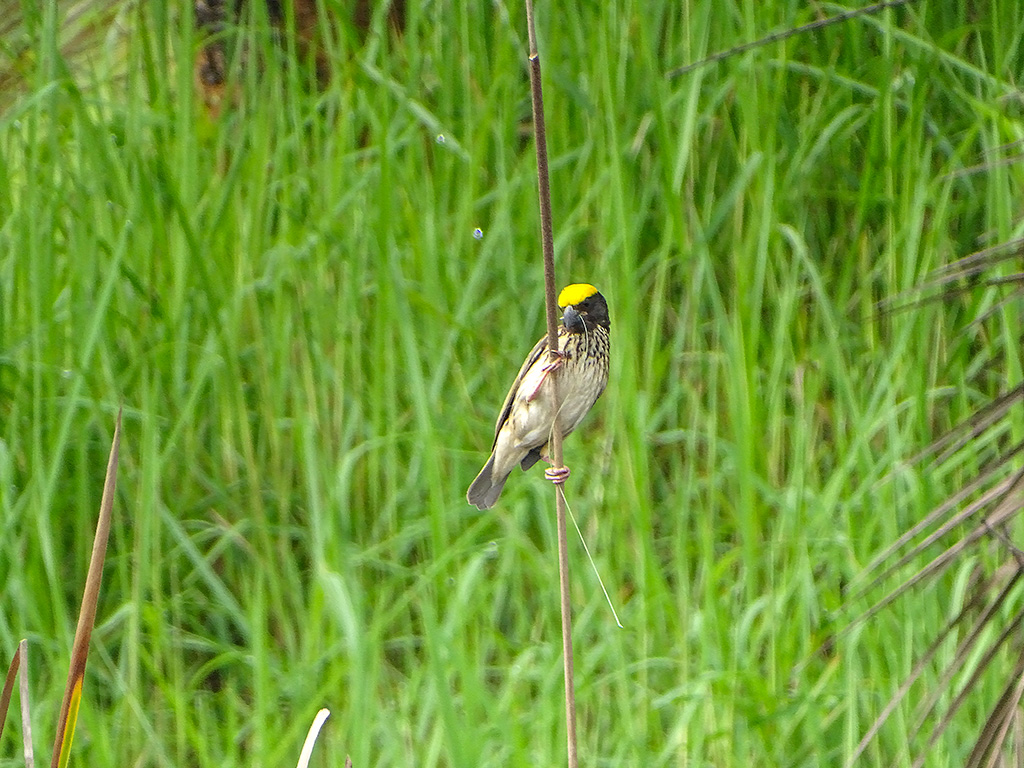
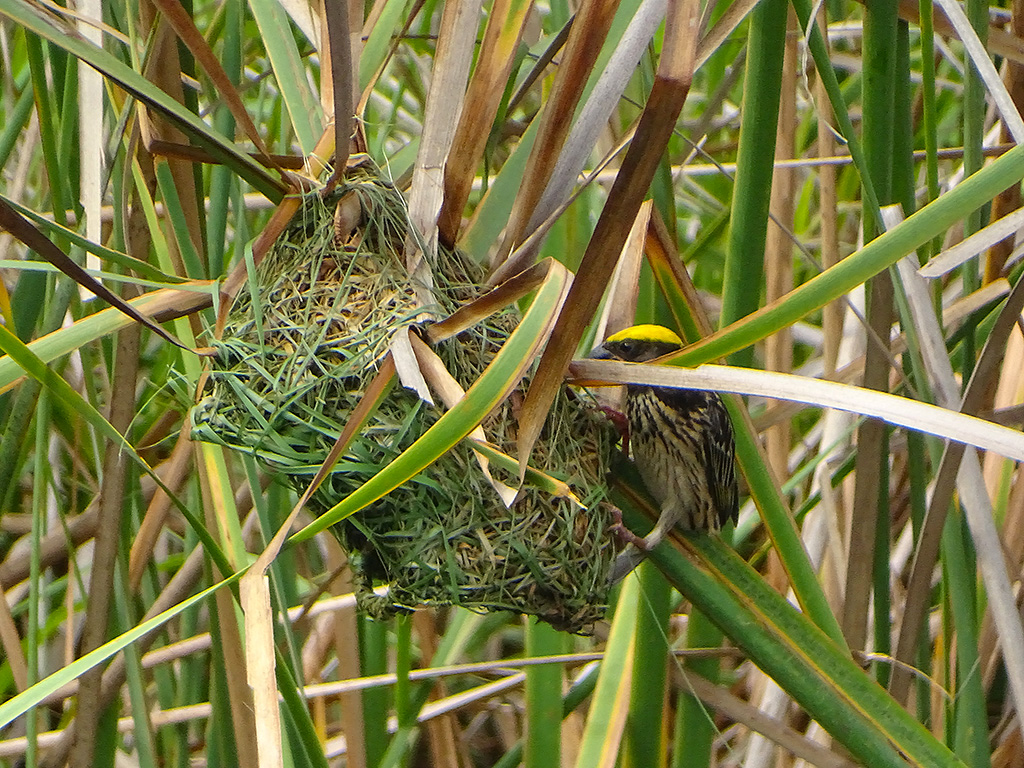
Unlike the Baya, they make their nests in reeds beside a small pond. I noticed that the nest was quite similar but not identical. First of all, they could not make it very large, as the reeds have limited capacity to hold even a minimum weight. I found it incredible how those birds skillfully tied their nests to the reeds.
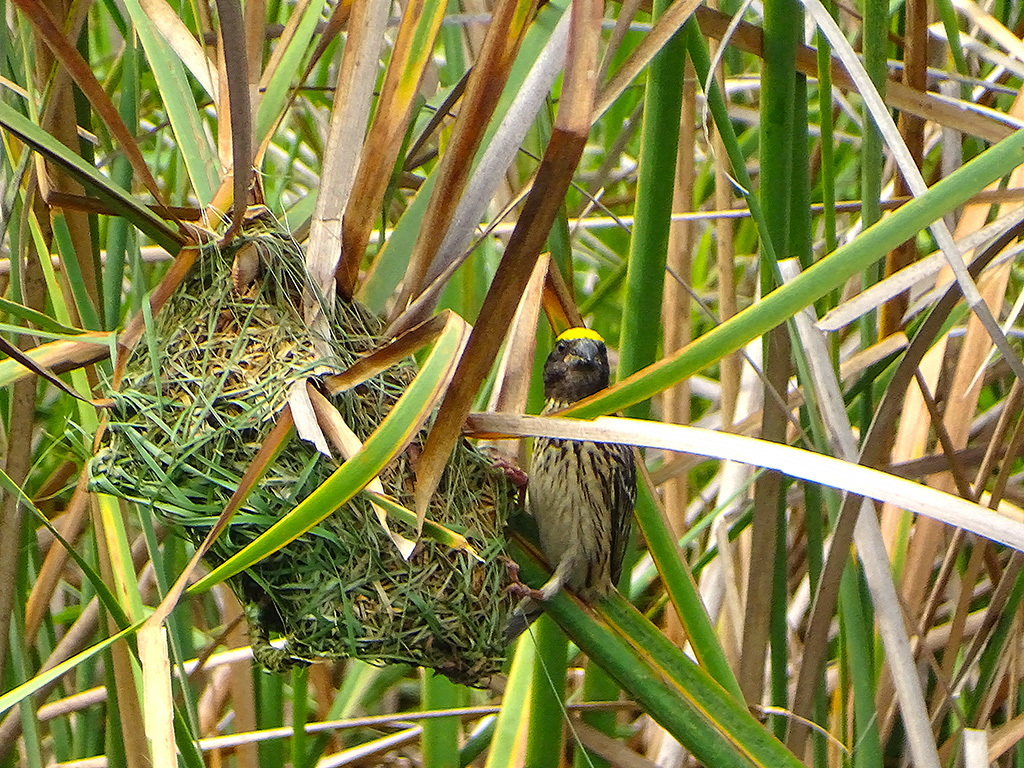
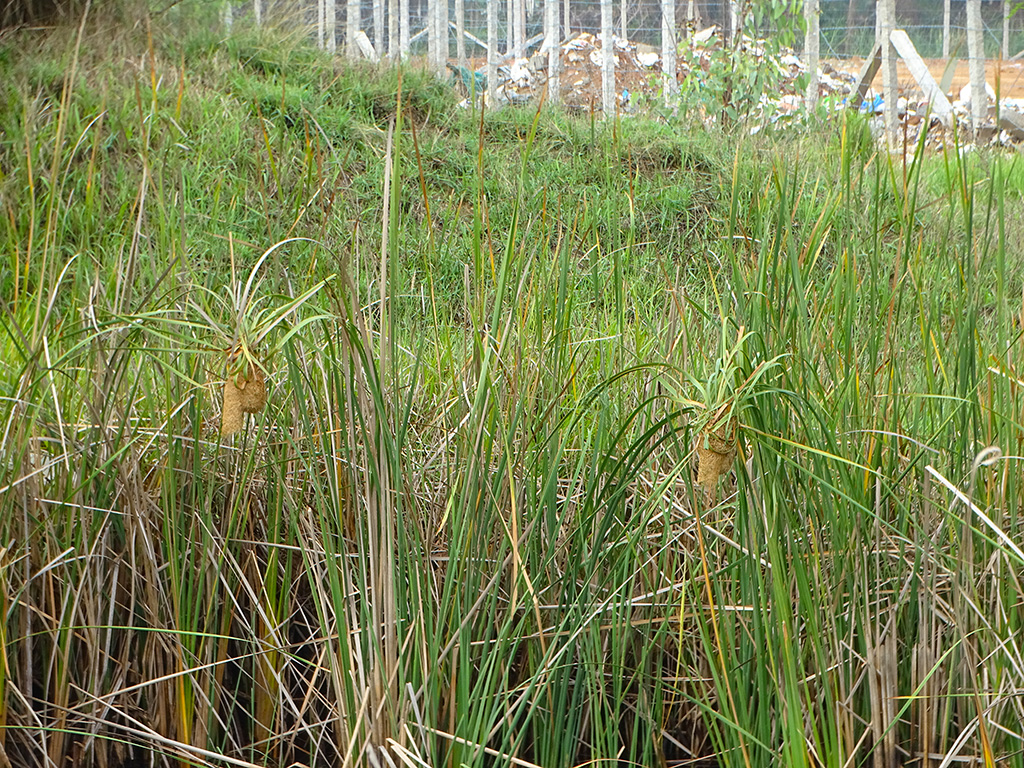
There were around 4 or 5 nests and 3 pairs of streaked weavers. How lovely it is to witness those birds along with their nests!