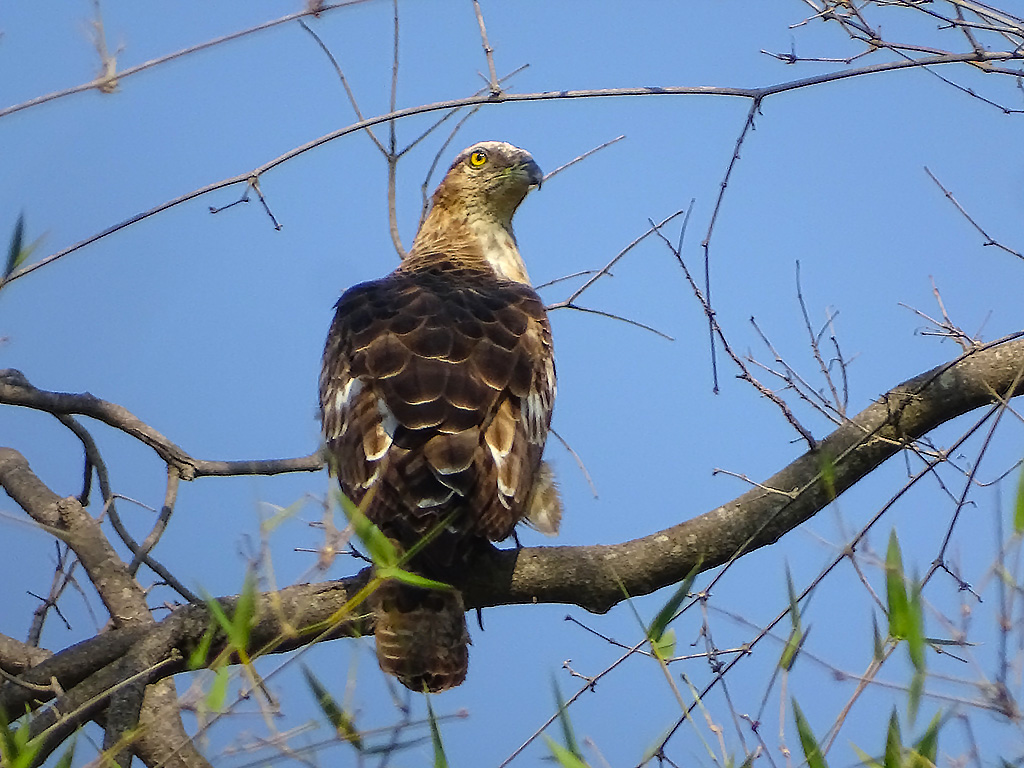
Oriental honey buzzard
River tern lodge,Karnataka
Byatarayana Doddi Kere,Karnataka
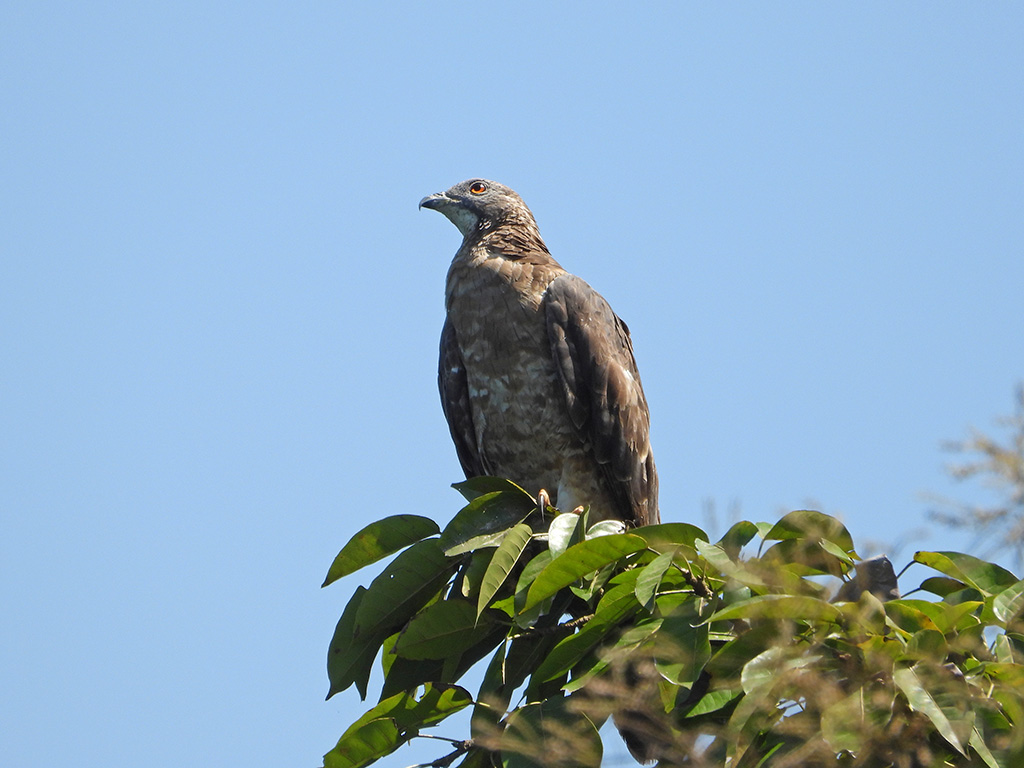
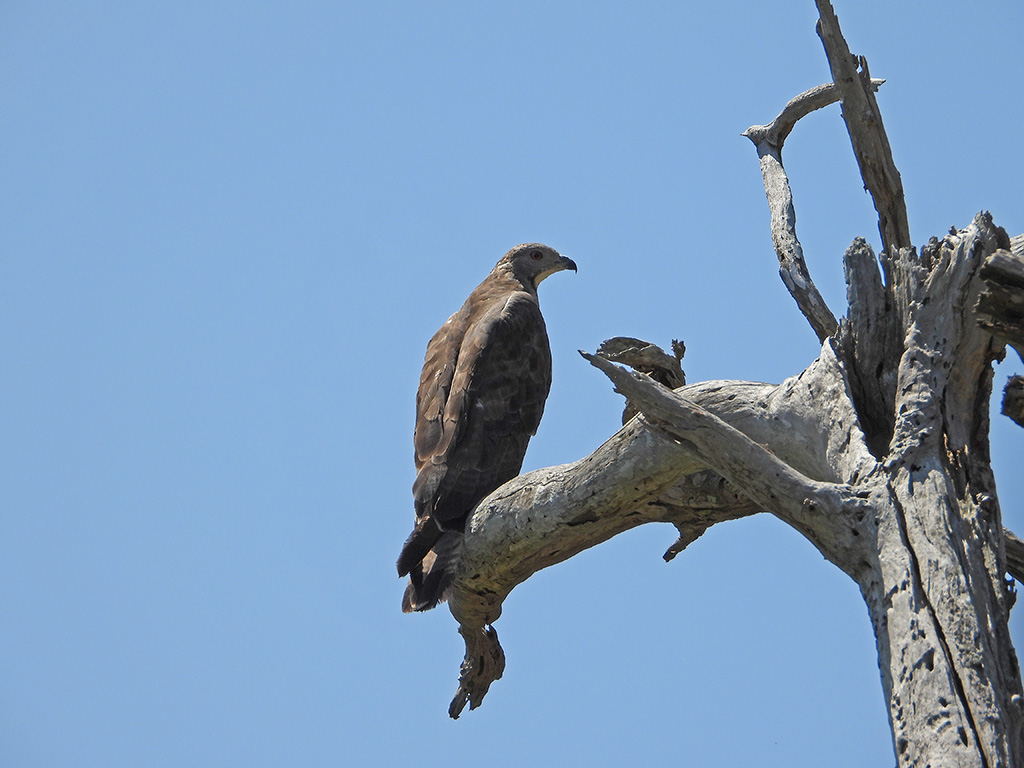
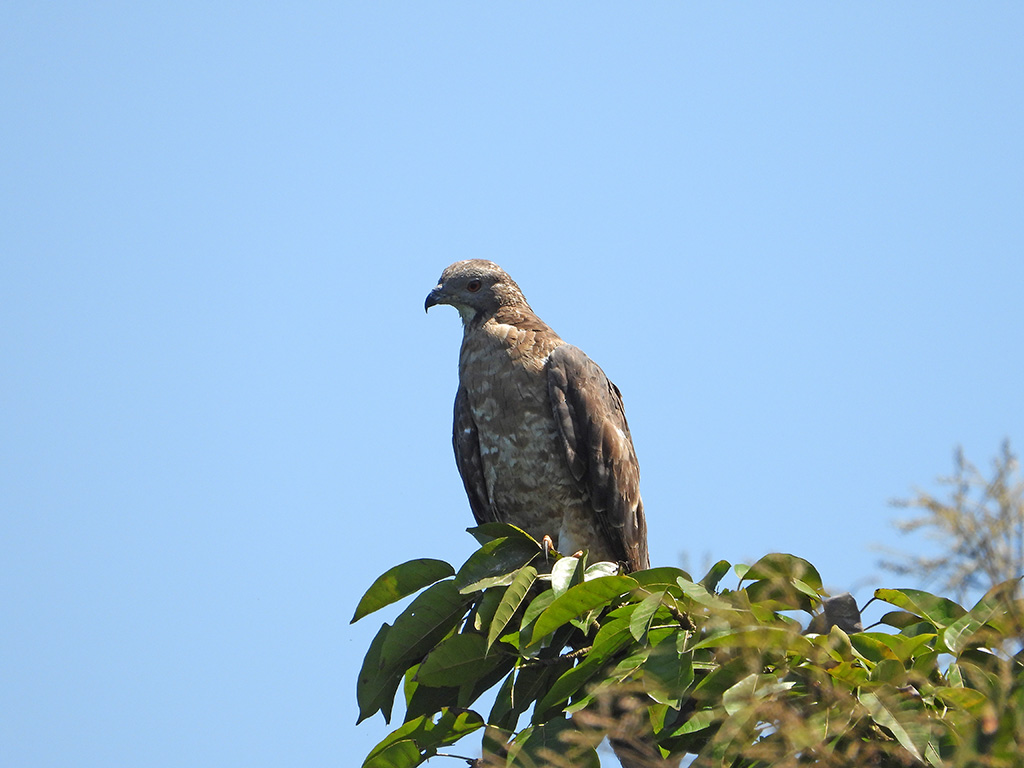
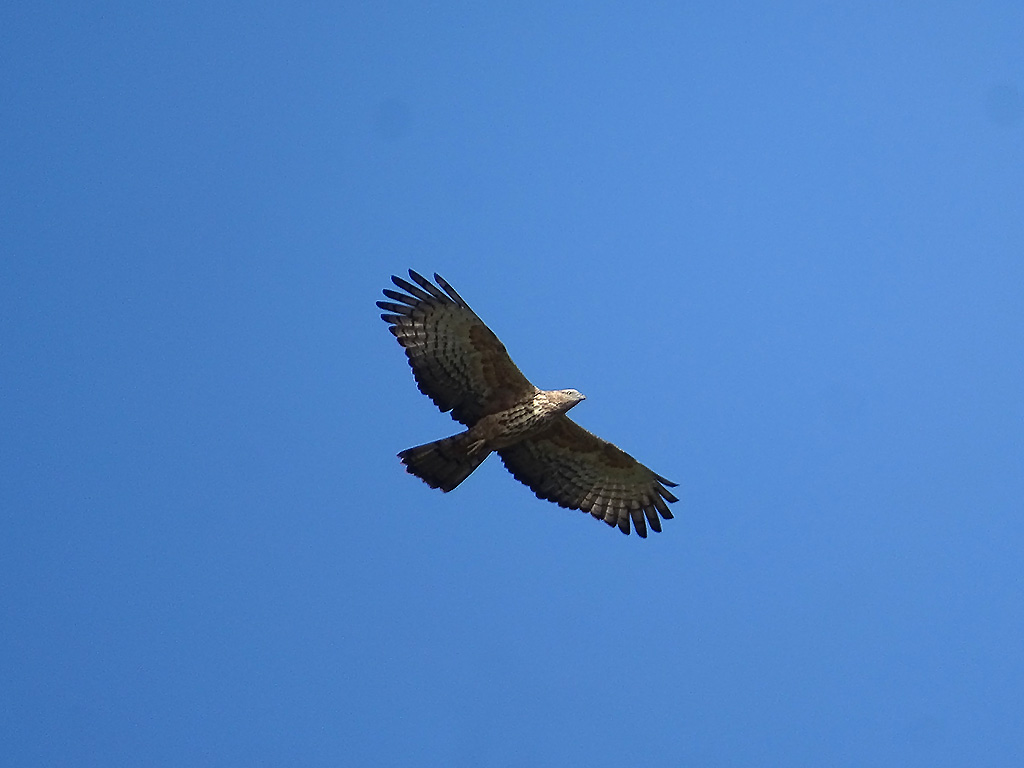
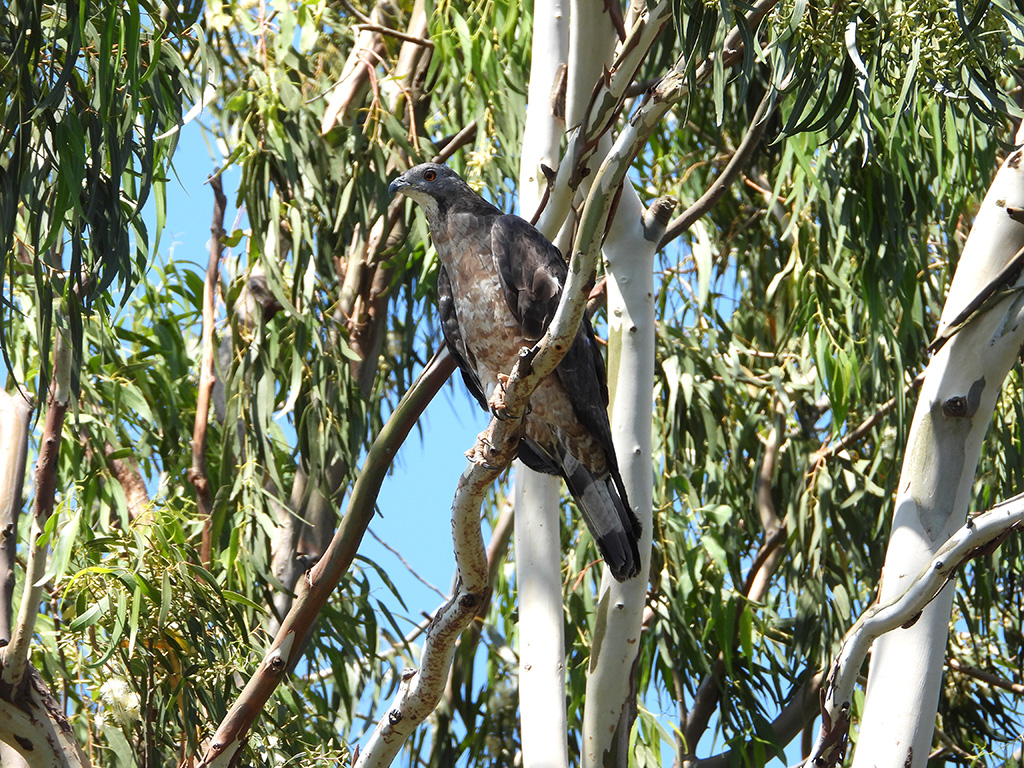
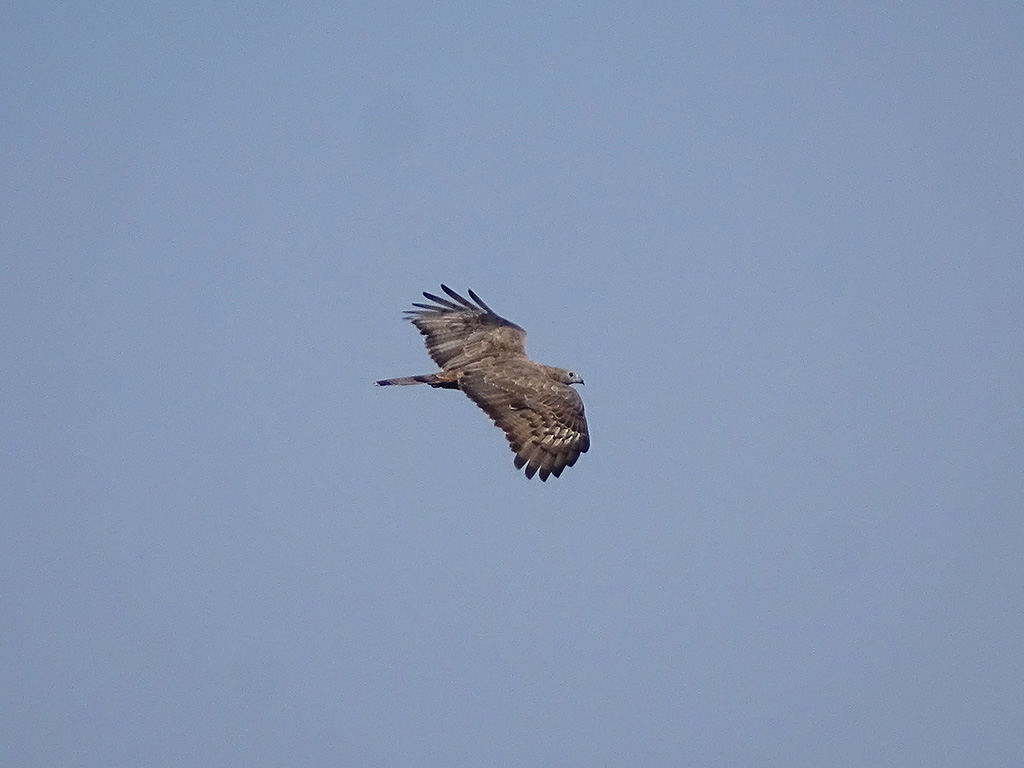
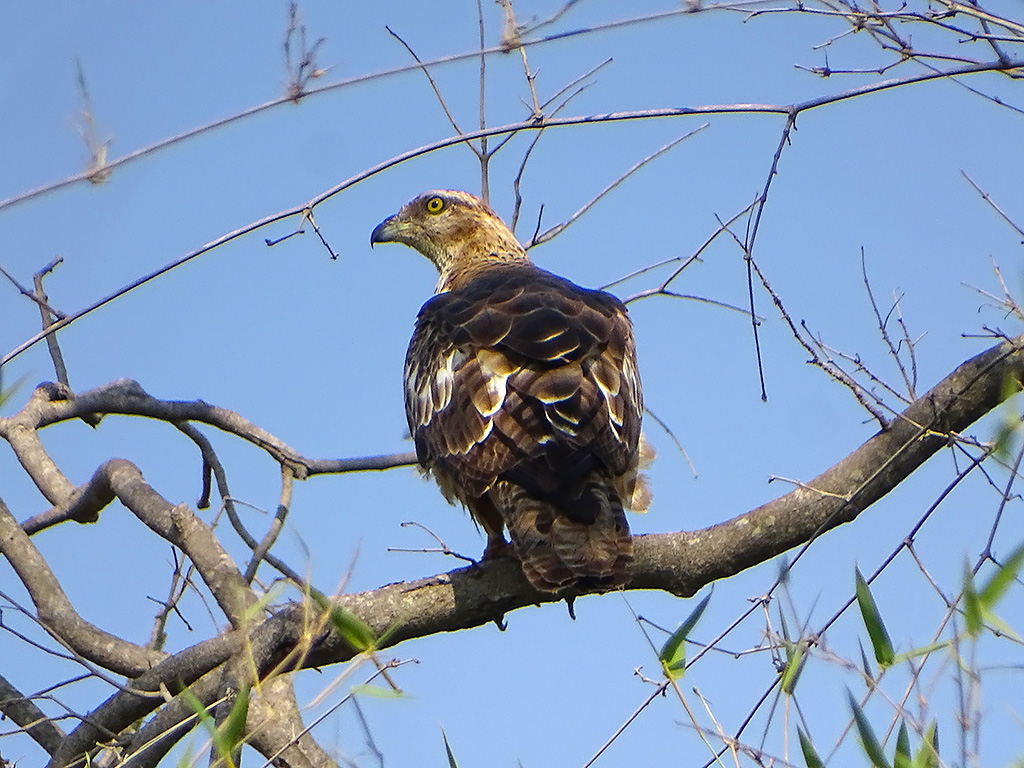
I spotted these two in Byatarayana Doddi Kere, where Oriental Honey Buzzards (OHB) are very common. Around 3-4 morphs can be seen in this area. If you notice, the morph of the first one is quite grayish, with a whitish head and black eyes. The second one has a different wing pattern and color. Honey Buzzards fly very slowly and in circles, keeping their heads down while searching for prey. However, their signature hunting behavior is searching for honeycombs on trees. I hope that someday I’ll capture the signature behavior.
Muthanallur Lake,Karnataka
Crested Honey Buzzard: The light morph of the Honey Buzzard is truly fascinating and a sight worth witnessing. I spotted it at Muthanallur Lake in Bangalore. It was quite large and was perched on a clean branch of a tree, preening itself for a long time. Initially, I mistook it for a Changeable Hawk-Eagle because of its crest, but I later corrected the identification.
Bandipur tiger reserve,Karnataka
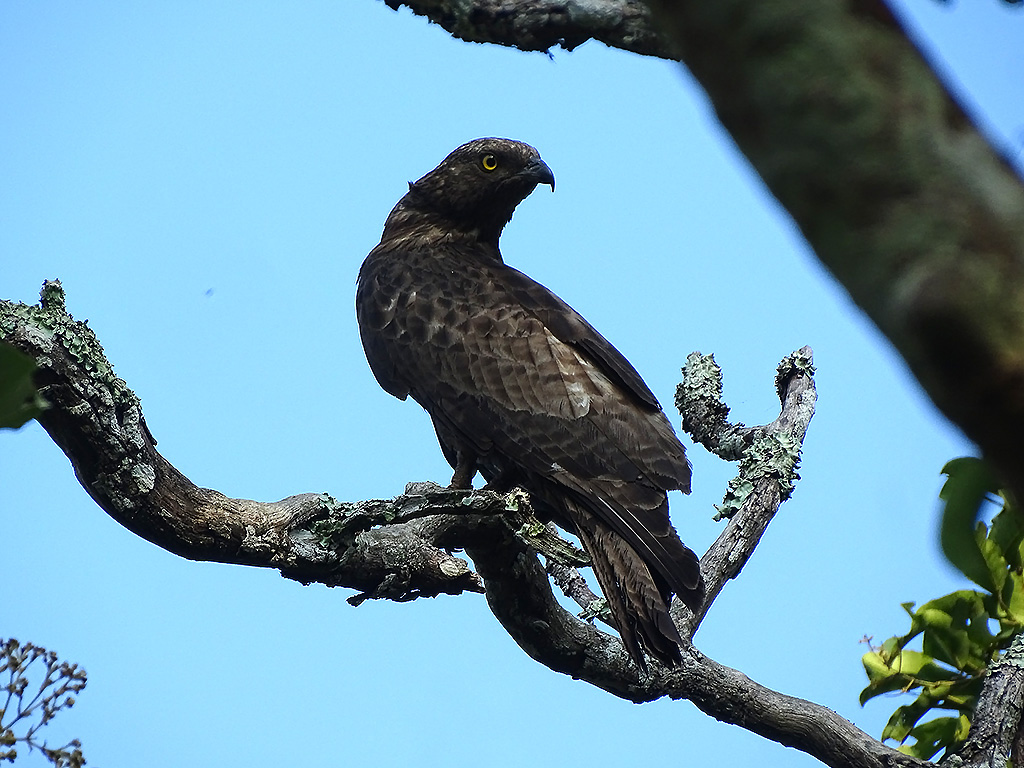
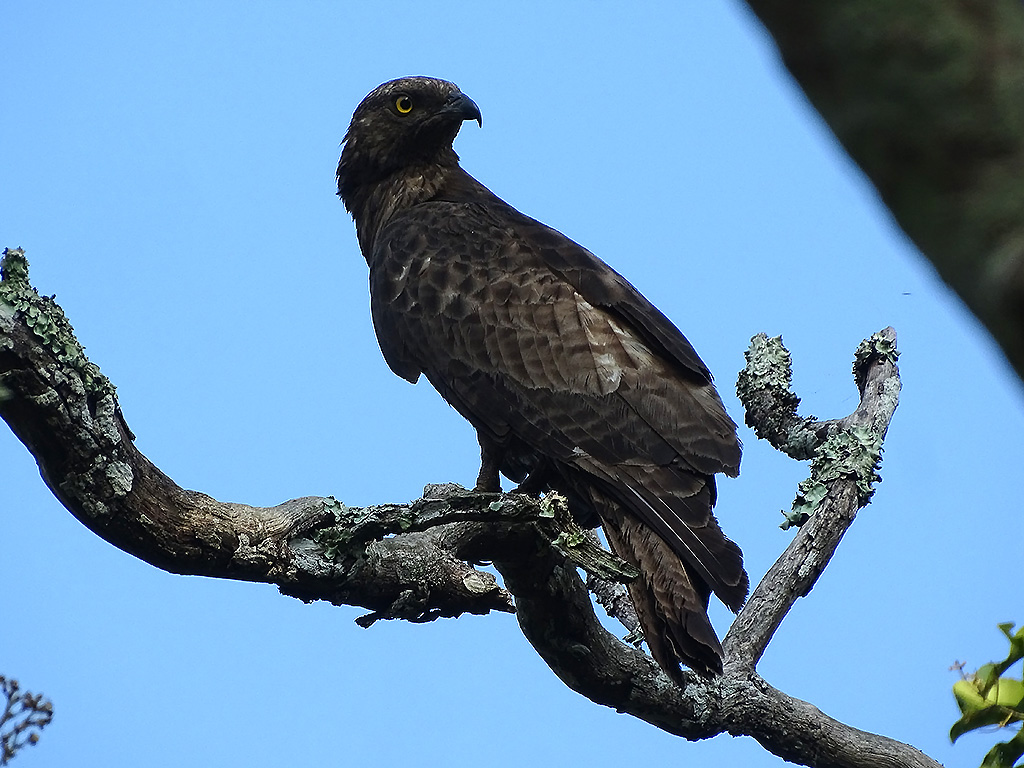
The dark morph of the Oriental Honey Buzzard is quite common in Bandipur and looks very elegant. It is a large raptor and can be found in several morphs across India. Unlike the White-eyed Buzzard, it is not very shy but often prefers to perch on a clean spot or high up in a tree.
Information of Oriental honey buzzard
| IUCN (International Union for Conservation of Nature): | Least Concern |
|---|---|
| Approximate size(adult): | A large raptor measuring about 57–60 cm in length with a wingspan of 120–150 cm. It has a small pigeon-like head, long neck, and broad wings. Plumage varies geographically but usually shows brown upperparts, barred underparts, and a distinctive crest on the back of the head. Males often have greyish heads, while females are browner. |
| Resident/ Migrate from: | Widespread resident and partial migrant — breeds across South Asia, East Asia, and parts of Southeast Asia. Northern populations in China and Russia are migratory. |
| Migrate to: | Migratory populations move southward in winter to India, Sri Lanka, Indonesia, and the Philippines. Some individuals travel long distances along the East Asian–Australasian Flyway. |
| Breeding season: | April to July in South Asia. The nest is a large platform of sticks built high on a tree, often reused annually. Usually lays 1–2 eggs. Both parents participate in incubation and chick rearing. |
| Breed in: | Prefers tropical and subtropical forests, wooded hills, and plantations. Chooses tall trees for nesting, often near water sources. |
| Habitat: | Found in forests, wooded countryside, foothills, and agricultural landscapes. Frequently seen soaring at moderate heights with flat wings. Often mistaken for kites or eagles due to its size and flight pattern. |
| Diet: | Specializes in feeding on bee and wasp larvae, which it extracts from hives and nests using its strong bill. Also eats honeycomb, insects, small reptiles, and amphibians. Has thick facial feathers to protect against stings while raiding nests. |