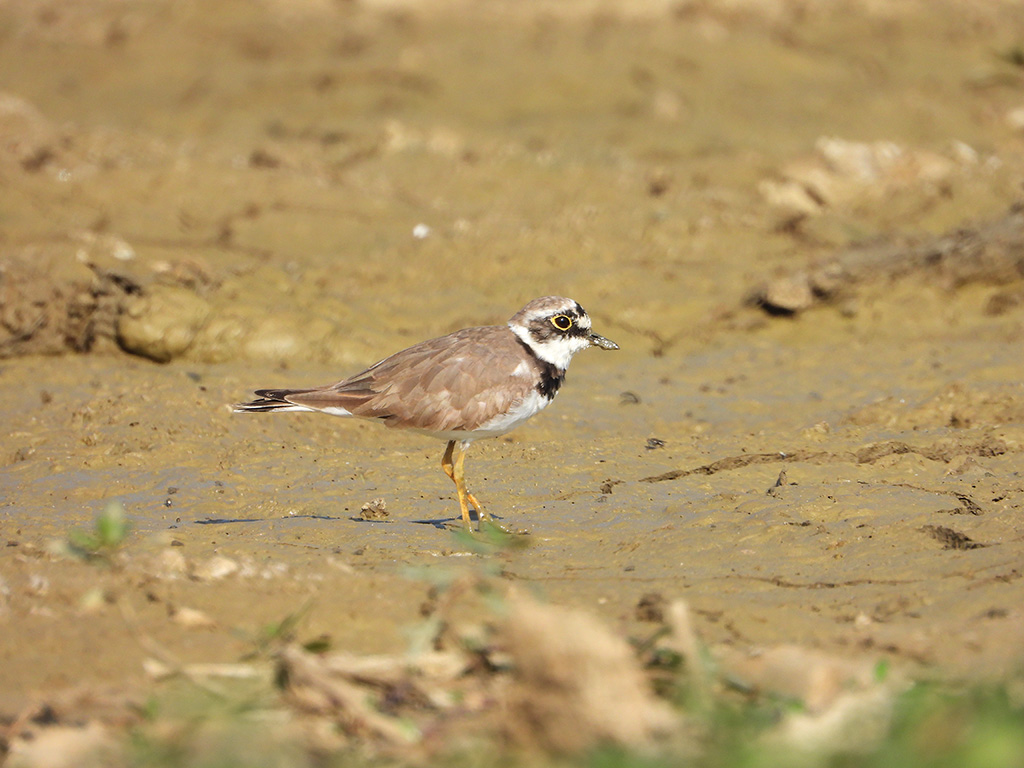
Little ringed plover
Varthur lake, Bangalore,Karnataka
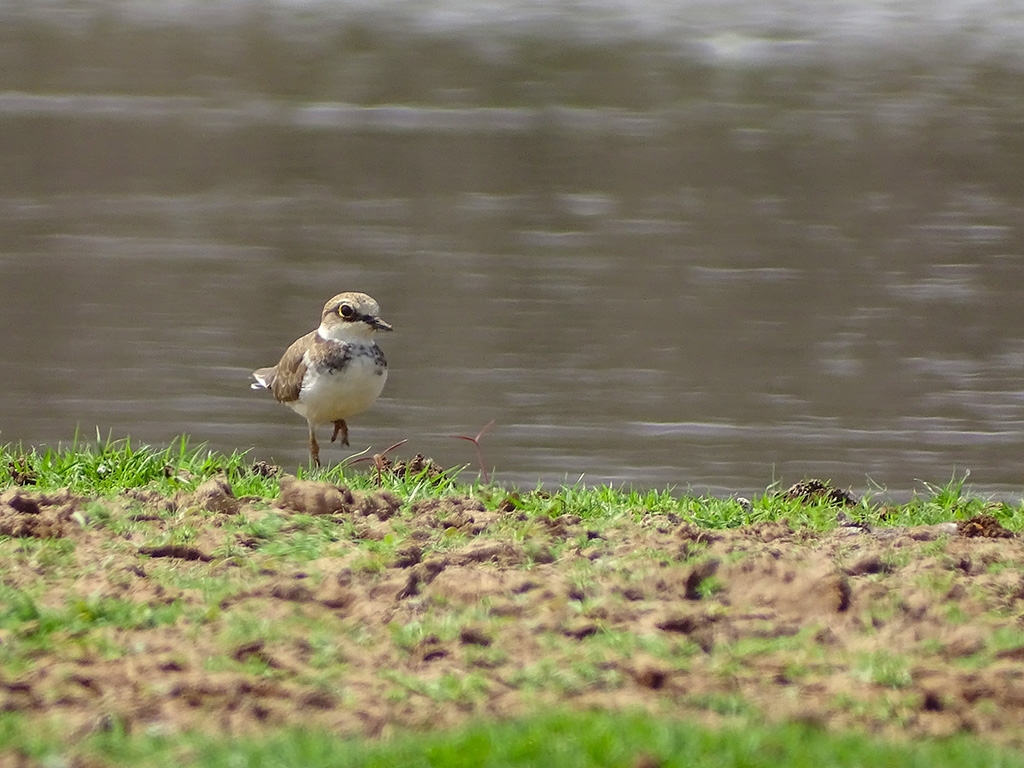
Talakere| Tumkur,Karnataka
These two individuals were found in TALAKERE, where the first one was a sub-adult roaming solitarily beside the dried lake bed. This time, it was a bit shy due to the open land. I managed to get a single picture of it before it flew away. As you can see, due to its age, the plumage is less prominent. The second one is a juvenile, and you can't see its yellow eye ring or the black feathers around it. Isn't it interesting?
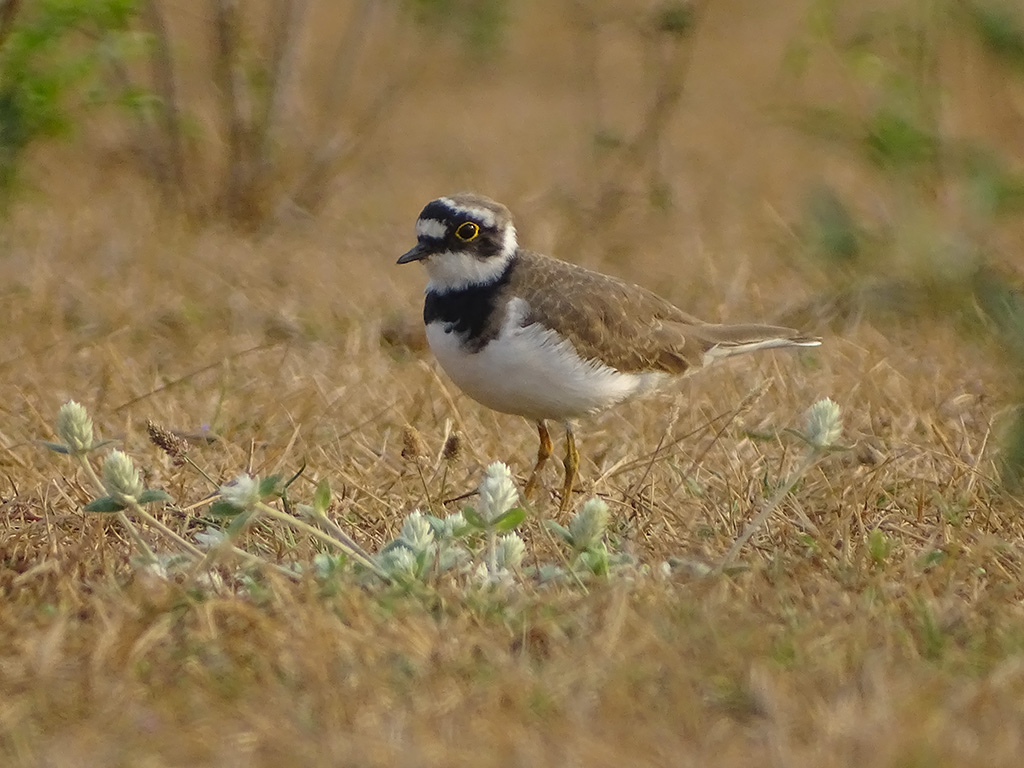
Hesaraghatta grassland,Karnataka
This beautiful little plover always catches attention due to its vibrant plumage and activity. It never stands still but keeps moving in search of food on the muddy wetland ground. I have encountered this beauty many times, as its continuous movement makes it easy to spot. It is not too shy either. In Bangalore, I found a group of little-ringed plovers in Hessarghatta foraging on the ground, and they gave me plenty of time to photograph them. An adult male has its distinctive yellow ring around its eyes and a perfect combination of black, white, and rufous-colored feathers.
Information of Little ringed plover
| IUCN (International Union for Conservation of Nature): | Least Concern |
|---|---|
| Approximate size(adult): | About 15–18 cm in length; wingspan 35–40 cm; weight around 25–45 g. Small, compact plover with brown upperparts, white underparts, a distinct black breast band, and a yellow eye-ring. Bill short and black; legs flesh-colored. |
| Resident/ Migrate from: | Both resident and migratory populations. Breeds in Europe, North Africa, and across Asia. Northern populations migrate south in winter. |
| Migrate to: | Winters in South Asia, Africa, and Southeast Asia, including India and Sri Lanka. Found near inland waterbodies and riverbanks during migration and winter. |
| Breeding season: | April to July in breeding range. The nest is a simple scrape on sand or gravel, often near water. Usually 4 eggs are laid, camouflaged to match surroundings. Both parents share incubation and care. |
| Breed in: | Prefers sandy riverbanks, gravel beds, dry mudflats, and lakeshores. Avoids dense vegetation and breeds in open areas near freshwater. |
| Habitat: | Found in riverbanks, lakeshores, reservoirs, and open wetlands with sparse vegetation. Often seen running along shores and foraging in shallow water. |
| Diet: | Feeds mainly on small insects, worms, crustaceans, and mollusks. Forages by picking prey from the ground or water surface, often using quick runs and stops. |