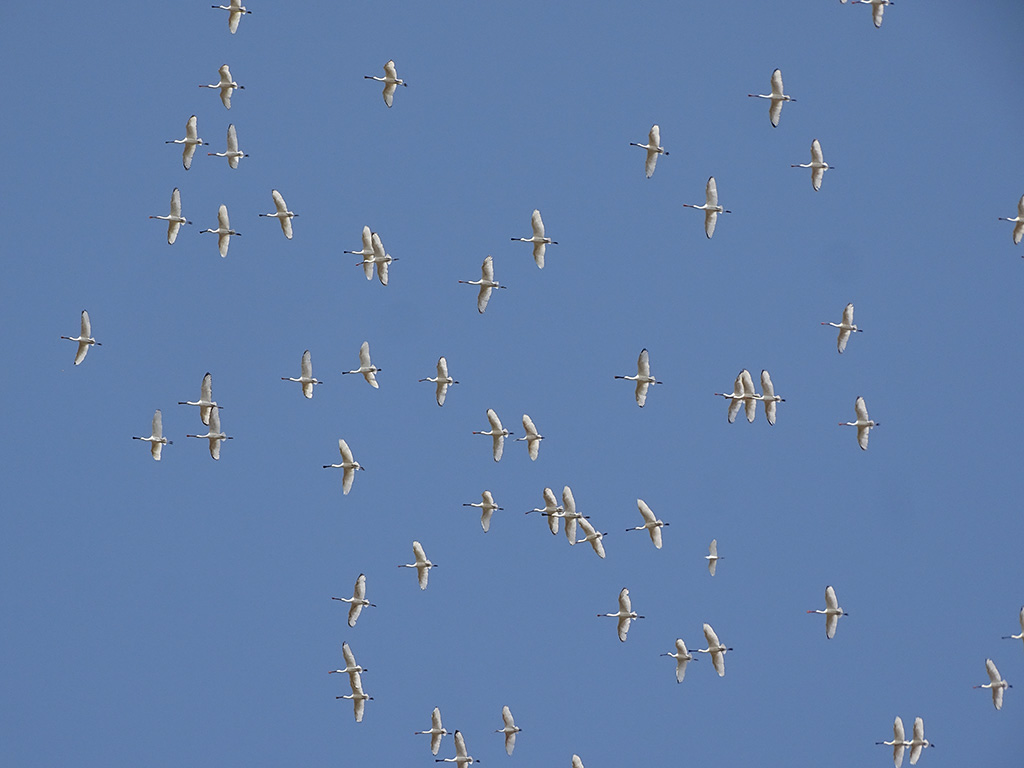
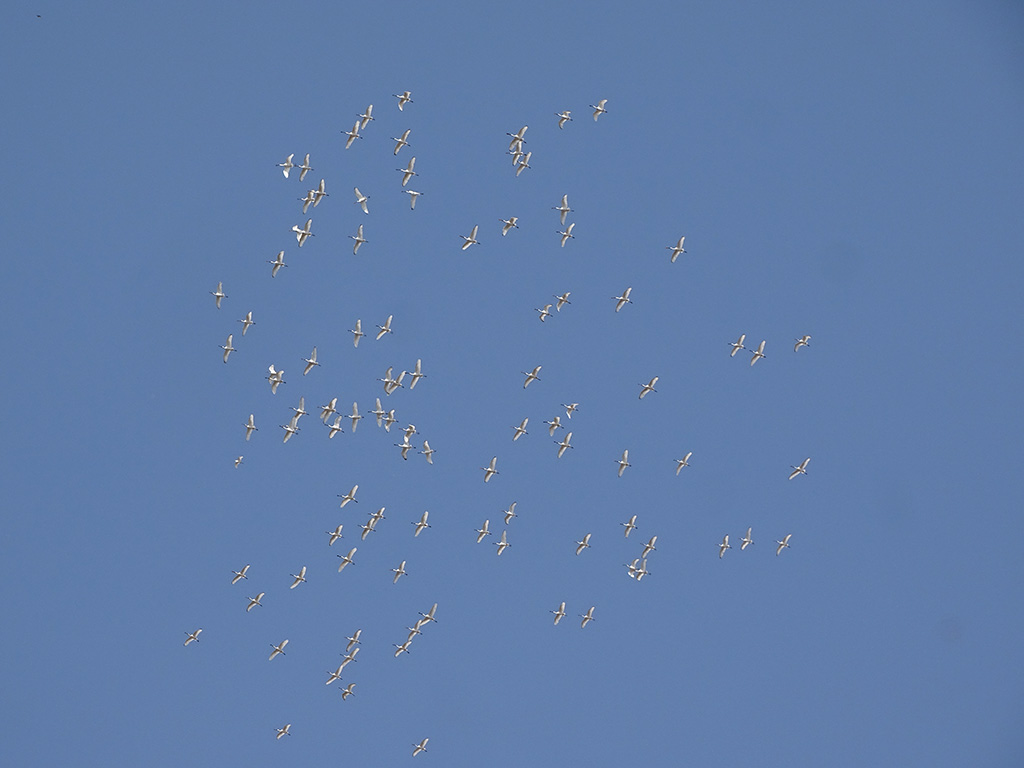
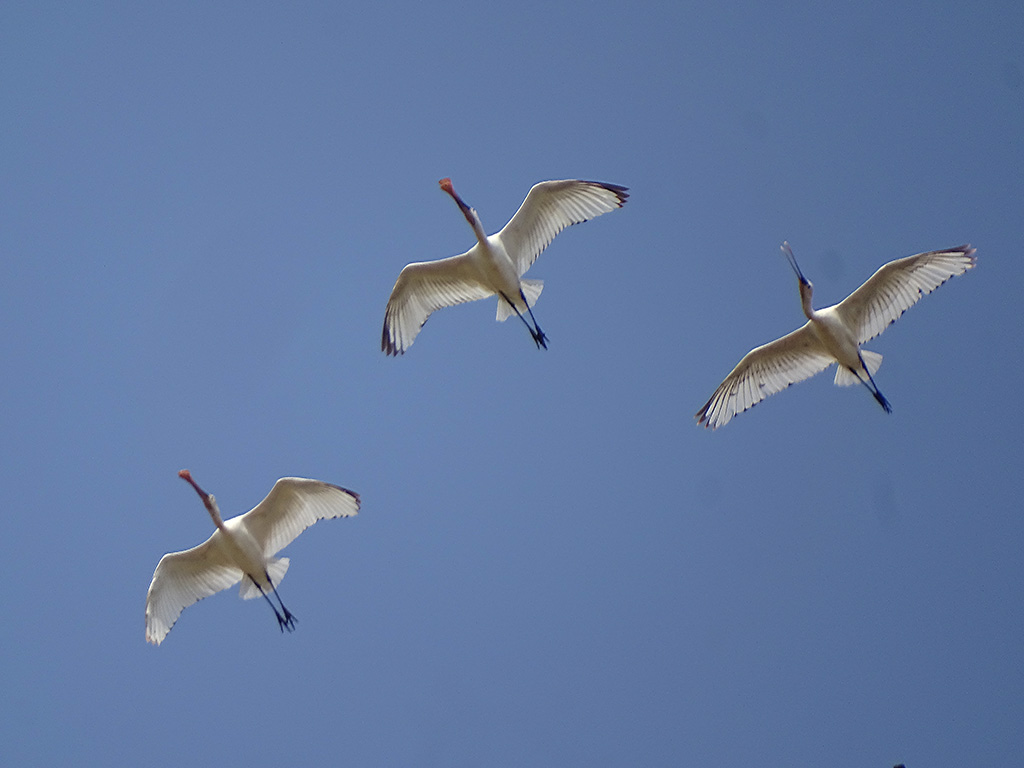
Eurasian spoonbill
Talakere| Tumkur,Karnataka
Talakere is a very underrated and uncommon lake on the outskirts of Bangalore. It is about 120 km away and is located in the Tumkur district. We went there to experience the birds' habitat right after winter, and we spotted a flock of spoonbills across the lake.
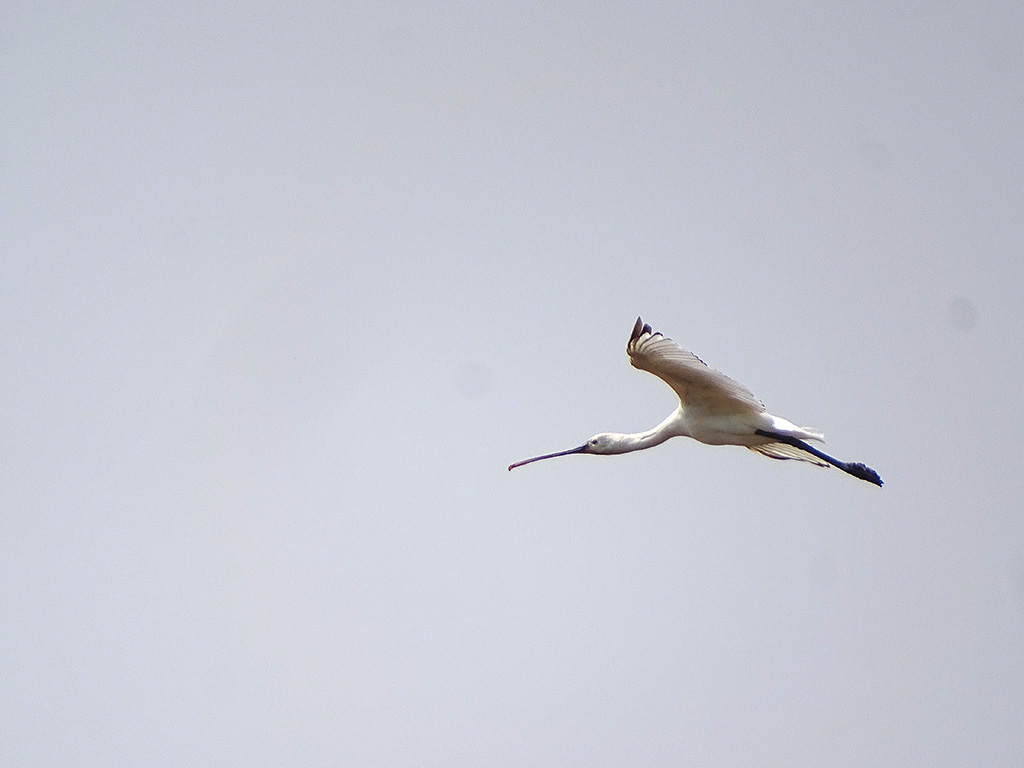

On a bright sunny day, the spoonbills by the lakebed looked absolutely stunning. They moved away with the flock after seeing us, as they are not very accustomed to humans. That’s why they choose that interior location; otherwise, we could have found them in many other places. It was around 12 o’clock in the afternoon when we left the lakebed and walked through the bund area to get a better view of the birds. They were not alone there. There were a few other major bird groups, such as Grey Herons, Painted Storks, River Terns, Medium Egrets, and several other waders.


As soon as we approached, they started flying together. Oh man, what a beautiful sight we witnessed at that moment. Under the blue sky, a flock of Spoonbills flew above us, keeping us in the middle. That’s how they move, soaring high while circling a particular area. They don’t directly reach higher altitudes. Time passed, and we could still see them up in the sky. I kept photographing the flock.
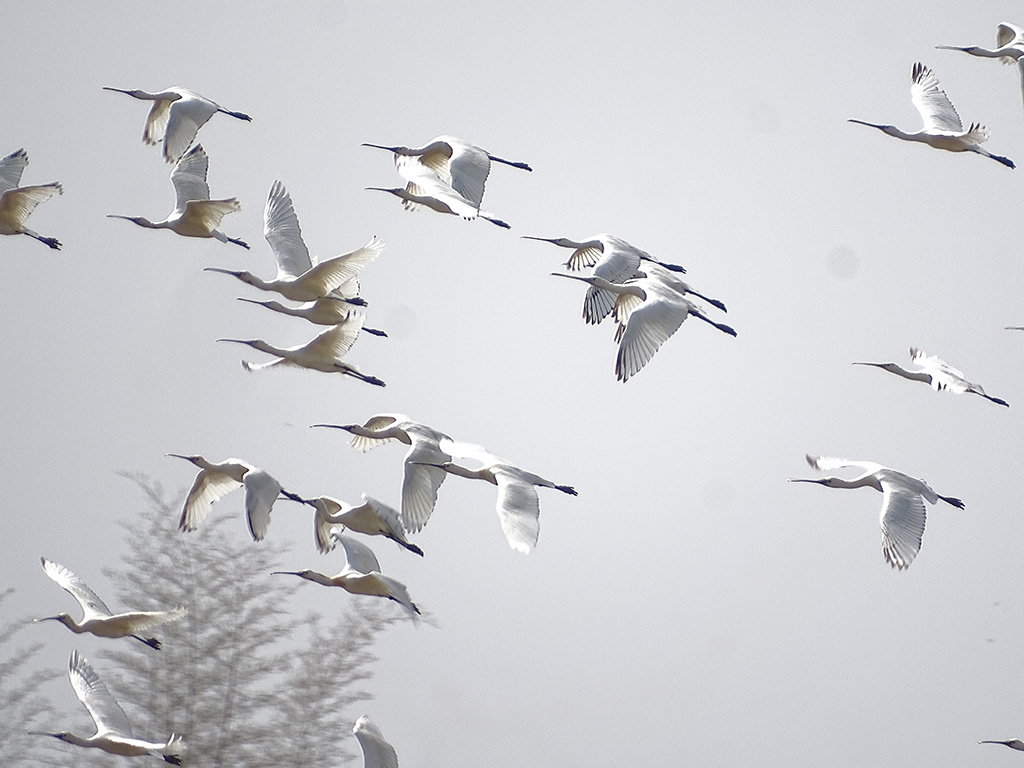
It is not that they have left the place; they will come back to the same area in about an hour or so. However, we were running out of time as we had to return to Bangalore, so we left them there. The scorching sun almost exhausted us, but we felt a sense of joy seeing this beautiful bird in such large numbers.